April 2026 witnessed a series of notable developments across the UAE’s automotive sector. The updates highlight the country’s continued focus on infrastructure upgrades, smart mobility and enhanced commuter experience. Major road projects, public transport enhancements and EV expansion remained in focus. Overall, the month reflected steady progress towards an efficient and connected mobility landscape.
UAE Auto Industry Updates From April 2026
Here is the UAE automotive sector news from April 2026, covering key developments across the country.
Dubai Announces Metro Gold Line Project Worth AED 34 Billion
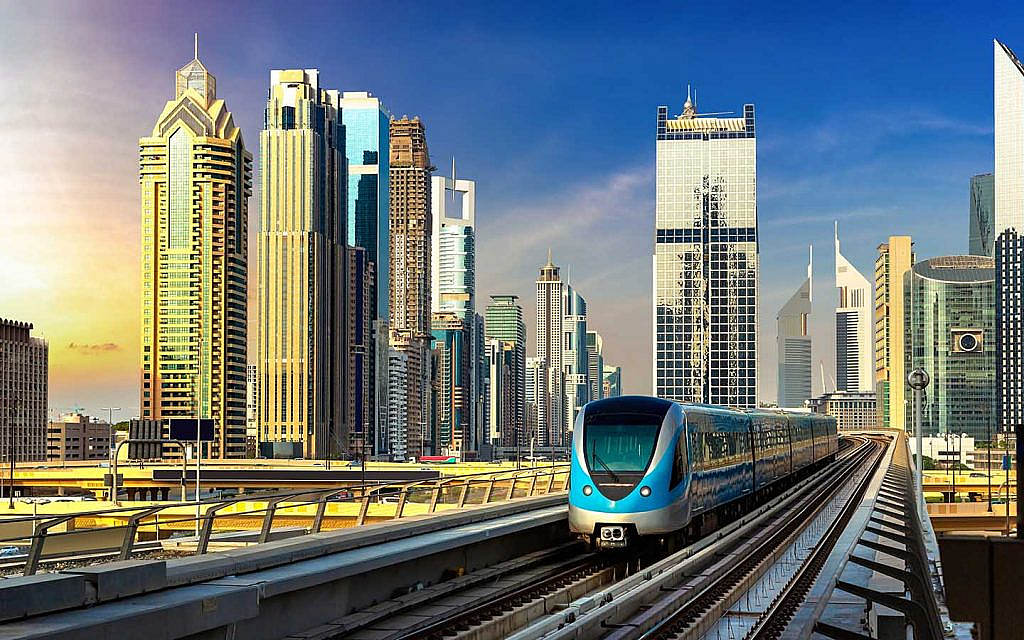
Roads and Transport Authority (RTA) announced the Dubai Metro Gold Line, a major new addition to the emirate’s public transport network. Approved by His Highness Mohammed bin Rashid Al Maktoum, the AED 34 billion project will span 42 km with 18 stations and will be Dubai’s first fully underground metro line.
The Dubai Metro Gold Line will connect key areas such as Business Bay, Meydan and Jumeirah Golf Estates. The expansion will increase the total metro network to 162 km and is expected to serve over 1.5 million residents by 2040. The project is set for completion by September 2032.
Etihad Rail Completed First Car Shipment for UAE Auto Dealership
In partnership with Al Masaood Automobiles, Etihad Rail Freight has completed its first-ever rail transport of vehicles in the UAE. The shipment moved Nissan vehicles from Eastern Coast ports to the Industrial City of Abu Dhabi.
Dubai to Install 600 EV Charging Stations Across Parks and Beaches
Dubai Municipality, in partnership with UAEV (Emarat EV Charging Stations Company), has announced the rollout of 600 EV charging points across parks, beaches and public recreational areas in the emirate.
The first phase will include 75 supercharging stations across 150 parking bays, with installations planned over the next two years in high-traffic public destinations.
Driverless Taxi Service Launched in Dubai with 50 Autonomous Vehicles
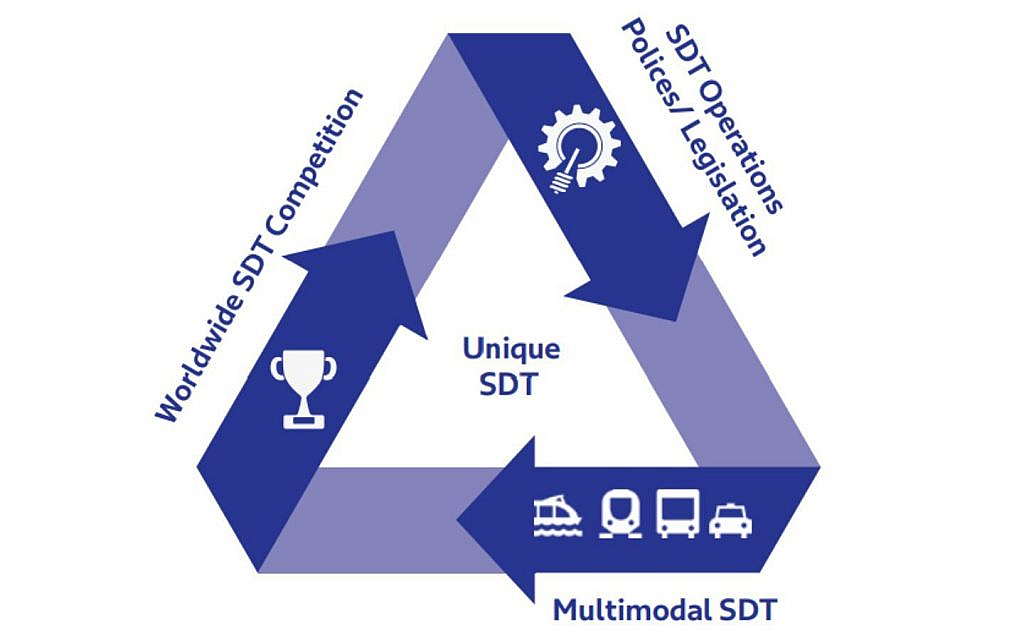
In line with the RTA’s Self-Driving Transport Vision, Dubai has launched fully driverless taxi services through a partnership between DTC and Baidu’s Apollo Go platform. The service allows residents to book rides via the Apollo Go app.
The service begins with 50 autonomous vehicles, marking Apollo Go’s first international deployment. The fleet is expected to scale to over 1,000 driverless taxis in the coming years under a phased expansion plan.

The initiative supports Dubai’s Self-Driving Transport Strategy, which aims to make 25% of all journeys in the city autonomous by 2030.
DTC Added 600 Vehicles to its Fleet
Dubai Taxi Company (DTC) has acquired 600 new taxi licence plates through an RTA auction, expanding its fleet to 6,817 vehicles and increasing its market share to 47%. The vehicle will be introduced in phases starting July 2026 to ensure operational efficiency and maintain service quality.
Dubai Police Monitoring Unit Launched to Regulate Personal Mobility by RTA
RTA and Dubai Police have introduced a joint Police Monitoring Unit to regulate the use of e-scooters and bicycles across the emirate. The unit will begin operations on 1ˢᵗ May 2026, covering cycling tracks, main roads and designated mobility zones.
The initiative focuses on improving safety by monitoring compliance with rules such as helmet usage, speed limits and riding on designated tracks. The monitoring unit will operate across key areas such as Jumeirah Beach, Business Bay and Dubai Marina.
Sensory Rooms Introduced at Dubai Bus Stations for Children with Autism
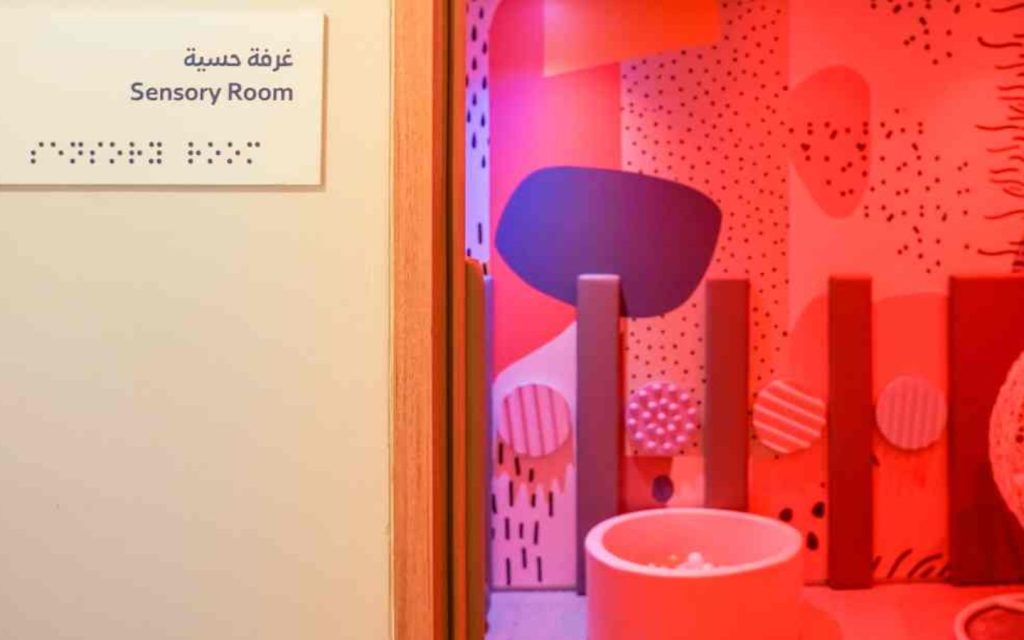
RTA has installed sensory rooms at Al Satwa and Oud Metha bus stations to support children with autism and sensory sensitivities. The rooms are designed with calming features such as soft lighting, soothing sounds and interactive elements to help reduce sensory overload and anxiety during travel.
726 New Bus Shelters Installed Across Dubai to Boost Public Transport Connectivity
Dubai’s RTA has completed the installation of 726 modern bus shelters across the city to enhance last-mile connectivity. These shelters are strategically placed in high-density areas and near metro stations, taxis and shared transport links. Designed to serve over 192 million riders annually, the shelters support multiple bus routes.
His Highness Sheikh Hamdan Reviewed Dubai’s Emergency Response Vehicle
His Highness Sheikh Hamdan Bin Mohammed Bin Rashid Al Maktoum reviewed key RTA projects focused on smart mobility, safety and sustainability. These included a rapid intervention vehicle designed to handle heavy rainfall and reduce road flooding, improving traffic flow during emergencies.
He also reviewed a 90% complete smart bus station in Al Barsha 2, featuring a fully digital, contactless design integrated with nol card and S’hail app services. The station includes AI monitoring, environmental sensors and solar-powered systems.
Dubai Unveiled Rapid Flood-Response Vehicle to Tackle Rain Emergencies
Dubai has introduced a new rapid intervention vehicle developed by the RTA to enhance emergency response during heavy rain and waterlogging.
The advanced vehicle is equipped with four high-capacity pumps delivering around 60,000 litres per minute. The vehicle can operate in water depths of up to 1.8 metres. It also features an integrated system with hydraulic pumps, rainwater suction hoses, a rescue boat, a thermal drone and backup power for uninterrupted operations.
Hessa Street Upgrade Cuts Travel Time from 15 Minutes to 4 Minutes
Dubai’s RTA has completed a major upgrade of Hessa Street. The project has doubled road capacity from 8,000 to 16,000 vehicles per hour and reduced travel time from around 15 minutes to just 4 minutes.
The 4.5 km long development included widening lanes, constructing new bridges and improving key intersections, along Sheikh Zayed Road, Al Khail Road and First Al Khail Street. These upgrades are designed to ease congestion in high-density areas such as Al Barsha and Jumeirah Village Circle.
Abu Dhabi Announced Paid Parking Zones in Musaffah and Mohamed Bin Zayed City
Abu Dhabi’s Integrated Transport Centre (ITC), through Q Mobility, has expanded its paid parking system across key high-demand areas, introducing new regulated zones in both Musaffah and Mohamed Bin Zayed City in April and May 2026, respectively.
In Musaffah, the new paid parking phase came into effect on April 20, 2026. The project features 10,010 parking spaces across sectors M7, M8, M9, M14 and M15. The system applies a tariff of AED 2 per hour, with payments enabled through Darb, TAMM, SMS services and on-site parking machines.
In Mohamed Bin Zayed City, a new paid parking phase will be introduced from May 6, 2026, across commercial sectors ME9 and ME12, covering 10,205 parking spaces.
RAKTA Launched Real-Time Passenger Information System
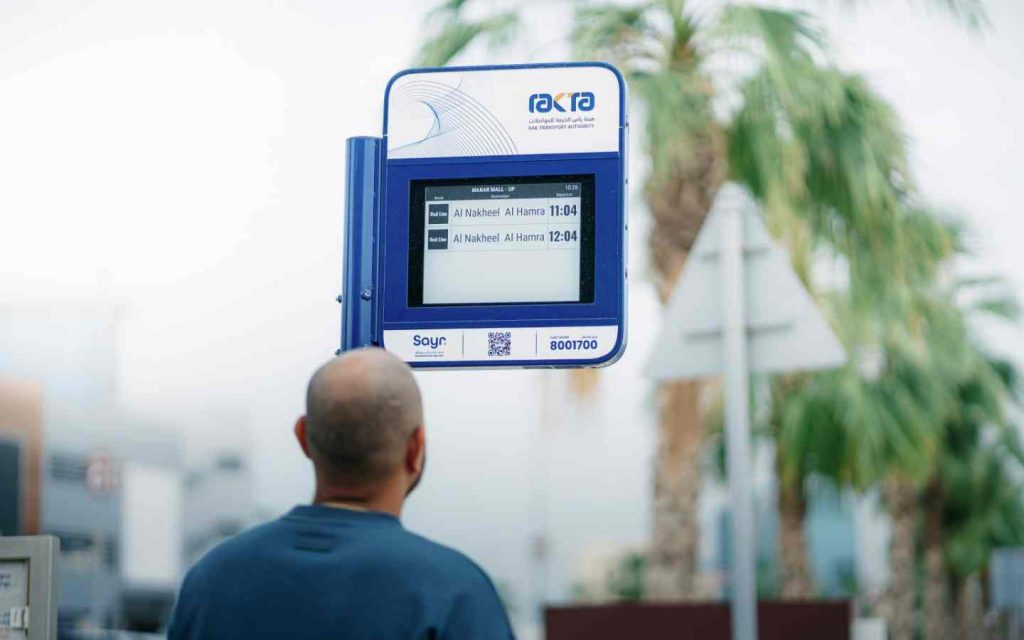
Ras Al Khaimah Transport Authority has launched a Real-Time Passenger Information (RTPI) system to improve public transport efficiency across the emirate. The first phase has been installed at Al Manar Mall bus station, providing live updates on bus arrival times and routes. Aligned with Ras Al Khaimah Vision 2030, the initiative will be rolled out in phases across more stations.
Ajman Resumed Bus Services to Dubai’s Global Village After Reopening
Ajman Transport has resumed bus services to Dubai’s Global Village after its reopening on April 20, 2026. The attraction had been closed for over 1.5 months due to regional tensions.
Three weekday buses now operate from Al Musalla Station in Ajman. The fare is AED 25 per trip, with multiple departure times throughout the day and night.
Global Village is currently in its 30ᵗʰ season, running until May 10, 2026. An extension has not yet been confirmed.
ITC to Introduce 2 New Gates to Abu Dhabi’s Darb Toll Gate System
ITC, in collaboration with Q-Mobility, has introduced two new Darb toll gates to improve traffic flow and reduce congestion across key routes. The new gates are located on Sheikh Maktoum bin Rashid Street in Ghantoot and Wahat Al Karama Street near Sheikh Zayed Street. They will begin operations on 4 May 2026 and function 24/7, with a fee of AED 4 per crossing.
Uber App to Power Taxi and Limousine Bookings in Ras Al Khaimah
RAKTA has partnered with Uber to launch smart taxi and limousine booking services in the emirate. The agreement allows residents and visitors to book rides through the Uber app, offering 24/7 access to transport services.
FAQs
How is Dubai improving public transport in 2026?
Dubai is expanding its metro and bus networks, upgrading stations and introducing smart facilities such as sensory rooms, digital bus stations and real-time mobility systems.
What is happening with EV infrastructure in the UAE during April 2026?
The UAE is rapidly expanding its EV charging network, including 600 new charging stations across Dubai’s parks and beaches to support growing electric-vehicle adoption.
Is public transport connectivity improving in the UAE?
Yes, enhancements such as new bus shelters, resumed intercity routes and upgraded marine transport stations are improving overall connectivity and commuter experience.
April 2026 brought a series of important updates across the UAE’s auto and transport sector. From infrastructure upgrades to smart mobility projects, the month reflected steady progress towards a more advanced transport ecosystem.
Alongside improvements in public transport and EV infrastructure, the introduction of driverless taxis and digital mobility solutions highlighted the growing role of technology in shaping everyday travel across the country. These developments also continue to influence the demand and supply trends for new and used cars in the UAE market.
Stay tuned to the dubizzle’s auto blog to know more about automotive developments in the UAE.
Related Posts