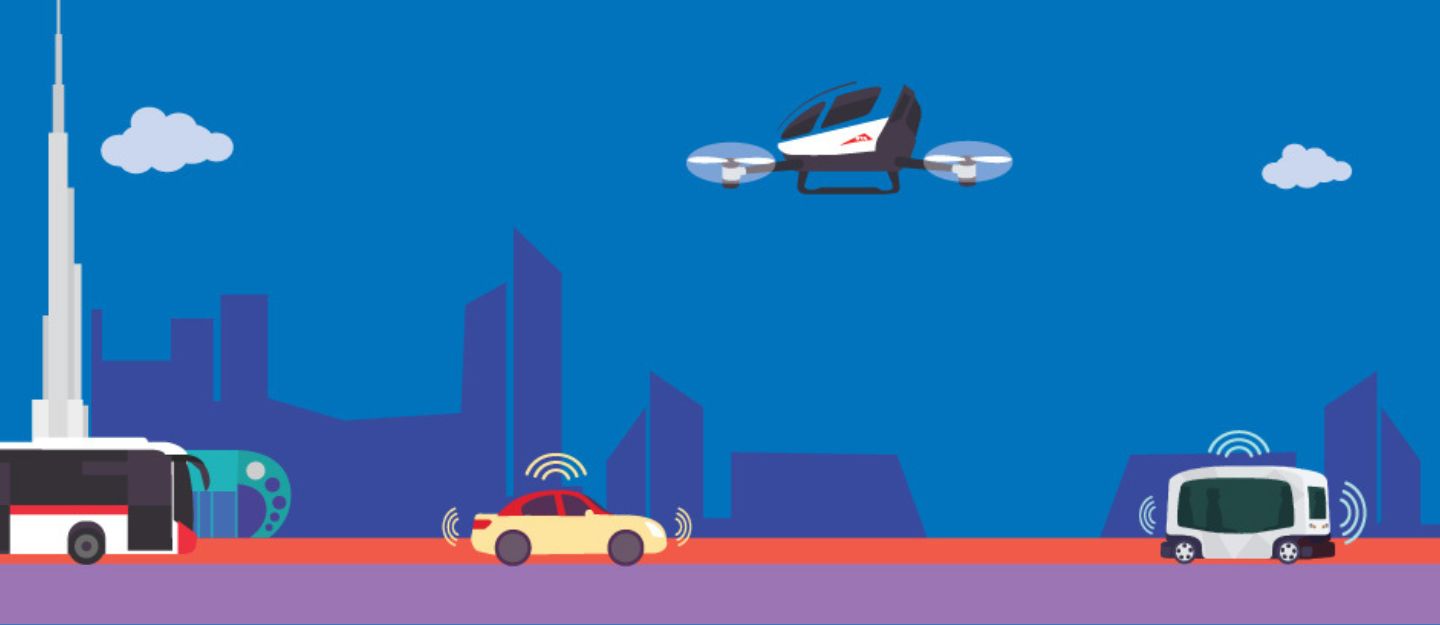
Dubai’s Roads and Transport Authority (RTA) is steering the city toward an autonomous future, aiming for 25% of all trips to be driverless and smart by 2030. To achieve this goal, RTA has prepared a comprehensive Self-driving Transport (SDT) Plan. This strategy focuses on integrating smart systems into Dubai’s transport network. It uses AI, advanced sensors and real-time data to improve road safety, reduce travel time and cut emissions. New laws and operational models are also being implemented to ensure safe and efficient autonomous mobility. These efforts position Dubai as a global leader in smart transportation.
Let’s explore some of the RTA’s strategies, legislation and goals for SDT in Dubai.
Dubai’s Self-driving Transport (SDT) Strategy
The RTA Dubai SDT strategy aims to build a complete self-driving transport system, with a strong focus on public transport. It supports the Dubai Smart City and Smart Life goals by improving first-mile and last-mile connections across the city.
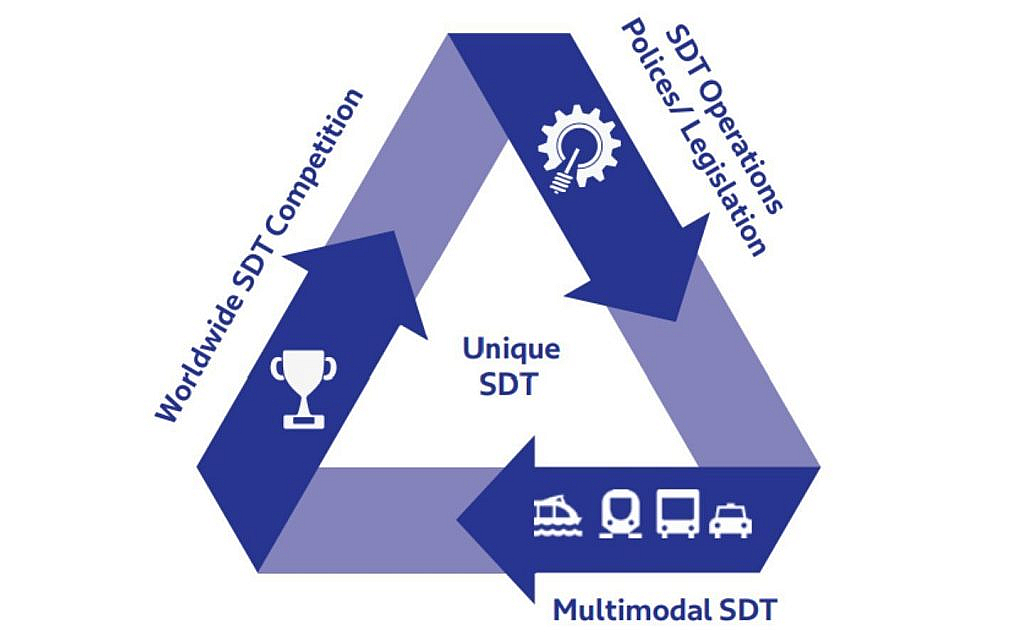
To increase SDT trips by 25%, RTA is planning to develop multiple systems and attract more users towards the Dubai Metro and other public transportation. The unified system is a key strength of the strategy. It allows for quicker decisions, better coordination and faster adoption of self-driving technology compared to cities where transport is managed by multiple agencies. Overall, the SDT strategy will be focused on three key areas:

- Worldwide SDT Competition
- Multimodel SDT
- SDT Operational Policies and Legislation
The ultimate goal is to increase the share of self-driving trips from the current 9% to 25%, as part of the RTA 2030 SDT.
SDT Operations, Policies and Legislation in Dubai

The RTA holds complete operational control of the SDT, including setting rules for vehicle performance, safety and road behaviour. Moreover, RTA will also work on different financial models and legislations to ensure revenue-based operation of self-driving vehicles. The current capital incentive projects of the authority include public transport, robo-taxis and other infrastructure projects.
Aside from public transportation, partnerships with the private sector and efforts of individual automobile brands are also appreciated. It is estimated that the inclusion of private SDTs will add to the 25% SDT goal.
Here are the details of the different transportation models included in the RTA SDT strategy and their roles.
| Transportation System | Role |
| Legislation | • Testing• Operations |
| Driver Behaviour & Acceptance | • Driver behaviour in Level 2-3 vehicles • Driver acceptance of SDT |
| Driver & Vehicle Licensing/Registration | • SDT driver licensing • SD vehicle testing, registration, renewal |
| Insurance/Liability | • Crash liability of self-driving vehicles • Insurance requirements |
| Infrastructure Requirements | • Infrastructure improvements for SDT • Crowdsourcing and analytics |
| Cyber Security/Data Privacy | • Self-driving vehicle security • On-board data recording and retrieval |
| Connected Vehicle Enablers | • Communication (V2I, V2V,V2X) • Connected cloud |
| HD Mapping | • Accurate HD mapping • Over-the-air update |
Goals for SDT in Dubai

The key goals of the SDT Dubai strategy are as follows:
- Setting up dedicated zones to test and operate SDT safely
- Launching pilot projects to try new vehicle types and services
- Working with tech companies to bring in advanced tools like HD mapping and connected vehicle systems
- Updating laws regularly to support new SDT features
- Encouraging local talent to build skills for SDT jobs in the future
All these efforts are part of Dubai’s autonomous transport strategy and support the city’s goal of making one in every four trips driverless by 2030.
FAQs
Who is operating Dubai’s driverless taxis?
Dubai’s driverless taxis are operated by Baidu’s Apollo Go, Uber and WeRide. The RTA has partnered with these global leaders to launch the Dubai driverless taxis initiative.
What are RTA robotic transport vehicles?
RTA robotic transport vehicles are self-driving cars and delivery robots. They operate without human monitoring to improve transport efficiency and safety in Dubai.
What is the RTA’s long-term goal with autonomous transport?
The RTA aims to achieve 25% driverless trips in Dubai by 2030. This supports the city’s vision to become the smartest globally through its RTA AI mobility goals and the Dubai autonomous transport project.
The RTA self-driving transport plan is more than just a vision, it is a detailed roadmap that supports Dubai’s shift towards safer, smarter and cleaner mobility. By combining advanced technology with clear regulations and strong partnerships, Dubai is building a comprehensive SDT system that will help the public and private sectors.
Owing to this partnership, public transport and private car options will contribute to the total self-driving vehicles in the emirate. On the other hand, if you are interested in other vehicles browse through these new cars for sale in Dubai and choose one that fits your needs.
Stay tuned to the dubizzle auto blog for more updates on smart mobility solutions.
Cover Image Credit: RTA Official Website
Related Posts