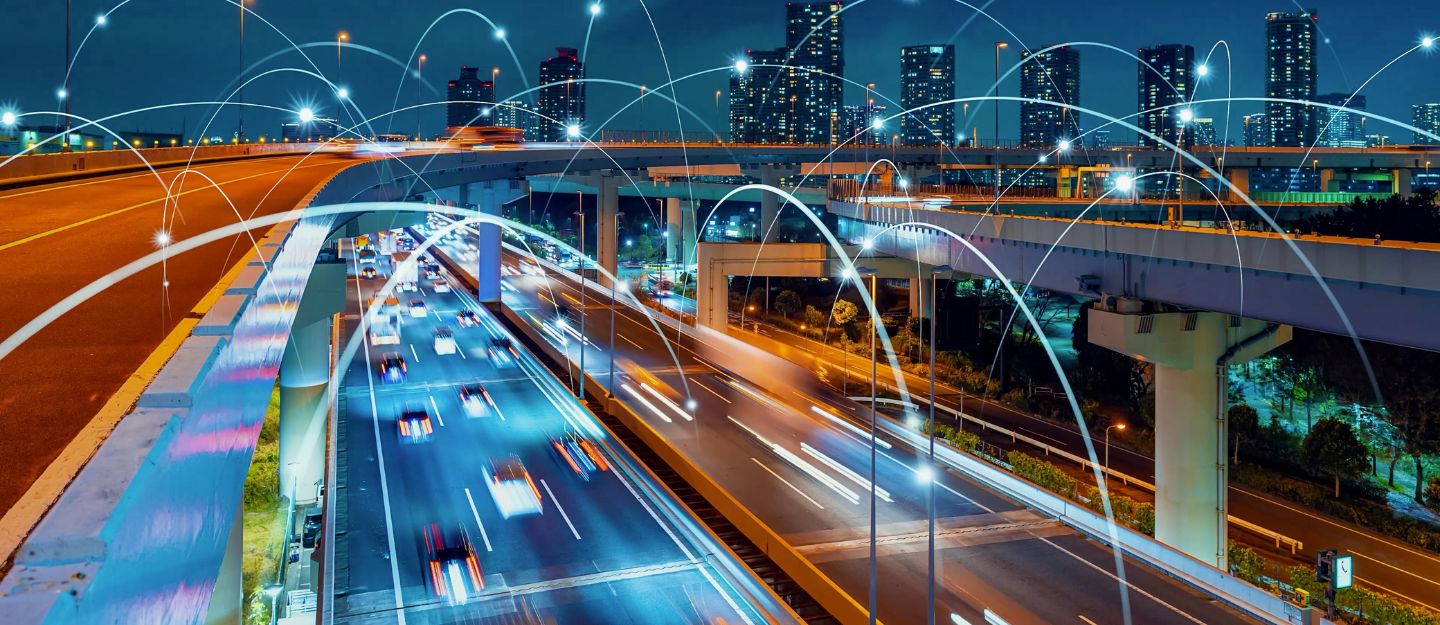
Dubai’s Roads and Transport Authority (RTA) has unveiled its Artificial Intelligence Strategy 2030 at Dubai AI Week 2025. The strategy marks a landmark achievement for RTA toward its vision of AI-driven mobility. The AI strategy outlines 81 projects and initiatives across six strategic pillars, all aimed at improving the quality of life in Dubai. Aligned with the UAE Artificial Intelligence Strategy 2031, the 2030 roadmap for AI will help in boosting operational efficiency, accelerating innovation and enhancing customer happiness.
Let’s dissect the RTA AI Strategy 2030 and elaborate on what it means for the future of mobility in Dubai.
RTA’s Artificial Intelligence 2030 Strategy
RTA’s 2030 AI Strategy is set to position the authority as a global model for AI-driven and smart mobility. The strategy is based on six strategic pillars: seamless and innovative mobility, intelligent traffic management, cognitive licensing, people happiness, future-proof organisation and asset excellence.
Supported by Dubai’s Digital Strategy 2030, the RTA’s 2030 Strategy will help create a connected AI ecosystem. This ecosystem is expected to drive transformation across RTA’s services, products and operations through artificial intelligence.
Key Objectives of the RTA AI Strategy 2030
The AI Strategy by RTA is designed to yield a range of measurable outcomes. Here are its core objectives;
- The traffic management and intelligent pedestrian mobility solutions will be implemented to reduce travel time in Dubai by 20% to 30%.
- The AI-powered platforms will support asset management, predictive maintenance and driver assessment, reducing the cost by 10% to 20%.
- It is aimed to increase customer happiness by 37% and partner compliance by 30% to 50%.
- Employees will be equipped with AI-driven tools, increasing productivity by 25% to 40%.

AI Use Cases in Dubai’s Transport Sector
The AI-driven initiatives of RTA are already visible across Dubai’s transport ecosystem, improving both public and private mobility. The ‘Big Data Platform’, RTA’s own data ecosystem, plays a pivotal role in this improvement.

The Big Data Platform streamlines data exchange across RTA’s ecosystem, integrating 49 corporate systems and more than 280 data points. Additionally, Big Data has a total capacity of 670 terabytes (235 billion pages) and an annual growth rate of 30%.
Since 2017, RTA has implemented over 40 big data and AI use cases, with the Big Data Platform directly supporting more than 12 of them. The AI use cases include;
- Integration of generative AI into the chatbot of ‘Mahboub’
- Predictive maintenance of Dubai buses
- Forecasting parking space occupancy
- Sentiment analysis of passenger feedback
Currently, 45 AI use cases are under consideration, including optimisation of water and electricity consumption in the Dubai Metro and enhancement of the public bus network.
How RTA’s AI Strategy Will Shape Dubai’s Automotive Future
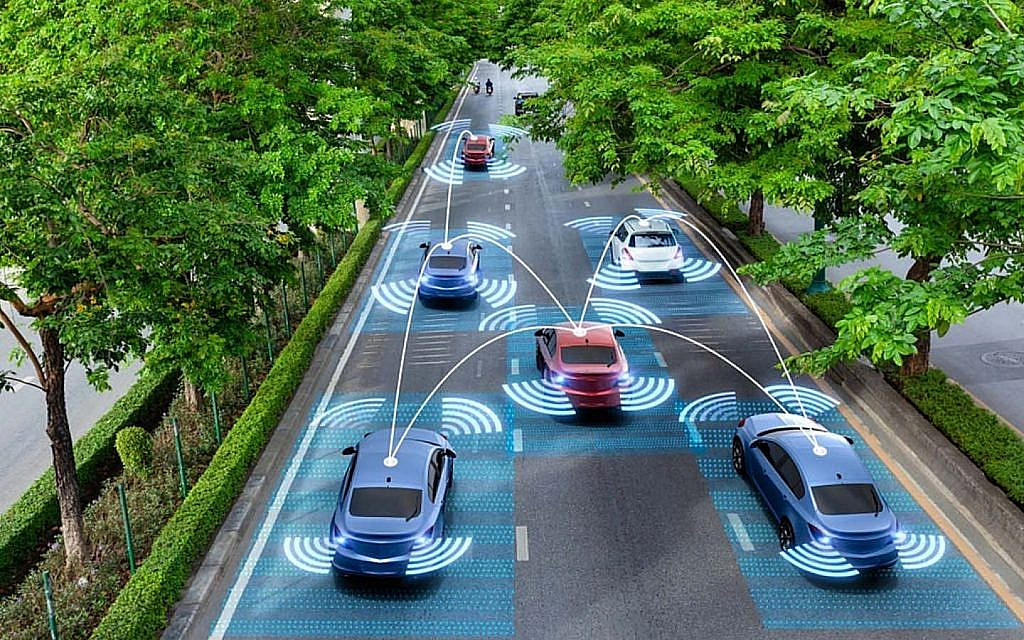
Dubai is rapidly advancing toward an AI-driven future and the transportation sector is at the forefront of this shift. With the launch of the AI Strategy and related initiatives, the way cars are owned, driven, serviced and regulated is set to undergo a major transformation.
Listed below are some key impacts of RTA’s AI Strategy 2030 on the automotive sector.
Smarter Licensing Process
Under the pillar of cognitive licensing, AI will be embedded to make driving licence issuance and regulatory procedures smarter.
Along with improving the procedure, it will also simplify the license renewal and vehicle registration services.
Predictive Maintenance & Smart Workshops
The predictive maintenance has been used by RTA for public buses, and will further expand after the strategy implementation.
The model can be implemented in workshops in the future, supporting a shift toward data-informed vehicle servicing. Alongside saving drivers from untimely car breakdowns, but also reduces the operational cost by 10% to 20%. Moreover, it will also make fleet management easy, particularly for rental, leasing and logistics firms.
Efficient Traffic Management
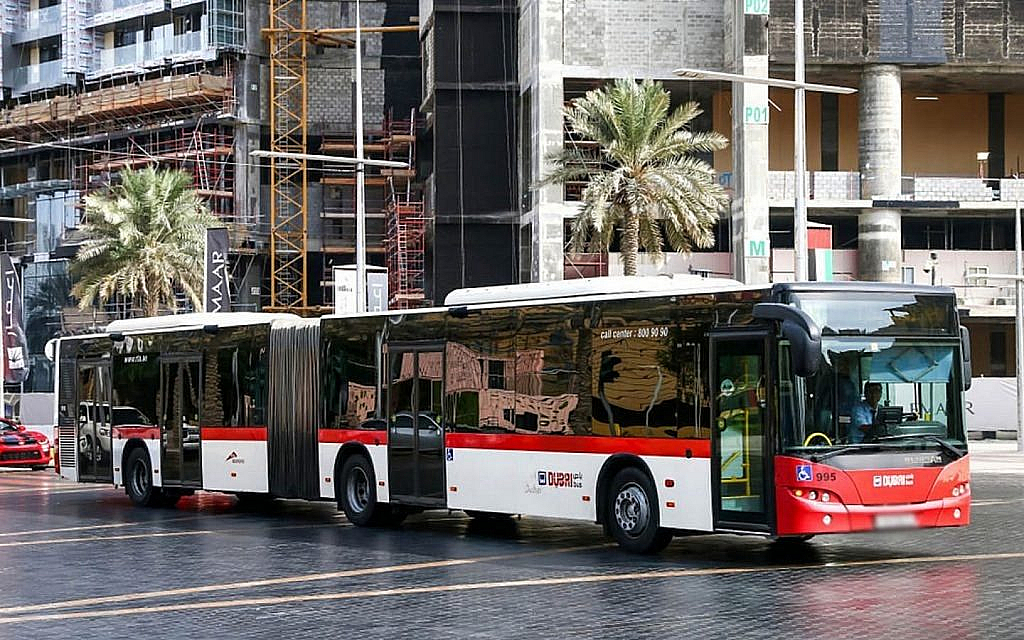
The inclusion of AI in the traffic management system will improve traffic congestion problems, reducing travel time by 20% to 30%. With a dip in traffic congestion, the overall vehicle maintenance cost and long-term ownership cost will also reduce.
Intelligent Parking Predictions
Prediction of empty parking spaces in high-traffic areas will allow drivers to find a space conveniently.
Sustainable Transportation
RTA’s AI Strategy 2030 brings Dubai a step closer to achieving its sustainable transportation goals. After the AI inclusion, policy support for electric and hybrid cars is likely to grow, enabling integration of vehicles in the smart city infrastructure.
RTA’s Recognition in AI and Innovation
As a leader in AI-powered mobility and smart transport, RTA has consistently been recognised for its innovative approach in the field. The Authority has earned multiple awards and achievements from both local and international organisations for its contributions.
Here are some key achievements and awards of RTA in AI.
- Recognised as a pioneering government entity in the Artificial Intelligence and Data Science category at the 2024 Dubai Government Excellence Programme.
- Named the Leading Entity in Data under the Large Entity, Data First – City Data Challenge 2019.
- Acknowledged by the UAE Ministry of Artificial Intelligence for operating the largest Big Data and AI platform among local government entities.
- Recognised by IBM for operating the region’s largest enterprise-level chatbot system, powered by generative AI to enhance digital customer service.
- Received a Certificate of Appreciation from SAS UAE for its innovation in AI-driven transportation.
FAQs
Are there any AI-related initiatives in other Emirates?
Yes, multiple AI-related initiatives have been taken in other Emirates. For instance, Sharjah Municipality has launched an AI-powered car parking system that helps streamline the parking process, especially during peak hours.
How will AI improve public transport in Dubai?
AI will improve public transport in Dubai by optimising bus routes, predicting maintenance needs to reduce breakdowns, and enhancing passenger experience through real-time feedback analysis.
When will RTA fully implement its AI strategy?
RTA’s AI Strategy 2030 will be implemented gradually between 2025 and 2030.
This is the complete overview of the RTA AI Strategy 2030 that is all set to shape the future of transportation in Dubai. With multiple AI-driven initiatives, the automotive ecosystem is set to become smarter, faster and more efficient. The ecosystem will integrate modern, connected vehicles that align with smart and data-driven services. Implementation of AI-driven strategies makes it the ideal time to explore new cars for sale in Dubai, built to cater to the city’s evolving transport systems.
Stay in touch with dubizzle’s auto blog to learn more about the future of the automotive industry.
Related Posts