
As the UAE accelerates its transition towards a sustainable future, hybrid cars have become the preferred choice for drivers seeking fuel efficiency without compromising on performance or convenience. By combining electric and petrol power, these vehicles help reduce emissions, lower fuel consumption and support the UAE’s long-term green mobility goals.
A Brief History of Hybrid Cars

Although the idea of combining an electric motor with a petrol engine dates back over a century, hybrid technology entered the mainstream in the late 1990s when the Toyota Prius made its debut. The car’s success encouraged brands like Honda, Lexus, Hyundai and Kia to develop their own hybrid lineups.
Around the mid-2010s, bodies such as the Dubai Supreme Council of Energy introduced directives to increase the procurement of electric and hybrid vehicles in public fleets — for instance, setting targets to reach 10 % by 2030 in the UAE.
In recent years, the UAE government endorsed ambitious long-term goals, including the objective for electric and hybrid vehicles to account for up to 50 % of all vehicles by 2050.
How Hybrid Cars Work
Hybrid cars combine an internal combustion engine with an electric motor and battery pack. These power sources interact dynamically to optimise fuel consumption and emissions depending on driving conditions.
- Hybrid controller: Manages the smooth switching of power between the electric motor and the petrol engine.
- Electric motor: Powers the car at low speeds or during idling, helping reduce fuel consumption.
- Internal combustion engine: Kicks in at higher speeds or when more power is needed, ensuring consistent performance.
- Battery and regenerative braking: The battery stores energy that’s replenished mainly through regenerative braking, where kinetic energy from braking is converted back into electric energy.
Importantly, most hybrids are ‘self-charging’ because the battery recharges during driving, unlike full electric vehicles that require plugging in. During city driving, hybrids can operate on electric power for short distances, lowering emissions and fuel use. On highways, the combustion engine predominates for efficiency.
Different Types of Hybrid Cars
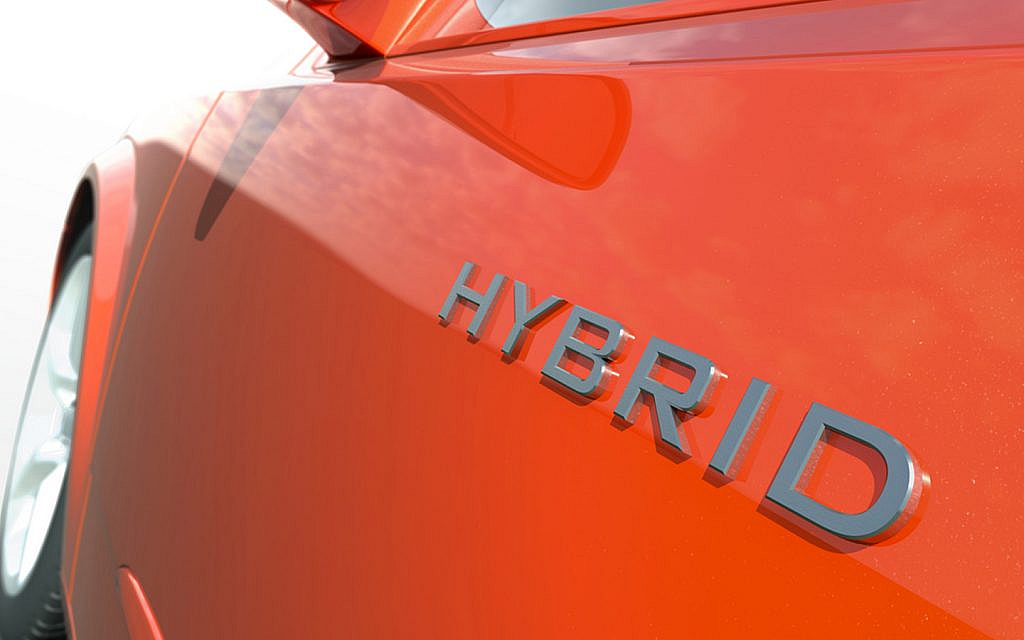
Hybrid cars come in different configurations, each designed to suit specific driving habits and budgets. The main types include mild, full, plug-in and range-extender hybrids.
Mild Hybrid (MHEV)
A mild hybrid uses a small electric motor to assist the engine during acceleration. It cannot run on electric power alone, but improves fuel economy and provides smoother start-stop operation.
Full Hybrid (HEV)
A full hybrid features a larger battery and a hybrid car motor that allows limited electric-only driving. The system automatically switches between petrol and electric power based on speed and load.
Plug-in Hybrid (PHEV)
Plug-in hybrids come with a much larger battery that can be charged via an external power outlet or home charger. They can drive longer distances (up to 60–80 km) in pure electric mode before switching to petrol power.
Range-Extender Hybrid
A range-extender hybrid primarily runs on electric power. A small petrol engine is used only to recharge the battery when needed. This design offers smooth performance and greater efficiency. These are relatively less common in the UAE market.
Incentives for Owning a Hybrid Car in the UAE

The UAE government has introduced a robust package of initiatives to encourage the adoption of hybrid and electric vehicles (EVs), directly supporting national sustainability goals like the UAE Net Zero by 2050 Strategic Initiative. These hybrid car benefits are designed to make eco-friendly cars a financially attractive and practical choice for residents.
Here is a breakdown of the key benefits available to hybrid car owners in the UAE:
Reduced Registration and Renewal Fees
This is one of the most direct financial incentives.
- Dubai (RTA): The Road and Transport Authority offers a standard 50% discount on annual vehicle registration and renewal fees for hybrid vehicles. They have also periodically waived the one-time fee for the Salik tag.
- Abu Dhabi (ITC): The Integrated Transport Centre has frequently run campaigns offering 100% exemption from registration and renewal fees for hybrids and EVs. It’s important to check the ITC website for the current campaign status.
Green Auto Loans and Financing
Many UAE banks and financial institutions, including Emirates NBD, offer green auto loans to encourage the purchase of environmentally friendly vehicles. These financing options often come with reduced interest rates, longer repayment terms or lower processing fees.
FAQs
What are the best hybrid cars in the UAE?
As per dubizzle search trends, some of the top hybrid cars in the UAE include Toyota Camry, Toyota Corolla, Toyota RAV 4, Lexus ES-Series and Toyota Highlander.
How long does a hybrid car battery last in the UAE?
In UAE driving conditions, hybrid vehicle batteries typically last around 8–10 years or about 150,000–200,000 km, though lifespan can vary.
How do hybrid cars compare with petrol and full-electric cars in the UAE market?
In the UAE, hybrids strike a strong balance, offering the fuel savings and incentives of an electric car without the range anxiety. Petrol cars are cheapest upfront but most expensive to run. Full-electric cars have the lowest running costs and best incentives, but require access to charging and planning for long trips. For a detailed comparison, see our full guide on hybrid vs electric vs petrol cars in the UAE.
There you have it — a complete overview of hybrid vehicles in the UAE, from how they work and their different types to the benefits, challenges and available incentives. As the nation continues to drive towards sustainable transport, hybrids offer the perfect balance between fuel efficiency and everyday convenience.
Thinking about making the switch? Explore a wide range of hybrid cars for sale in the UAE on dubizzle and find the model that fits your lifestyle and budget.
Stay tuned to the UAE’s leading auto blog for the latest updates on hybrid technology and green mobility trends.
Related Posts