The global automotive landscape is undergoing a major change. For over a century, the petrol-powered internal combustion engine reigned supreme. But today’s car buyer faces a complex choice: stick with conventional vehicles, opt for a fully electric vehicle (EV) or select a hybrid that blends both technologies. Each option offers distinct advantages and disadvantages regarding cost, performance, environmental impact and convenience. The right choice between electric vs hybrid vs petrol cars comes down to the buyer’s preference.
Differences Among Electric, Hybrid and Petrol Cars
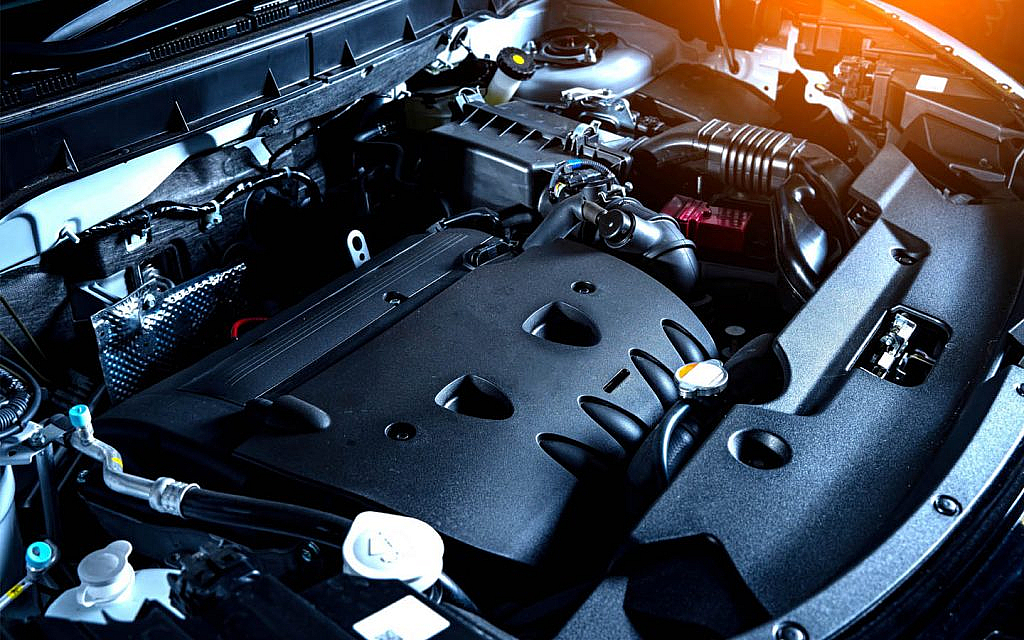
A complete breakdown of the major differences between hybrid, electric and petrol cars:
Working
There is a major difference in the working principles of electric, petrol and hybrid cars. Let’s take a look at how each of them generates power.
Electric Cars
All-electric vehicles function on a much simpler and cleaner principle. They are powered by a large, rechargeable lithium-ion battery pack that plugs into an external power source. When the car is driven, this battery supplies Direct Current (DC) electricity to an inverter. The inverter converts this into Alternating Current (AC) to run the electric motor.
This AC power generates a rotating magnetic field inside the motor, causing it to spin and deliver power directly to the wheels through a simple transmission. The entire process is nearly silent and provides instant acceleration while producing zero tailpipe emissions.
Hybrid Cars

Hybrid cars in the UAE combine petrol and electric technologies by incorporating an internal combustion engine and an electric motor. A computer system intelligently manages these two power sources, switching between them or using them together to maximise fuel efficiency.
When more power is required for acceleration or highway driving, the petrol engine engages to assist or take over. The battery in a standard hybrid does not need to be plugged in; it recharges itself through regenerative braking, which captures and converts the energy lost during slowing down and braking.
Petrol Cars
A petrol car operates using an internal combustion engine, a system refined for over a century. The process begins when petrol from the fuel tank is mixed with air and drawn into a cylinder. Inside the cylinder, a piston compresses this mixture and a spark plug ignites it, causing a small, controlled explosion.
This explosion forces the piston down, which rotates the crankshaft. This cycle repeats thousands of times per minute across multiple cylinders. The crankshaft’s rotational energy is then transmitted to the wheels, converting the chemical energy stored in the petrol into the mechanical force that propels the car.
Buying Cost
The cost of buying a car depends on many factors, including the type of vehicle, its features and market demand. Each category comes with its own financial considerations.
Electric
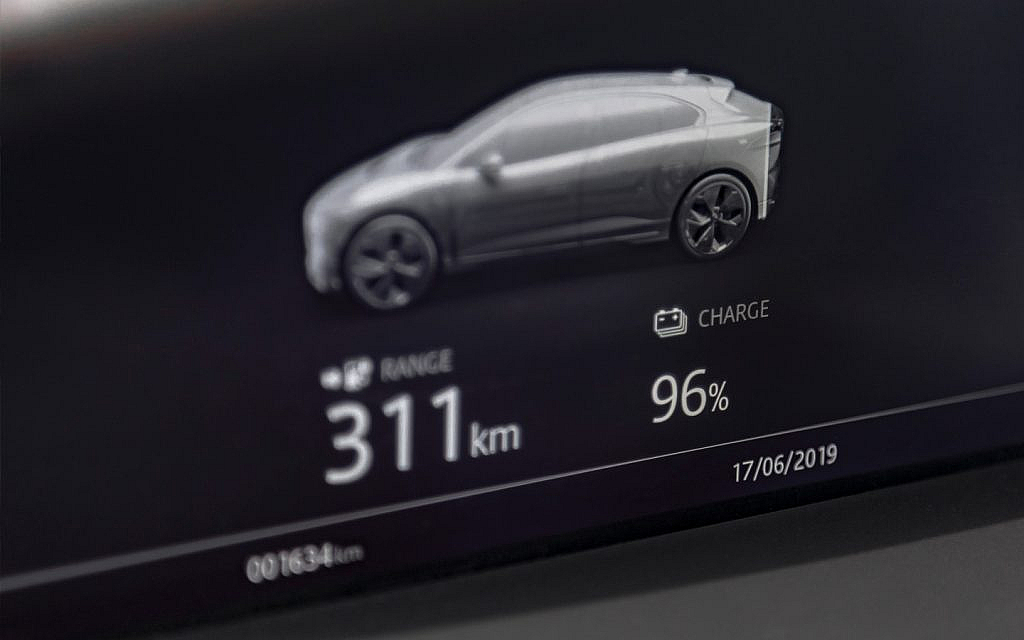
Electric vehicles are becoming more popular as the market shifts towards sustainable transport. dubizzle’s EV market report of 2024 highlights that the demand for these vehicles is continuing to rise in the UAE. The initial cost of an electric vehicle is often higher than that of conventional cars due to advanced battery technology and specialised components.

However, this higher cost is balanced because EVs are highly energy-efficient and can lead to savings over time. Buyers also consider the availability of public charging stations in the UAE and government support when assessing overall ownership value.
Hybrid
Hybrid cars for sale in the UAE combine features of both petrol and electric vehicles, making their buying cost falls between the two categories. They require advanced technology, such as dual powertrains, which increases their initial cost compared to petrol cars.
However, hybrids are designed to deliver fuel efficiency while offering flexibility to switch between petrol and electric power. This balance attracts buyers who want lower running costs without relying fully on charging networks.
Petrol
Petrol cars generally have the lowest initial buying cost compared to electric and hybrid models. They are widely available in different sizes, specifications and brands, giving buyers various options that fit their budget.
The lower upfront expense makes petrol cars appealing to first-time buyers or those looking for a simple and reliable vehicle. However, long-term fuel consumption and maintenance costs may outweigh the initial savings.
Carbon Emissions
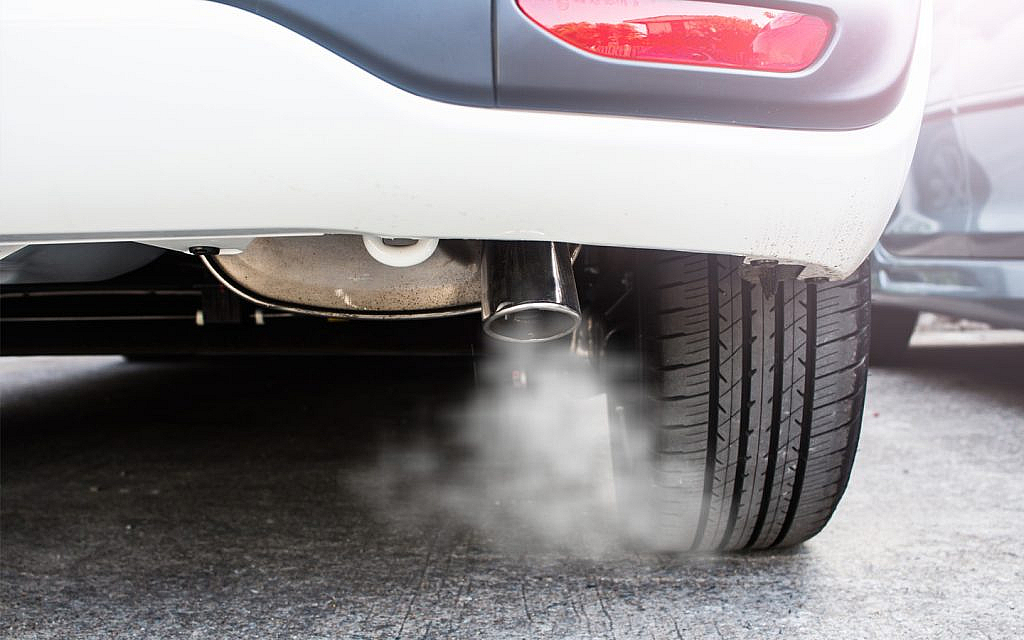
Carbon emissions are a key concern when comparing vehicle types. Each option impacts the environment differently, depending on how power is produced and consumed.
Electric
Electric cars for sale in the UAE produce no tailpipe emissions during operation, making them the cleanest choice for daily driving. Since they do not burn fuel, gases such as carbon dioxide, carbon monoxide or nitrogen oxides are not released. However, their overall carbon footprint depends on how the electricity is generated for charging.
Power from renewable sources like solar or wind leads to very low emissions, while electricity from fossil fuels increases the indirect impact. Manufacturing of EV batteries also contributes to emissions, but advancements in technology and recycling are steadily reducing this effect.
Hybrid

Hybrid cars reduce emissions by combining a petrol engine with an electric motor. The electric motor supports the engine, allowing less fuel consumption and lower carbon dioxide output, particularly during city driving and traffic conditions. However, hybrids still rely on petrol for long distances and when battery levels are low, they still produce some tailpipe emissions.
Their environmental impact depends heavily on driving style and conditions. In practice, they produce fewer emissions than petrol cars but more than electric cars.
Petrol Cars
Petrol cars operate through fuel combustion, which produces carbon dioxide and other gases. The amount of emissions depends on factors such as engine size, efficiency and driving style. Modern technology has improved their performance and made engines more efficient over time. Petrol cars are widely used due to easy refuelling, strong availability of service centres and reliable performance.
Fuel And Charging Stations

The UAE has a well-developed fuel supply network that is rapidly expanding charging facilities to support electric mobility. Availability differs for each vehicle type.
Electric
In the UAE, EV charging infrastructure is growing quickly as authorities encourage the adoption of electric cars. Public charging points are installed across malls, parking areas, offices and residential communities. Dubai Electricity and Water Authority (DEWA) operates the ‘Green Charger’ network, offering hundreds of charging stations nationwide.
Abu Dhabi also continues to expand its charging network through initiatives led by the Department of Energy and ADNOC Distribution. While charging takes more time than refuelling with petrol, the increasing availability of fast-charging units makes the process quicker and more convenient.
Hybrid
Hybrid cars in the UAE use fuel and electricity, so their reliance on charging stations is limited. Most hybrids recharge their batteries through regenerative braking and engine-driven charging, reducing the need for external charging.
This makes them convenient in a region where petrol is widely available and charging networks, while growing, are still not as common as fuel stations. Some plug-in hybrid models can use charging facilities similar to electric cars, but they are not as dependent on them.
Petrol
The UAE has a vast and reliable network of petrol stations, ensuring easy access across all emirates. Petrol stations in the UAE such as ADNOC, ENOC and EPPCO operate hundreds of outlets, many offering 24-hour services. Motorists can refuel quickly, with facilities often located along highways, city centres and residential areas.
Maintenance

Maintenance is important when comparing electric, hybrid and petrol cars. Each type has different needs depending on how the vehicle is built and powered.
Electric
Electric cars are generally easier to maintain than petrol or hybrid vehicles because they have fewer moving parts. Since EVs do not have combustion engines, no oil changes, spark plugs or exhaust system repairs are needed. The main components requiring attention include the battery pack, electric motor and software systems.
Like any other car, tires, brakes and suspension parts still need regular care. Battery health is the most important factor; manufacturers often provide long warranties. In the UAE, service centres for EVs are expanding, especially in cities like Dubai and Abu Dhabi, making it easier for owners to access specialised support.
Hybrid
Hybrid cars require more maintenance than electric cars because they combine an internal combustion engine with an electric motor. This means regular servicing is needed for engine parts such as car filters, oil, spark plugs, battery and electric system checks.
The complexity of having two powertrains can sometimes increase servicing costs and require skilled technicians. However, regenerative braking reduces wear on brake pads, helping with overall durability. Hybrid car benefits in the UAE include better fuel efficiency and a smooth driving experience.
Petrol

Petrol cars usually need frequent maintenance because they rely on internal combustion engines. Regular oil changes, coolant checks, air filter replacements and spark plug servicing are necessary to keep them running smoothly. Depending on usage, exhaust systems, clutch systems and gearboxes also require proper maintenance.
Since petrol cars are the most common in the UAE, service centres, spare parts and mechanics are widely available.
FAQs
Do hybrids need to be plugged in for charging?
Most standard hybrids recharge through regenerative braking and the engine, but plug-in hybrids can be charged externally.
How easy is it to find charging stations for EVs in the UAE?
Charging stations are increasing quickly across the UAE, with DEWA’s Green Charger and ADNOC leading expansion in major cities.
Which car type between EV vs ICE vehicles is best for long-distance driving in the UAE?
Petrol cars are the most convenient for long journeys due to the widespread fuel network, though EVs also perform well.
What is the difference between hybrid and electric cars?
Hybrid and electric cars differ in how they are powered: hybrid cars use a combination of petrol and electric power, while electric cars run entirely on batteries without using any fuel.
That was all about pros and cons of electric cars vs gas vs hybrids. Choosing between electric, hybrid and petrol cars depends on your lifestyle, driving needs and long-term goals. Electric cars lead in sustainability, hybrids balance efficiency and flexibility, while petrol cars remain the simplest and most accessible.
Whether you prefer electric, hybrid or petrol, exploring used cars for sale in the UAE can help you find the right vehicle for your needs.
Keep reading the UAE’s top auto blog for more information on different types of vehicles.
Related Posts