
Marking the official transfer of ownership or possession of the property, handover is a critical step in real estate transactions. Ensuring a smooth handover requires meticulous attention to documentation, property condition, legal compliance and all associated processes. A structured property handover checklist enables all involved parties to complete the handover process efficiently and without hassle.
Property Handover Checklist for Developers
From obtaining a No-Objection Certificate (NOC) to ensuring compliance with building codes, there are several critical elements that must be included in a developer’s property handover checklist.
Legal and Contractual Readiness
Before handing over a unit, developers must ensure the property is fully compliant with all the legal and contractual requirements. This includes securing mandatory approvals from the relevant authorities, verifying functionality of all the installed fixtures and cross-checking the Sales and Purchase Agreement (SPA). The developers should also confirm that the property details mentioned in the agreements precisely align with the agreed specifications.
Structural and Finishing Quality
Developers are advised to conduct a thorough inspection of each unit’s structure and finishing. This includes checking for visible defects or damage to the walls and making sure all fixtures are fully operational. Moreover, checking house paint coverage, tile alignment, sealants and skirting joints are also recommended. Such inspections help maintain compliance with building standards and ensure the units are delivered in pristine condition.
Common Areas and Amenities
Common areas and amenities form an integral part of any real estate project and should be operational before handing over to the owners. Lobbies and corridors should be complete, clean, well-lit and have finished floors. Similarly, amenities such as swimming pools, gyms and children’s play areas must be equipped with all the necessary fixtures.

Snagging and Handover Process
Prior to handing over a property to the owner, developers should conduct an internal-snag inspection, making sure that the property is ready to move in. Moreover, all the documents related to property handover should be prepared in advance to avoid the hassle.
Property Handover Checklist for Home Owners
The landlord’s home handover checklist should include the following:
Property Details
The first thing owners should include in their property handover checklist is the details of the unit. The unit’s specifications must be cross-checked against the SPA to ensure no modifications exist. Owners should also document the property by taking photographs of pillars, shelves and other key features, creating evidence that can be referenced later when assessing the unit at the end of the tenancy agreement.
Finishes and Defects
Owners should carefully inspect the property and document any defects such as cracks, chipped paint or other visible damage. This ensures transparency, allowing landlords to either address the defects or formally notify the tenant.
Electrical Points and HVAC System
Before handing over the property to the tenant, inspect the functioning of electrical points, appliances and HVAC systems. Testing these systems helps prevent future disputes, supporting a smooth handover process.
Plumbing and Bathroom
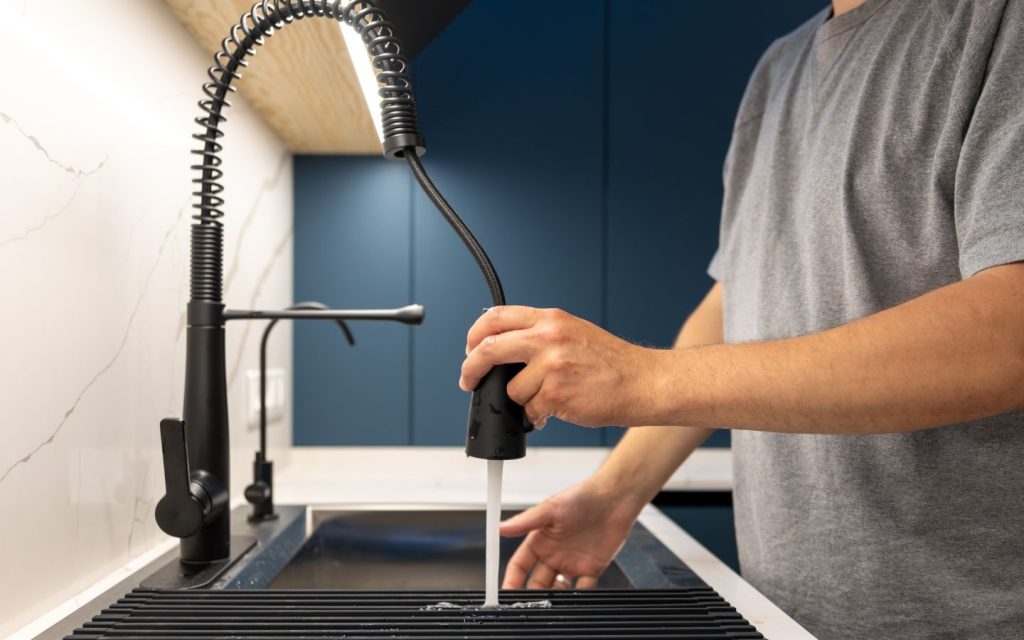
The landlord should thoroughly inspect all plumbing systems before handing over the property to the tenant. Ensure that all taps have running water, there is no sewage blockage and the water tank is free from leaks and moulds.
Property Handover Checklist for Tenants
The tenant’s property handover checklist can include the following:
Basic Functionality
Before returning the property to the landlord, tenants should ensure that all the basic fixtures and systems are fully functional. Any defect or damage should be documented, as the landlord may deduct the repair cost from the security deposit. According to the tenants’ rules and regulations, they are responsible for handing over the property in the same condition it was provided.
Included Appliances and Furniture
Tenants, when returning the property, should ensure that all the provided appliances and furniture are in their original condition to avoid deductions from the deposit.
Deposit and Exit Terms
Discuss all factors that may lead to deductions, including the condition of the property, return of keys, and move-out dates. Clear agreement on these points ensures a smooth and hassle-free handover.
FAQs
Why is a property handover inspection important?
A property handover inspection ensures the unit meets contractual, legal and quality standards. It helps identify defects, missing items or non-compliance issues before ownership or tenancy is finalised.
What should I inspect during a property handover?
Inspect structural elements, finishing quality, electrical and plumbing systems, HVAC, fixtures, appliances and common areas during a handover.
What is snagging and why is it necessary?
Property snagging refers to the process of identifying minor defects or incomplete work in a property. It is essential to ensure all issues are documented and rectified before final handover, preventing disputes and ensuring the property is delivered in the agreed condition.
Creating a comprehensive property handover checklist is essential for both homeowners and tenants in the UAE. It not only helps identify potential issues beforehand but also ensures transparency and accountability during the handover process. Whether buying properties in the UAE or returning a rented home, implementing a structured checklist safeguards the interests of all parties.
Stay tuned to dubizzle’s property blog to learn more about off-plan property handover in the UAE.