
Investing in your new home can be exciting yet daunting at the same time. Now that your property is ready to bore fruit, one of the important things to consider is the property handover.
There are certain rules around property handover in Dubai that especially first-time property buyers must be aware of. Let’s take a look at the steps a buyer must go through before a property handover in the Emirate.
Step-by-Step Process of Property Handover in Dubai
A buyer should be careful during property handover to ensure that the property is in good condition and matches the user specifications in the agreement. By being diligent during the process of property handover in Dubai, a buyer can avoid potential legal or financial issues in future. This step-by-step property handover checklist in Dubai will help a buyer to streamline the process.
Completion Notice
The initial step in the property handover process in Dubai is receiving a completion notice. The notice is received once the developer completes the following steps:
- The developer informs the buyer and Dubai Land Department – DLD, about project completion.
- After that, DLD sends a completion notice to the developer stating that the buyer has 30 days, from the notice issue date, to complete the property handover requirements.
- The completion notice includes the Property Index Number – PIN, printed on it, which is crucial for registration on Ejari and utility applications.
- The developer forwards the notice to the buyer. A buyer should instantly get in touch with the DLD if they fail to receive the completion notice. Failure to complete the handover requirements in 30 days can result in repercussions.
A building completion notice does not imply that the property handover in Dubai has been completed. Instead, the handover process is deemed completed once the developer has finished all outstanding snagging items and obtained an occupancy permit from the Dubai Municipality.

Property Inspection or Property Snagging
The next step in the property handover procedure in Dubai is the property inspection or snagging. A property inspection is a visual assessment of the property. This helps to discover any underlying problems with a property.
Property inspection in Dubai is a buyer’s right before purchasing a property. It should be availed by the buyer as it is their last chance to pinpoint any safety hazards or structural problems in the property.

While proper inspection, the identified defects must be properly listed. After completely examining the property, send this list to the developer. The developer will then have a certain time to address these issues. Afterwards, the buyer must receive a ‘defects list’ from the developer outlining all of the flaws in the property and how they will be rectified.
Depending on the size of the property, a property inspection in Dubai may take longer than the standard two or more hours. One of the common home-buying errors is not having a house inspected before making the purchase. This can end up with a buyer in financial loss in future. If you are a first-time property buyer in Dubai, you can hire professional property inspectors for the inspection.
Property Handover Notice
Once the contractor has completed the repair process of the defects listed by the buyer, the buyer receives a property handover notice from the developer. This notice informs the buyer to schedule a meeting with the developer’s team to complete the property handover procedure in Dubai and take the property’s possession.
Final Payment
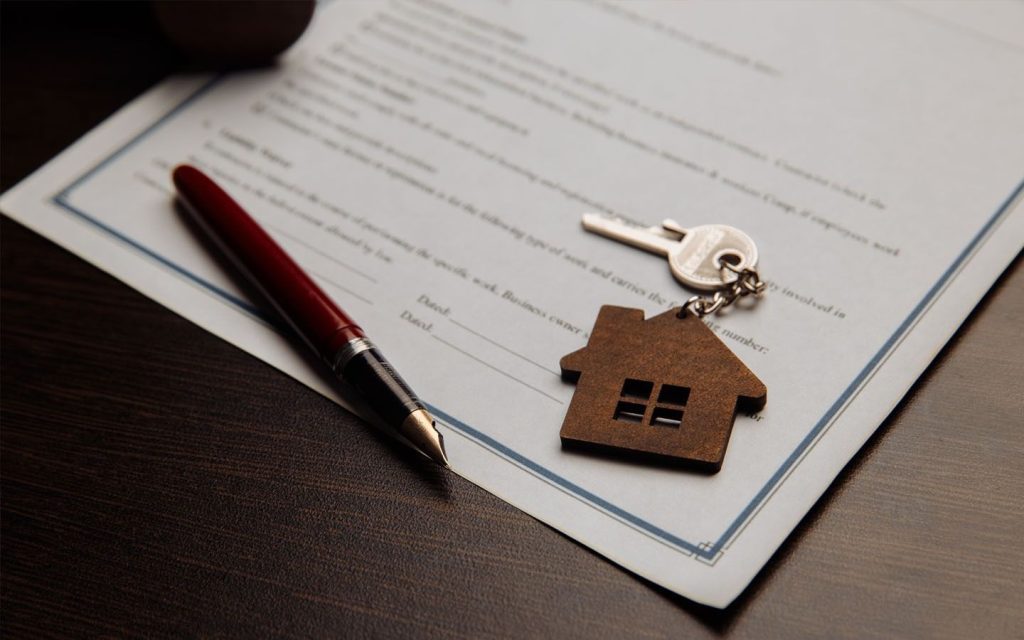
Along with the completion notice, the buyer should also receive a handover pack. This step is among the final steps of the property handover checklist in Dubai. The property handover pack includes information regarding the account statement from the developer. This handover pack specifies any outstanding balances on account of the buyer.
It is crucial to thoroughly read this statement because the buyer might have to make a final payment on the day of the transfer. If the buyer has any concerns regarding the statement, they must raise it with the developer and get it resolved beforehand. The outstanding costs usually include the following fees.
Final Instalments
The buyer is required to clear any outstanding final dues from the total property price listed in the contract. The buyer must also pay off any fines levied against them for making late payments during this phase.
Two instalments are typically made for the final payment. When the buyer signs the contract, they must pay the first instalment, and the second instalment is due on or before delivery.
Miscellaneous Fees
Some miscellaneous fees must be paid by the buyer before the property handover in Dubai. These include:
Oqood Fees
Oqood is the online portal for off-plan property management in Dubai. The Oqood fee is generally 4% of the original property price and it is paid to the DLD.
Title Deed Issuance Fees
Property buyers are required to pay the title deed issuance fee which is AED 250 to the DLD. Along with that, they must also pay AED 20 for innovation and knowledge fees.
Service Charges
The expenses associated with managing, maintaining, operating, and repairing a property are covered by a property service charge in Dubai. In Dubai, property service fees are determined on a per-square-foot basis. The DLD website or the Dubai REST App can be used to calculate these service fees.
Administration Fees
The administration fees are paid once to the developer. Although not all, the majority of real estate developers charge the buyer an admin fee. This covers the expense of the papers needed for the transfer of the property.
Utility Registration Fees
The official provider of energy and water in Dubai is the Dubai Electricity and Water Authority (DEWA). When moving into a new house in Dubai, one of the things you should have on your first-time home-buying checklist is to activate the water and power services. This can be done through your DEWA account. The utility activation charges include
- AED 10: Registration fee
- AED 10: Knowledge fee
- AED 10: Innovation fee
- AED 100: Small electricity and water metres
- AED 300: Large electricity and water metres
- VAT, if applicable
To familiarise yourself with the procedures of DEWA, you can also check out these DEWA FAQs.
Transfer of Property Ownership
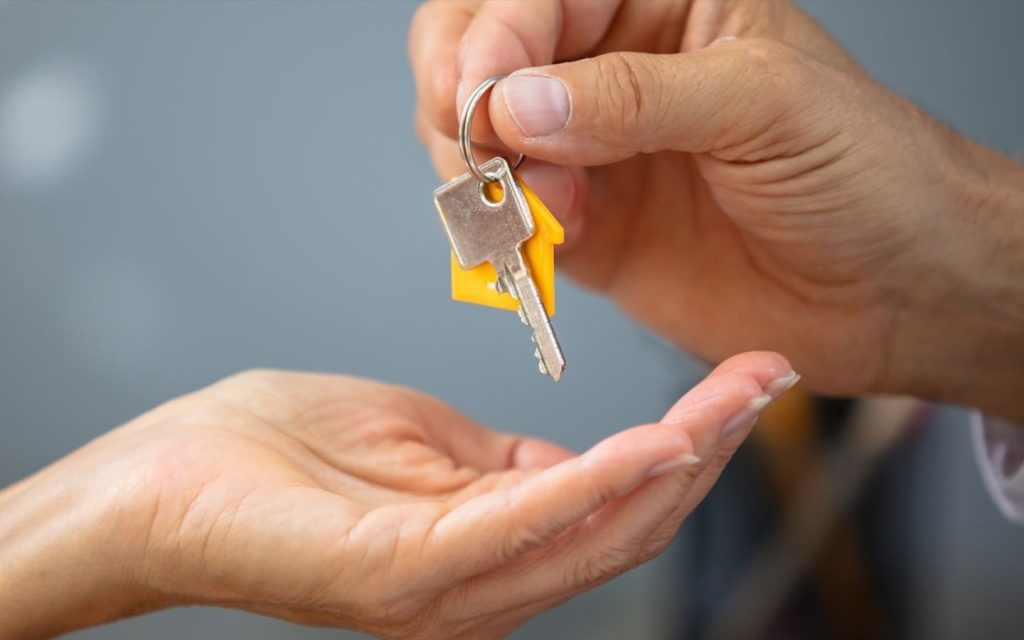
DLD governs the property transfer process in Dubai. The final handover takes place after the satisfaction and approval of the buyer.
For the transfer of property ownership in Dubai, the buyer submits the required documents at the Customer Happiness Centre (Main Office) in Dubai and pays the property transfer charges. The title deed and map are emailed to the customer once the process has been completed.
Here we conclude the process of property handover in Dubai. The aforementioned steps are what a buyer must complete before the final property handover. However, if you are a first-time property buyer in Dubai, you can always seek support by hiring a real estate agent to streamline property purchases.
That said, if you are still on a property hunt and haven’t yet found your ideal property, you may browse through these properties for sale in Dubai.
Stay tuned to the UAE’s popular property blog for information on property laws and regulations in the Emirates.