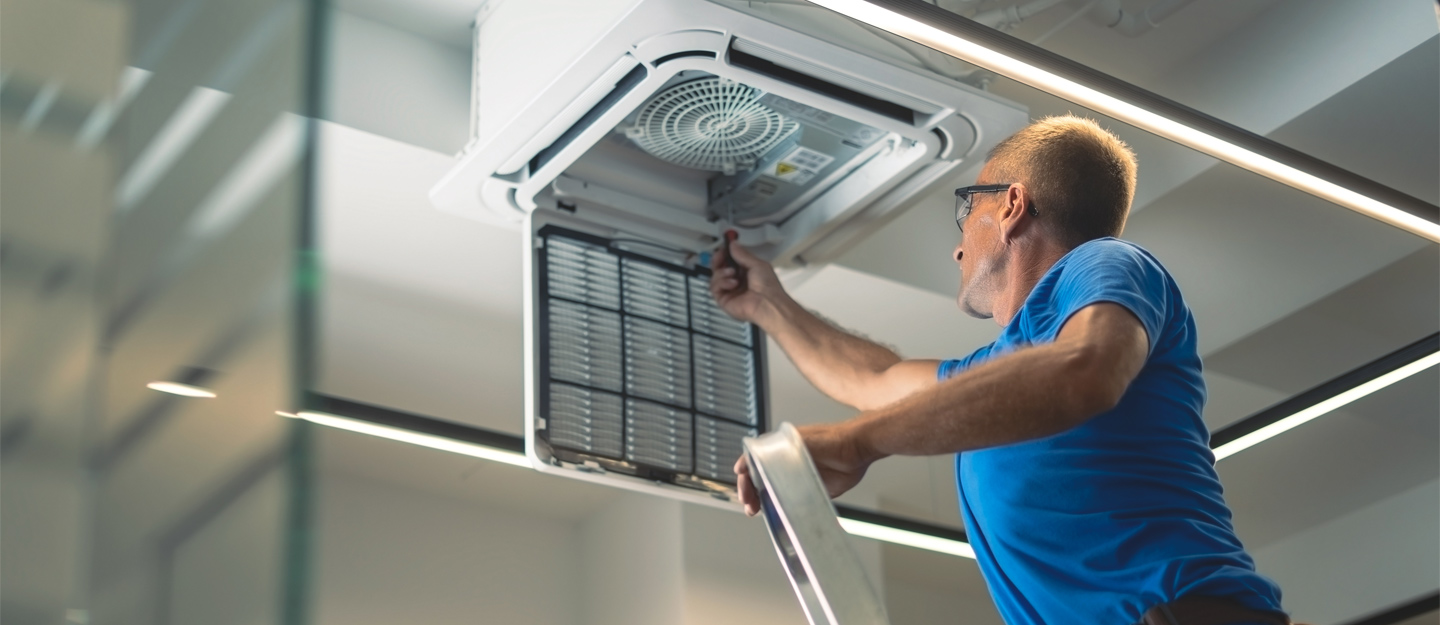
The HVAC system is a complete home comfort system responsible for heating and cooling your home regardless of the weather outside. It uses multiple components that work together to create the perfect atmosphere inside your home. However, any of these components can malfunction if not inspected routinely. Since UAE has a subtropical climate with consistently high temperatures, a faulty HVAC system will leave you sweating in the scorching heat. This is why it is important to ensure HVAC summer maintenance before the high temperatures hit.
Here is a summer HVAC maintenance checklist for homeowners.
HVAC Summer Maintenance
The hot weather in the UAE forces residents to have different types of ACs installed in their houses such as an HVAC. It is imperative to ensure HVAC maintenance in the summer if the air conditioner or the heat pump is malfunctioning. Routine maintenance will prevent such malfunctions or breakdowns.
Here is how you can conduct HVAC summer maintenance to ensure the best working conditions for the system in hot weather.
Turn the Power Off
The home HVAC system is an electrical system that poses a safety hazard if inspected while the power is on. Make sure to cut the power off before you begin working on the HVAC system. Most HVAC systems have a disconnector on the outside unit with a handle that cuts off power to the unit. However, it does not stop the flow of electricity to the disconnector. You must cover this disconnector and ensure no parts are exposed before you start working on the system.
Inspect the Unit Panels
Harsh weather can impact the outer units of the HVAC system. Outdoor units are enclosed in panels to protect the electrical components against sunlight, rain, storms and other calamities. Closely inspect all the panels and ensure there are no loose electrical connections or exposed components. If any panels are loose or misaligned, you can simply tighten or reposition them to fit the outer unit perfectly.
However, if any of the electrical components are exposed, it might be a safety hazard and you must maintain a distance. Contact an HVAC technician to fix the issue. Refrain from using the HVAC system until the issue is resolved to ensure safety and efficiency.

Clear Away Debris
Wind and rain bring along dirt and debris that gets caught in the outer unit. This prevents air conditioning from running smoothly and causes early wear and tear in some components. It also increases the energy cost and decreases the life of the equipment.
You can use a blower or garden hose to get rid of dirt from the components. For stubborn debris, use a heavy-duty degreaser or a vacuum to get rid of all the waste stuck to the exterior of the unit. If the unit is placed on grass or near vegetation, it is recommended to cut down plants within two feet around the unit to allow better airflow.
Repair or Replace Pipe Insulation
The pipe that runs between the outside unit and the inside unit should be properly insulated to maximise energy efficiency. Inspect this pipe thoroughly and look for thin or disintegrated insulation. Poor insulation can lead to high electricity bills as the HVAC system requires more energy to do less work.
The thin or disintegrated insulation can be repaired or replaced with a layer of fibreglass, polyethylene foam or foam rubber. You can contact a handyman service in Dubai to repair the pipe insulation for efficient cooling.
Clean or Replace Air Filters

Air filters play a crucial role in maximising airflow and ensuring that clean air flows through the house. A clogged air filter will prevent air from entering or exiting the HVAC system, reducing the efficiency of the system. Whereas a clean air filter offers significant advantages to the overall system and improves air quality in the home.
Depending on the HVAC unit installed in your house, both the indoor and the outdoor air filters will either be cleaned or replaced. Make sure to clean or replace the air filters every one to three months or as needed. This will increase efficiency and reduce costs.
Clean the Evaporator Coil
The evaporator coil is responsible for absorbing heat and moisture from the house. It is one of the most important components of the HVAC system as it works alongside the condenser coil to complete the heat exchange cycle.
A dirty coil reduces the system’s ability to cool your house efficiently and decreases the life of the components. Open the door to the evaporator coil and clean the component using a soft brush. This removes any dust caught in the coil. Then, use a coil cleaner and spray it on the component to clean any remaining dirt.
Lastly, use a mixture of soap, hot water and bleach to clean the drain pan and pour bleach and water down the drain. Once you are done, seal the evaporator coil door to prevent dust from entering.
Check the Drainage Line
The drainage lines of an HVAC system transfer the excess fluid in the drip pan to the outer unit where it is drained. However, if mould or algae grows in the drainage line due to moisture, it can affect the drainage system.
The mould can clog the pipe resulting in either slower flow or no flow at all. Simply put, if the excess fluid does not leave through the drain, the air conditioner will not be able to continue its cooling process.
To clean the drainage line, you must locate the pipe that runs from the indoor unit to the outside of your house. Once located, use a vacuum to clear the mould or any other growth. Attach the vacuum hose to the opening of the pipe and run the vacuum for a few minutes. This will suck out any unwanted growths from the pipe leaving a clear drainage line.
Test the Unit
Finally, once you have done everything on the maintenance checklist, test the HVAC unit to ensure it runs smoothly. Turn on the system and note whether the air conditioner reaches your desired temperature in a reasonable amount of time. Also, note the air quality inside the house to ensure that the HVAC system is working to its full potential.
However, if you are not satisfied with the air quality or encounter any issues while inspecting and cleaning the system, you must contact an AC repair company promptly.
Receive Professional HVAC Maintenance

There are some parts of the maintenance process that are best left to professionals. An HVAC maintenance professional will inspect each component of the system thoroughly to ensure they are performing proper functions. In case you encounter any issues during maintenance, they will solve the issue while also ensuring safety. The professional maintenance company can also take care of any electrical problems within the system safely.
FAQs
How do I Prepare my HVAC for Summer?
Change the air filters and clean around the outside unit of the system. Also, make sure to clean the drain lines and the evaporator coil before turning it on.
What are the Four Types of Maintenance HVAC?
The four types of maintenance HVAC are:
- Corrective Maintenance.
- Preventative Maintenance.
- Risk-Based Maintenance.
- Predictive Maintenance.
What is AHU in HVAC?
The air handling unit (AHU) collects air from the home and outside and supplies it to the rooms. It removes dust, adjusts the temperature of the air and supplies it to the rooms via vents.
Conducting summer AC maintenance before the sweltering weather starts ensures that all components are in good shape. This allows you to relax at home in a pleasant atmosphere when it is too hot to step outside. Routine HVAC maintenance also prevents breakdowns, reduces the energy bill and increases the life of the system.
It is important to prepare your home for summer, whether it’s with the help of tile flooring, an air conditioner or any other option. You can also take advantage of summer landscaping ideas to protect yourself from the heat.
The location of your home also plays a huge part in the air quality and temperature of the house. For this reason, if you are looking to buy a house in the Emirates, look through these properties for sale in the UAE and find units equipped with modern features. Stay connected to dubizzle’s property blog to get more home maintenance tips.