
Dubai can be appealing for many reasons. For travel, work or investment, people from all fields of life visit the city of gold on a frequent basis. The city is fully equipped to deal with the huge influx of people. For the majority of people either on short-term or long-term stay, renting is a viable option. The government has taken great initiatives to enhance renters’ experience. One of them is the introduction of tenant responsibilities and rights.
While the rights protect tenants from any wrongdoings, there are some responsibilities all renters should fulfil. We will do a detailed account of tenant responsibilities in Dubai to help renters learn and understand their obligations.
Significance of Tenant Rights and Responsibilities
The Dubai government takes a keen interest to ensure a smooth and hassle-free living experience for everyone in the city. Therefore, it has introduced a set of tenant rights for people renting or sub-leasing in Dubai. The rights are to be fulfilled by all concerned parties. If landlords fail to do so, the renters reserve the right to file a case.
However, to ensure landlords are fairly treated as well, the governing authorities also introduced some tenant responsibilities. This levels the playing field for both tenants and landlords as both have their respective sets of rights and responsibilities.
Tenant Responsibilities to Follow in Dubai
The law states the responsibilities every renter should follow. The onus, however, lies on tenants to play their part and fulfil their responsibilities. That said, let’s take a look at tenants’ responsibilities to follow in Dubai to give renters a clear idea about the obligations as per the rental law.
PAYING A SECURITY DEPOSIT
For renting commercial properties in Dubai or leasing or sub-leasing any other type, tenants need to pay a security deposit to the landlord. The security deposit is refundable and landlords are required to pay it back at the end of the rental contract.
The security deposit serves as a protection layer for landlords in many cases. For instance, it’s useful if the tenants fail to deliver the property in the state they received it. The landlord can then deduct the repair cost from the deposit.
Article 20 of the Dubai Rental Law states:
“When entering into a Lease Contract, the Landlord may obtain from the Tenant a security deposit to ensure maintenance of the Real Property upon the expiry of the Lease Contract, provided that the Landlord undertakes to refund such deposit or remainder thereof to the Tenant upon the expiry of the Lease Contract.”

There are certain types of landlords to avoid in the first place. One of these types may look for ways to steal a share from the deposit. Therefore, it is important to know about the ways to get a security deposit refund in Dubai from the landlord.
ENSURE TIMELY RENT PAYMENTS AND PROPERTY MAINTENANCE

Tenants should ensure timely home rental payments in Dubai as per the contractual terms. Moreover, for any renovation or changes to the property, tenants should take the landlord’s permission.
Article 19 of the Dubai Tenancy Guide states:
“The Tenant must pay the Rent on due dates and maintain the Real Property in such a manner as an ordinary person would maintain his own property. Without prejudice to the Tenant’s obligation to carry out the restorations that have been agreed upon or which are customary for Tenants to undertake, the Tenant may not make any changes or carry out any restoration or maintenance works to the Real Property unless so permitted by the Landlord and after obtaining required licences from the competent official entities.”
A property can be damaged during construction or renovation. Therefore, the owner’s discretion is compulsory for all such scenarios. Causing damage to the property can also lead to a property eviction notice in Dubai – allowing the landlord to immediately evict the tenant.
RETURN THE PROPERTY IN THE SAME CONDITION AS RECEIVED
Handing over the property in the same condition as received is one of the tenants responsibilities when leaving a property.
As per Dubai Tenancy Guide Article 21:
“Upon the expiry of the term of the Lease Contract, the Tenant must surrender possession of the Real Property to the Landlord in the same condition in which the Tenant received it at the time of entering into the Lease Contract except for ordinary wear and tear or for damage due to reasons beyond the Tenant’s control. In the event of dispute between the two parties, the matter must be referred to the Tribunal to issue an award in this regard.”
Usually, tenants are not responsible for the normal wear and tear of components. It is important to have the landlord specify in the Ejari contract what falls under the ‘ordinary wear and tear’ category.
DON’T SUBLEASE PROPERTY WITHOUT LANDLORD’S APPROVAL
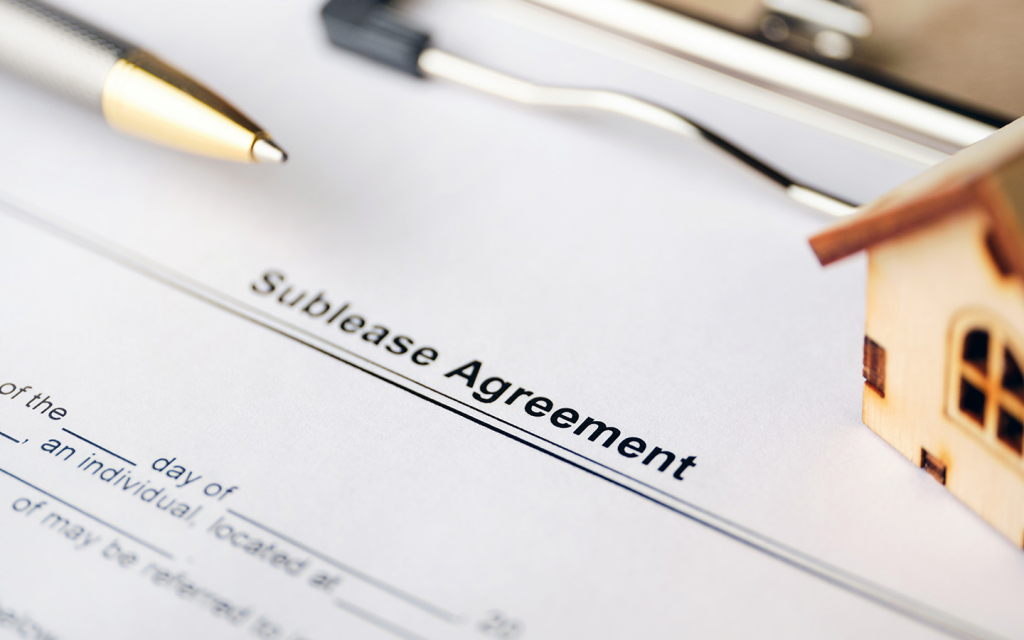
It is against the law to sublease a property without the landlord’s written approval.
According to Article 24:
“Unless otherwise agreed by the parties to the Lease Contract, the Tenant may not assign the use of or sub-lease the Real Property to third parties unless written consent of the Landlord is obtained.”
Whether you want to turn a rented Dubai property into a holiday home or sublease it, be sure to take the landlord’s approval beforehand.
PAY GOVERNMENT FEES AND TAXES
Unless mentioned in the contract, it is one of the tenant responsibilities to pay taxes and fees to government authorities.
Article 22 states:
“Unless the Lease Contract states otherwise, the Tenant must pay all fees and taxes due to Government entities and departments for use of the Real Property as well as any fees or taxes prescribed for any sub-lease.”
The charges may include those of opening a DEWA account or the government housing fees.
REFRAIN FROM ALTERATIONS WHEN RETURNING THE PROPERTY
Tenants aren’t allowed to remove any alterations made to the property when or after it was leased. This includes changes made by the tenants.
Article 23 of Dubai Rental Law clearly states:
“Unless otherwise agreed by the parties, upon vacating and surrendering possession of the Real Property, the Tenant may not remove any leasehold improvements made by the Tenant.“
Unless the rental contract mentions it, tenants cannot remove any alteration. Removing any major alteration directly affects the property’s appeal. Therefore, if you want to keep the modifications you make, discuss and include the clause in the contract.
These are all the tenant responsibilities in Dubai every renter should know about. The rights and responsibilities introduced by the government provide protection to both parties in case of any mishap.
Follow the law and do your part to prove yourself as a responsible citizen. It is also essential to know the ways to get a security deposit refund in Dubai when moving out of a property.
Moreover, go through our guide on renting in Dubai to get a detailed understanding of the entire process.
If you are looking for a property for rent in Dubai, browse through the following:
Stay tuned to dubizzle’s property blog for information about tenant responsibilities and rights in Dubai and other Emirates.