
Dubai is known for its modern infrastructure and fast-growing business environment. However, before setting up a shop, office or restaurant, businesses must obtain the necessary fit-out approvals from the relevant authorities. These approvals ensure interior modifications meet safety, structural and regulatory standards. Understanding the process for Dubai fit-out approvals can help businesses avoid delays, reduce costs and make sure their space is ready for operations without complications.
Dubai Fit-Out Checklist For Approvals
In Dubai’s fast-moving business environment, setting up a commercial or residential space involves much more than interior design and construction. Before any renovation or interior work begins, businesses must obtain fit-out approvals from the relevant authorities.
As the emirate continues to modernise its regulatory systems, the approval process has become more digital and efficient. However, compliance requirements have also become stricter, particularly in areas such as fire safety, building integrity and environmental standards.
Whether you are opening an office in Dubai, setting up a retail shop or launching a restaurant, understanding the fit-out approval process can help avoid delays and unnecessary costs.
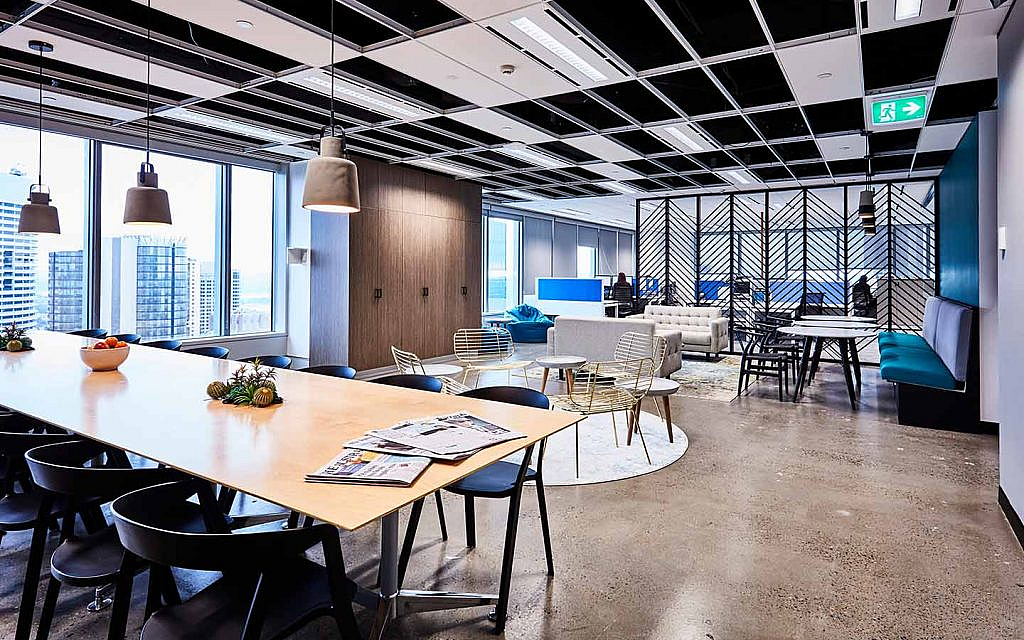
Phase 1: Identifying the Correct Authority
The first step for getting Dubai fit-out approvals is identifying the authority responsible for regulating your project. Dubai is divided into mainland areas and free zones, each governed by different regulatory bodies.
For mainland projects, the primary authority is the Dubai Municipality. It oversees building Dubai interior fit-out regulations, safety standards and construction permits across the city. Moreover, identifying the correct authority early is essential because each regulator has its own procedures, submission platforms and fee structures.
Projects located in specialised districts or free zones may fall under different authorities. For example:

- Dubai Development Authority regulates areas such as Dubai Media City, Dubai Internet City and Dubai Design District.
- Trakhees oversees developments including Jebel Ali Free Zone and Palm Jumeirah.
- Dubai International Financial Centre has its own independent regulatory framework.
- Dubai Multi Commodities Centre manages approvals within Jumeirah Lakes Towers.
Phase 2: Obtaining the Landlord’s No Objection Certificate
Before submitting applications to government authorities, businesses must first secure a No Objection Certificate (NOC) from the landlord or building management.
Most real estate developers in Dubai require tenants to submit their preliminary design concept digitally. This helps ensure that the proposed fit-out will not affect the building’s structural components or shared systems such as mechanical, electrical and plumbing (MEP) networks.
Key Documents Required
At this stage, applicants typically need the following documents:
- Valid Trade Licence: Proof that the business is legally registered in Dubai.
- Tenancy Contract or Ejari: Confirmation of the tenant’s right to occupy the space.
- Affection Plan: A site plan issued by the developer showing the exact unit or plot boundaries.
- Contractor Appointment Letter: Confirmation that a licensed fit-out contractor in Dubai has been hired.
Only licensed contractors registered with the relevant authority can carry out fit-out work in Dubai.

Phase 3: Preparing Technical Drawings and Submitting Applications
Once the landlord’s NOC has been issued, the contractor prepares a detailed technical package for submission to the relevant authority. Dubai’s approval systems now use digital portals that can automatically detect basic design issues, such as blocked emergency exits or missing safety elements.
Architectural and Structural Plans
Architectural drawings must clearly show the existing layout and the proposed modifications. These plans usually include:
- Partition layouts
- Flooring materials
- Reflected ceiling plans
- Electrical and lighting arrangements
In line with Dubai’s sustainability initiatives, many projects must also confirm the use of energy-efficient lighting and low-emission materials.
Fire Safety Approval
Fire safety approval is mandatory for all projects and must be obtained from Dubai Civil Defence. Authorities carefully review fire safety plans to ensure compliance with the UAE Life Safety Code. Even minor changes, such as relocating a sprinkler head or adding a smoke detector, must be reviewed.
Modern systems often require fire alarms and detection equipment to be connected to the building’s central monitoring platform, which allows authorities to respond quickly to emergencies.
Electricity and Water Approvals
If a project requires additional power capacity, approvals must be obtained from the Dubai Electricity and Water Authority. This is particularly common for restaurants, industrial facilities and data centres. Applicants may need to submit a load schedule and electrical diagrams when requesting a power upgrade.
Sector-Specific Approvals
Some businesses require additional approvals from specialised authorities. For example:
- Restaurants must obtain kitchen layout approvals from food safety departments.
- Medical clinics and healthcare centres require licensing and compliance checks from the Dubai Health Authority.
Phase 4: Costs and Timelines
The cost of obtaining commercial fit-out permits in Dubai depends on the authority overseeing the project and the size of the space.
Typical fees may include:
- Permit fees are charged per square foot
- Fire safety review fees
- Government service charges
For most standard commercial projects, the initial approval process may take five to ten working days, provided all documents are complete. However, projects requiring additional approvals, such as electricity load upgrades or healthcare licensing, extend the timeline to three or four weeks.
Phase 5: Inspections and Completion Certificate
Receiving an office fit-out approval in Dubai allows construction work to begin, but businesses cannot start operating until they receive a Building Completion Certificate (BCC). During construction, inspectors may conduct site visits to verify that the work complies with the approved drawings. These inspections focus on electrical installations, plumbing systems and fire safety equipment. After the project is completed, a final inspection is carried out to check that the completed space matches the approved plans.
Common Reasons for Inspection Failure
Inspections may fail if:
- Emergency exits or evacuation paths are blocked
- Fire-rated materials are not used where required
- Furniture or partitions obstruct safety routes
- Storage systems block required ventilation gaps

FAQs
Who issues fit-out approvals in Dubai?
Approvals are issued by different authorities depending on the location, such as Dubai Municipality, Dubai Development Authority or Trakhees.
Do all businesses need a landlord NOC before applying for approvals?
Yes. Tenants must obtain a fit-out NOC in Dubai from the landlord or building management before submitting applications to government authorities.
Can tenants do fit-out work themselves?
No. Fit-out work must be carried out by contractors who are licensed and registered with the relevant authority.
Obtaining Dubai fit-out approvals is an essential step when launching or renovating a business space. Although the process involves multiple authorities and regulatory checks, it is designed to maintain the city’s high standards for safety, quality and sustainability.
For instance, when planning to set up a new commercial space or a rental office in Dubai, make sure to acquire the necessary permits for a fit-out process.
To learn more about renting or buying commercial spaces in the UAE, keep reading dubizzle’s property blog.