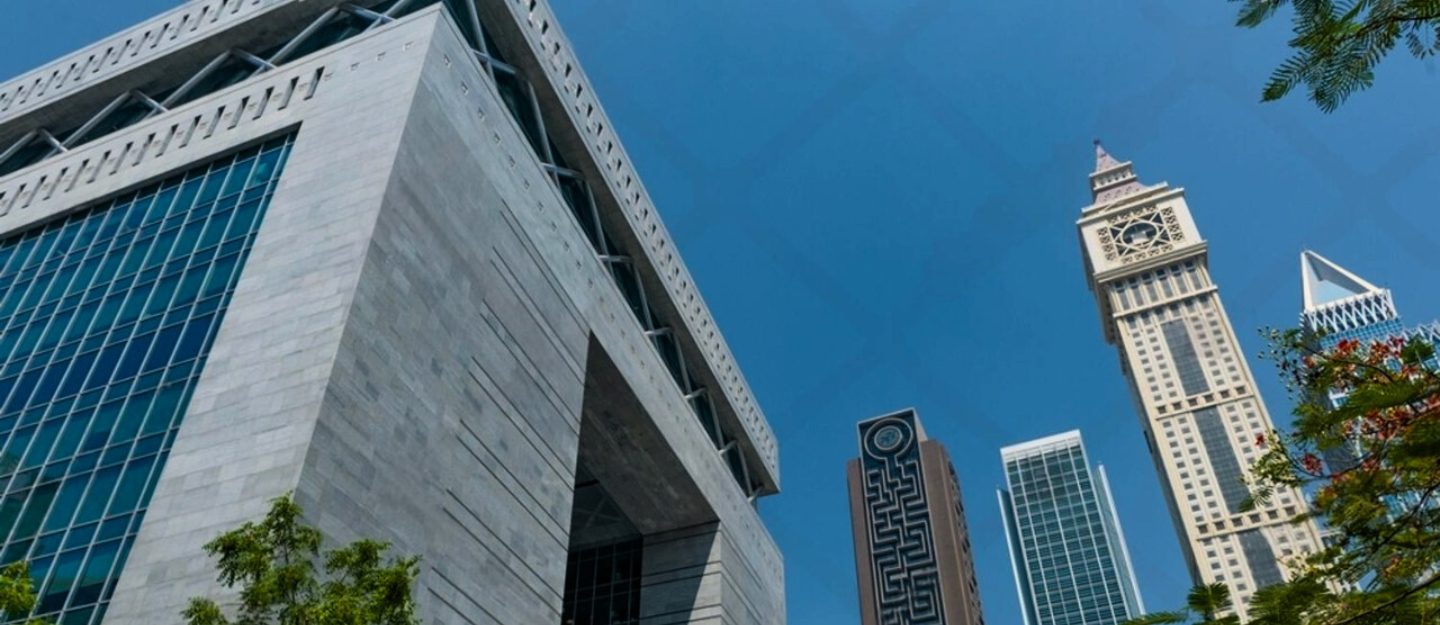
Dubai has developed a network of free zones to support specialised business and commercial activity. Alongside these dedicated hubs, investors can also explore opportunities within mainland Dubai, where commercial properties cater to a broader range of operations. Each option presents distinct advantages and considerations, from ownership structures to licensing requirements and market access. Choosing between a free zone and mainland property ultimately depends on the buyers’ individual requirements.
Buying Commercial Property in Free Zone vs Mainland Dubai
When investing in Dubai’s commercial real estate, buyers can choose between properties in designated free zones or those located on the mainland. Each option supports business activity differently, shaped by distinct regulations, ownership models and operational freedom for those interested in commercial property investment in Dubai.
Property Ownership
Dubai’s free zones allow full foreign ownership of commercial property, providing businesses with straightforward acquisition options within these designated districts.
On the mainland, foreign companies can also own commercial real estate, but only within Dubai’s freehold areas. In other mainland locations, ownership is limited to usufruct or long-term leasehold arrangements rather than full freehold rights.
Cost of Buying
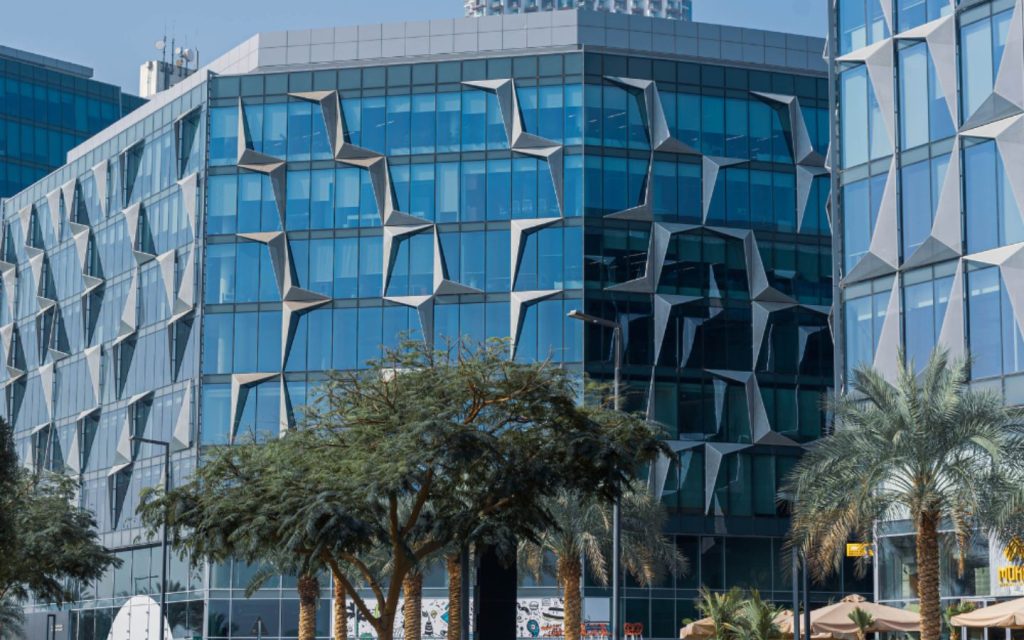
The cost of buying commercial space in a free zone vs mainland Dubai differs slightly, influenced by a range of factors. The reputation of the free zone and the type of commercial licence it supports all contribute to price variations. For example, a 650 sq ft office in a Dubai International Finance Centre (DIFC) may be available for around AED 3M, while a similar-sized commercial property in Dubai mainland, such as Business Bay, can reach about AED 8.41M.

Types of Properties
Free zones typically offer flexible workspace options, including flexi-desks, shared offices and partitioned units, generally ranging from 200 to 1,000 sq ft. Certain specialised zones also provide warehouses for sale in Dubai, as well as mixed-use facilities that combine office and storage space to support logistics and industrial operations.
On the mainland, commercial spaces are more varied, with shell-and-core units, fully fitted offices and multi-partitioned suites commonly available in sizes from 500 to 5,000 sq ft. Premium commercial spaces are also accessible, including executive suites and corner units in high-rise towers.
Regulatory Compliance
Each free zone in Dubai operates under its own authority and follows a defined legal framework governing activities such as real estate transactions, lease transfers and property ownership. These frameworks also include construction and building maintenance guidelines that outline the permitted uses, design standards and spatial requirements of commercial developments within the zone.

On the mainland, the DLD and the Real Estate Regulatory Agency (RERA) oversee the regulatory environment, offering a comprehensive framework for managing commercial properties. While both mainland and free zones function under the wider legal structure of the emirate, each applies its own set of rules to address the specific operational needs.
Service Charges and Maintenance Fees
Service charges and maintenance fees for commercial spaces in Dubai vary across free zones and the mainland, influenced by building standards, facilities and management practices. Generally, free zone offices tend to incur higher fees due to premium infrastructure and specialised services. For example, service charges in Almas Tower at DMCC are around AED 16.1 per sq ft, while the charges for spaces in 51 @ Business Bay are approximately AED 12.74 per sq ft.
Leasing Flexibility
In free zones, only companies licensed within the respective zone are permitted to lease commercial space. Moreover, the registration fees are fixed, generally ranging from AED 368 ($100) to AED 1100 ($300) depending on the lease term.
On the mainland, lease registration is carried out through the Ejari system under the DLD, allowing a broader pool of companies from across the UAE to lease commercial units. This creates a more flexible leasing environment, particularly for businesses operating outside free zone jurisdictions.

Location and Accessibility
Free zones in Dubai are strategically positioned across the emirate, often clustered around key commercial gateways. Locations such as the Airport Free Zone offer proximity to ports, logistics corridors and international transport links, making global trade more accessible. Added conveniences, including dedicated shuttle services, parking facilities and business lounges, further enhance the user experience within these zones.
By contrast, mainland commercial districts such as Business Bay and Downtown Dubai sit at the heart of the city. Their central positioning provides direct access to major highways of the UAE, retail centres and the wider business community.
FAQs
What is the difference between buying a property in a free zone vs mainland Dubai?
Full foreign ownership in Dubai free zones is allowed and follows its own regulatory framework, often offering flexible commercial spaces tailored to specific industries. Mainland properties are regulated by DLD and RERA, with foreign ownership limited to freehold areas only.
Where is the best place to buy commercial property in Dubai?
Prime mainland districts such as Business Bay, Downtown and Sheikh Zayed Road attract buyers seeking high visibility and strong demand. Commercial property in Dubai free zones like JAFZA, DIFC and DMCC is ideal for sector-specific operations.
Can foreigners own mainland property in Dubai?
Yes, foreigners can own commercial property in designated freehold areas. Outside freehold areas, ownership is generally limited to leasehold rights.
These are some of the core differences between buying a commercial property in a free zone vs mainland Dubai. Both zones present attractive business opportunities, supported by a secure environment and tax exemptions. Ultimately, the choice between the two depends on individual business priorities, regulatory preferences and the operational flexibility a buyer seeks when investing in commercial property in Dubai.
Stay tuned to dubizzle’s property blog for more information on business licence requirements in Dubai.