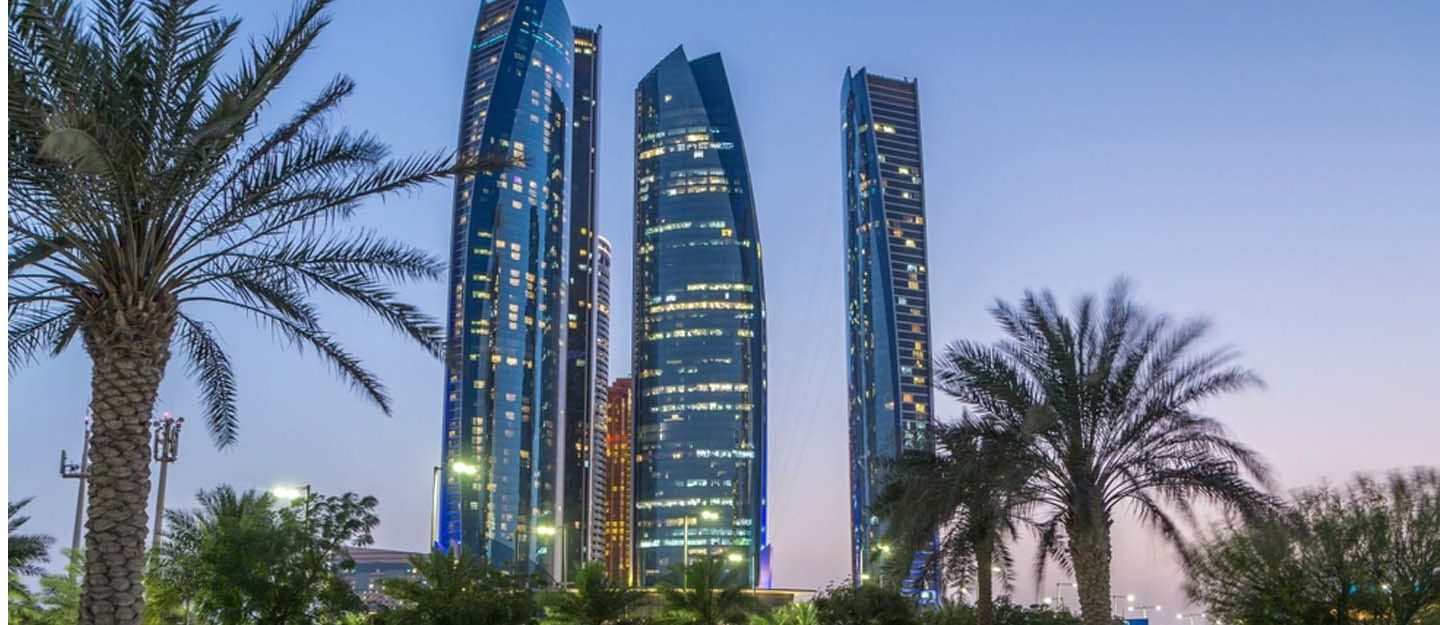
As the UAE’s capital city, Abu Dhabi boasts modern infrastructure and top-notch amenities, which makes it an attractive option for long-term residence and investment. However, before proceeding with the investment in Abu Dhabi’s real estate market, it’s crucial to understand the ins and outs of the important processes. Here are some commonly asked FAQs about buying property in Abu Dhabi to make your property purchase smoother.
FAQs About Buying Property in Abu Dhabi
Abu Dhabi’s real estate market is quite diverse, offering a wide range of properties catering to various preferences and budgets. The market reflects the emirate’s commitment to providing the residents with modern infrastructure and high-quality living standards. Whether seeking a cosmopolitan apartment or a spacious villa, Abu Dhabi has something for everyone. Let’s dig into the details and find the answers to some most commonly asked questions about buying property in Abu Dhabi.
How to buy a property in Abu Dhabi?
- Use online platforms such as dubizzle to compare properties and find reputable agents.
- Consider factors like location, amenities, different property types in the UAE and pricing. Visit multiple properties for firsthand experience.
- Ensure you have a valid visa with at least six months of validity if applying for a mortgage.
- Be aware of additional fees like agency fees and municipality levies.
- Negotiate a Memorandum of Understanding (MoU) with the seller and complete legal formalities. Also, consider annual property service charges.
- Finalise the transaction at the Abu Dhabi Municipality or developer’s office.
How do I apply for a title deed in Abu Dhabi?

Applying for a title deed in Abu Dhabi is streamlined through the TAMM portal. The portal offers a hassle-free process with minimal documentation requirements.
What is the significance of receiving a title deed in Abu Dhabi property ownership?
Under Abu Dhabi laws, receiving a title deed is crucial for legally recognising property ownership. This document facilitates future mortgage applications and provides legal protection against potential challenges or disputes.
Are financing options available for property purchase in Abu Dhabi?
Abu Dhabi offers various financing options, including property mortgages through platforms like TAMM and services provided by the Abu Dhabi Housing Authority and DARI. Here you can explore more about ADHA loan services.
What is the purpose of signing a memorandum of understanding (MoU) in Abu Dhabi property transactions?
In Abu Dhabi, the MoU serves as a formal agreement between the buyer and seller, witnessed by the agent, outlining the terms and conditions of the property transaction once both parties are satisfied with the offer.
How does the mortgage process work in Abu Dhabi property purchases?
Upon securing a mortgage, the bank conducts a property valuation to ensure a fair purchase price. Subsequently, the buyer’s bank issues a cheque dated for the transfer day, handed directly to the seller, facilitating the property transfer process.

How to obtain a mortgage pre-approval in Abu Dhabi?

To secure a mortgage pre-approval in Abu Dhabi, follow these steps:
- Choose a reputable lender.
- Gather required documents, including salary slips, bank statements and Emirates ID.
- Submit your application with accurate information.
- Undergo a credit assessment.
- Receive your pre-approval letter from the lender.
- Arrange for a property valuation.
- Receive final approval and proceed with your property purchase.
What are the requirements for applying for a mortgage in Abu Dhabi?
- Residency: You must be a resident in the country with a current valid visa for a minimum of six months.
- Loan-to-Value Ratio: Most banks offer up to 75% of the purchase price as a loan-to-value ratio.
- Down Payment: A minimum down payment of 25% of the purchase price is required.
- Agency Fees: A 2% agency fee is payable to the real estate agency when transferring the property into your name.
- Municipality Levy: Abu Dhabi Municipality charges a 2% levy on the purchase price of the property.
Where do all involved parties typically meet to finalise property transfer in Abu Dhabi?
In Abu Dhabi, the finalisation of property transfer involves a meeting at the Abu Dhabi Municipality or the developer’s office. The meeting is attended by the buyer, seller, agent and bank representatives if applicable.
What are the additional fees associated with property purchases in Abu Dhabi?
In addition to the property price, buyers in Abu Dhabi may incur specific fees such as:
- Registration Fee: 2% of the purchase price for online or offline portal purchases.
- Commission Fee: 2% of the property price when buying via a real estate agent.
- Mortgage Arrangement Fee: A calculated sum payable to the bank for mortgage arrangements.
Should I opt for a ready or off-plan property in Abu Dhabi?
The choice between a ready or off-plan property depends on your preferences and budget. While ready properties offer immediate occupancy, off-plan projects provide the opportunity for customisation and potential investment gains.
How do I narrow down my property search in Abu Dhabi?
To streamline your property search, finalise the type of property unit you desire. You can also use platforms like dubizzle for comprehensive listings and efficient navigation.
Why should I hire a real estate agent in Abu Dhabi?
A professional real estate agent brings expertise to the table, assisting with market insights, legal intricacies and effective negotiation. Hiring a real estate agent helps in simplifying the buying process and ensuring well-informed decisions.
Are there any specific considerations for leasing property in Abu Dhabi?
When leasing property, obtaining a Tawtheeq contract is crucial for tenancy matters and legal compliance. The contract ensures a transparent agreement between landlords and tenants.
What factors should I consider before buying property in Abu Dhabi?
Before making a purchase, consider factors such as legal status, location, budget, choosing well-reviewed real estate developers in Abu Dhabi, title deed clarity, No Objection Certificate requirements, future value potential, maintenance fees and payment plans.
How do I register my property and transfer ownership in Abu Dhabi?

Property registration and ownership transfer involve submitting required documents and fees to the Department of Municipalities and Transport through the TAMM portal. You can follow the steps to modify and register a property mortgage contract in Abu Dhabi.
Can foreigners buy property in Abu Dhabi?
Yes, foreigners can buy property in Abu Dhabi within designated freehold areas. However, it’s essential to familiarise yourself with the property ownership laws specific to expats in Abu Dhabi.
What are the legalities surrounding property ownership for expatriates in Abu Dhabi?
Expatriates can own property in designated freehold areas, subject to specific conditions and regulations outlined by the Abu Dhabi government to ensure compliance with local laws.
What post-purchase considerations should I keep in mind?
After purchasing your property, prioritise tasks such as setting up utility connections and addressing tenancy matters if applicable. Also consider renovations or upgrades, implementing security measures, staying informed about future developments and monitoring property value fluctuations.
How can I stay informed about future development plans in Abu Dhabi?
Staying informed about future development plans involves keeping track of government announcements, monitoring local news sources and engaging with real estate professionals who have insights into upcoming projects.
What are the popular areas for apartments in Abu Dhabi?
Popular areas for apartments in Abu Dhabi include Al Reem Island, Al Raha Beach, Al Reef and Yas Island. Each area offers unique amenities and lifestyle options to suit diverse preferences.
Which areas are ideal for buying villas in Abu Dhabi?
For those in the market for villas, the top areas in Abu Dhabi include Hydra Village, Saadiyat Island and Al Raha Gardens, among others. These areas provide comfortable and well-facilitated living with a range of amenities, as well as plenty of options for those willing to buy villas in Abu Dhabi.
Where can expats buy property in Abu Dhabi?

This is one of the most common questions about buying property in Abu Dhabi. Fortunately, expats can buy a property in Abu Dhabi in freehold areas. Freehold areas include Yas Island, Saadiyat Island, Al Reem, Al Raha Beach, Sayh Al Sedairah, Al Reef, Mariya, Lulu and Masdar City.
What are the key differences between living in an apartment and a villa in Abu Dhabi?
Living in an apartment offers a more community-centric lifestyle with shared amenities. On the contrary, a villa provides more space, privacy and exclusive amenities, catering to different lifestyle preferences and needs.
What are the benefits of living in villa communities in Abu Dhabi?
Villa communities in Abu Dhabi offer spacious living, privacy, exclusive amenities and a sense of community, making them an attractive option for families and individuals seeking a serene yet vibrant lifestyle.
With this, we end our list of FAQs about buying property in Abu Dhabi. As you plan to proceed with your investment, these property buying FAQs in Abu Dhabi will help you make an informed decision and find your ideal property in this dynamic city.
Stay tuned to the dubizzle property blog for your next house hunting!