- Electrical Safety During Rain
- Safety Measures
- How to Handle Power Outages
- Post-Rain Electrical Safety Checklist
- FAQs
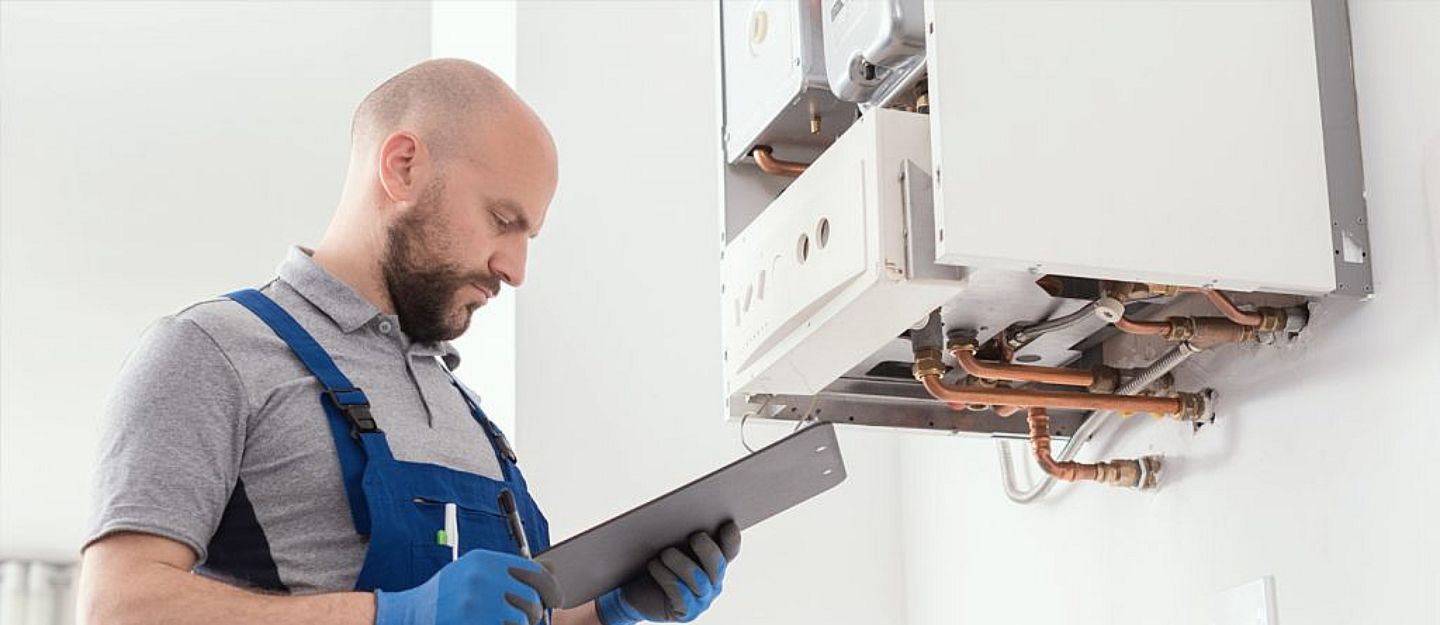
Heavy rain and extreme weather can put electrical systems under stress. To ensure a continuous and sustainable electricity supply during the rainy season in Dubai, DEWA advises residents and property owners to take specific precautionary measures before, during and after adverse weather conditions. Following these DEWA safety tips during rain not only helps reduce the risk of electrical faults and power outages but also protects lives, property and electrical infrastructure.
Why Electrical Safety Matters During Heavy Rain
Rainwater can easily seep into exposed electrical components, increasing the risk of short circuits, equipment damage and electric shock. Poor maintenance, ageing wiring or unsecured outdoor connections can worsen these risks during storms and high humidity. Learning to recognise the signs of major electrical problems in your home early can help prevent accidents and reduce costly repairs.
By following DEWA rain safety guidelines and taking preventive action, residents can minimise safety hazards and avoid prolonged power disruptions during extreme weather.
Preventive Electrical Safety Measures During Rainy Weather
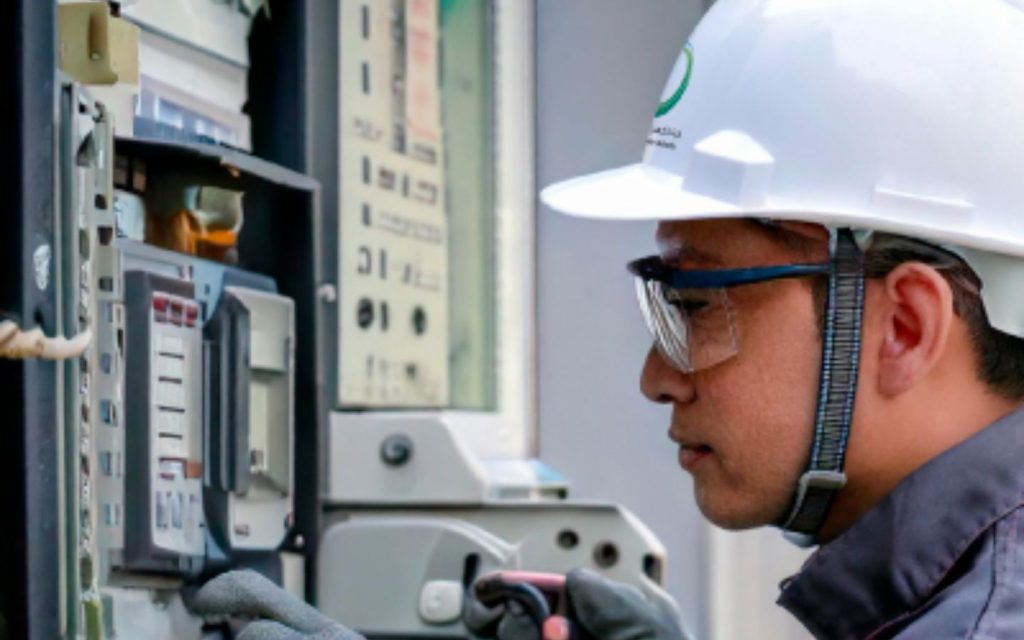
Taking proactive steps to rainproof your home, such as sealing conduits, waterproofing outdoor sockets and securing cabinets, can significantly reduce the risk of water-related electrical hazards. To maintain a stable and secure electricity supply during periods of heavy rain or extreme weather, DEWA recommends the following steps:
Schedule Regular Electrical Maintenance
Always use the services of a competent and qualified technician to carry out regular inspection and maintenance of your home’s electrical systems. Routine checks help identify vulnerable wiring, loose connections and ageing components before they become safety hazards.
Secure Exposed Electrical Connections
Inspect all exposed connections around your home, especially in outdoor areas, balconies, parking spaces and rooftops. Secure them using waterproof sockets, sealed fixtures and weather-resistant enclosures to prevent water ingress.
Ensure Proper Earthing
Verify that all electrical connections are correctly earthed in the main electrical panel or distribution board. Proper earthing plays a crucial role in preventing electric shocks and protecting appliances during power surges.

Close Electrical Cabinets Properly
Make sure all electrical cabinets, particularly those located near house entrances or outdoor areas, are securely closed and sealed. Open or loosely fitted cabinets can allow rainwater to enter and cause internal damage.
Replace Damaged Meter Windows
Check the electricity meter window located in the utility room or near the villa entrance. Any cracks or damage should be replaced immediately to prevent water from reaching live components.
Seal Spare Roof Conduits
Seal all unused or spare electrical conduits on the building’s roof. Open conduits can channel rainwater directly into wiring systems, increasing the risk of internal faults.
How to Handle Power Outages During Rain in Dubai
Power outages during storms can occur due to internal electrical faults or external supply issues. Also, knowing how to respond is an essential part of Dubai rain safety DEWA guidance.
Identify the Possible Cause
If you experience a power outage during the rainy season and suspect it may be due to internal wiring issues or failure to follow safety precautions, contact a specialist technician or your building’s maintenance team immediately.
Use DEWA’s Smart Response Service
If the cause of the outage is unclear, residents can use DEWA’s Smart Response service through DEWA’s digital channels or the DubaiNow app. This smart system automatically analyses the situation, identifies potential causes and suggests the appropriate next steps.
Follow Self-Diagnosis Guidance
If the system indicates that the outage is related to your home’s internal electrical system, you will be guided through basic self-diagnosis steps.
- If an internal fault is confirmed, you will be advised to contact a qualified technician or your building’s maintenance team
- In case the issue is external or cannot be resolved internally, you will be guided to request a field visit from DEWA’s technical team
Access to Reliable and Qualified Technicians
As part of its DEWA extreme weather safety tips, DEWA provides residents access to a trusted list of approved and qualified technicians. Using certified professionals ensures compliance with safety standards and helps reduce the risk of future electrical failures.
Post-Rain Electrical Safety Checklist
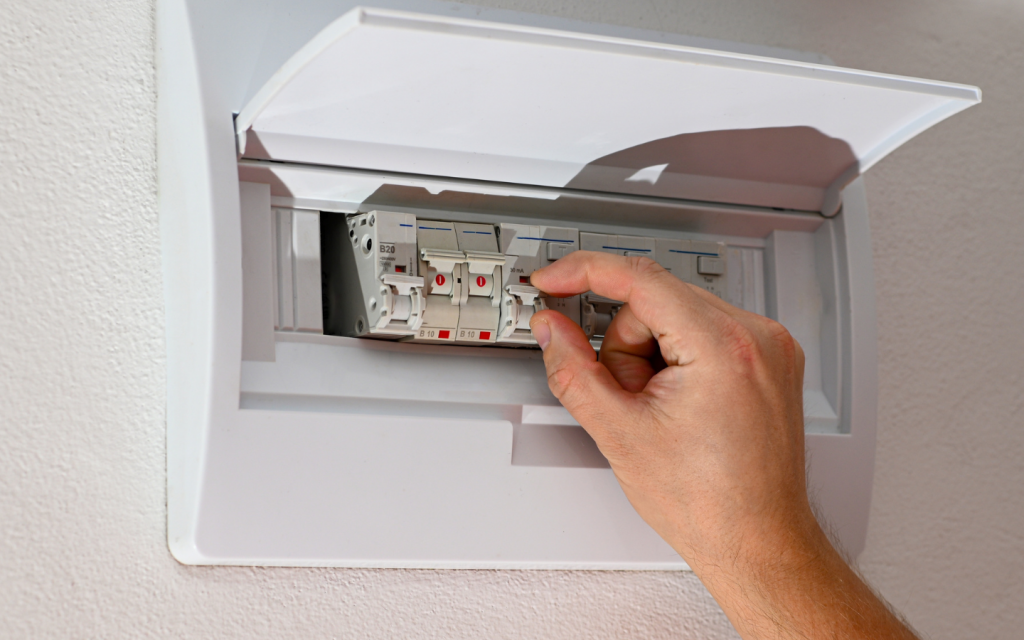
After heavy rainfall, it is essential to take extra precautions to minimise the risks associated with water and electricity. DEWA recommends following these post-rain safety measures:
Unplug Devices in Damp Areas
Disconnect electrical devices and appliances in areas affected by moisture, such as basements, garages and outdoor spaces.
Inspect Electrical Appliances and Outlets
Check all appliances, sockets and extension cords for signs of water exposure or damage before using them again.
Avoid Using Damaged Equipment
Do not use any outlet, switch or appliance that appears damaged, wet or burnt. Using faulty equipment can lead to electric shock or fire hazards.
Check for Water Damage
Inspect outlets, switches and power cords carefully for moisture, corrosion or discolouration. If any damage is detected, arrange for professional inspection and repair.
FAQs
How can residents stay safe from electrical hazards during rain?
Residents should avoid using electrical appliances in damp areas, keep electrical cabinets closed and unplug devices if there are signs of moisture. Any suspected electrical issue should be checked by a competent technician.
Does DEWA issue safety advisories during storms and heavy rainfall?
Yes, DEWA issues safety advisories and guidance during storms and heavy rainfall through its DEWA mobile app to help residents reduce electrical risks and respond correctly to power-related issues.
Who should residents contact in case of electrical emergencies during rain?
For internal electrical faults, residents should contact a qualified electrician or their building’s maintenance team. For supply-related issues, DEWA’s emergency (991) and digital support channels should be used.
Electrical safety during rain and extreme weather conditions is a shared responsibility between utility providers and residents. By following DEWA safety tips during rain, homeowners and tenants can avoid common home emergencies and an uninterrupted electricity supply during challenging weather conditions.
You can also contact these UAE hotlines for power and water emergencies in case of rainwater accumulation and power supply disruptions.
For those living in or searching for properties for rent in Dubai, understanding and following these safety guidelines is important. They help protect the property, electrical appliances and personal safety.
Stay tuned to dubizzle’s property blog for more home safety tips.