- Vision & Strategic Partnership
- Air Corridor Mapping
- Deployment of Vertiport Infrastructure
- Regulatory Considerations
- FAQs
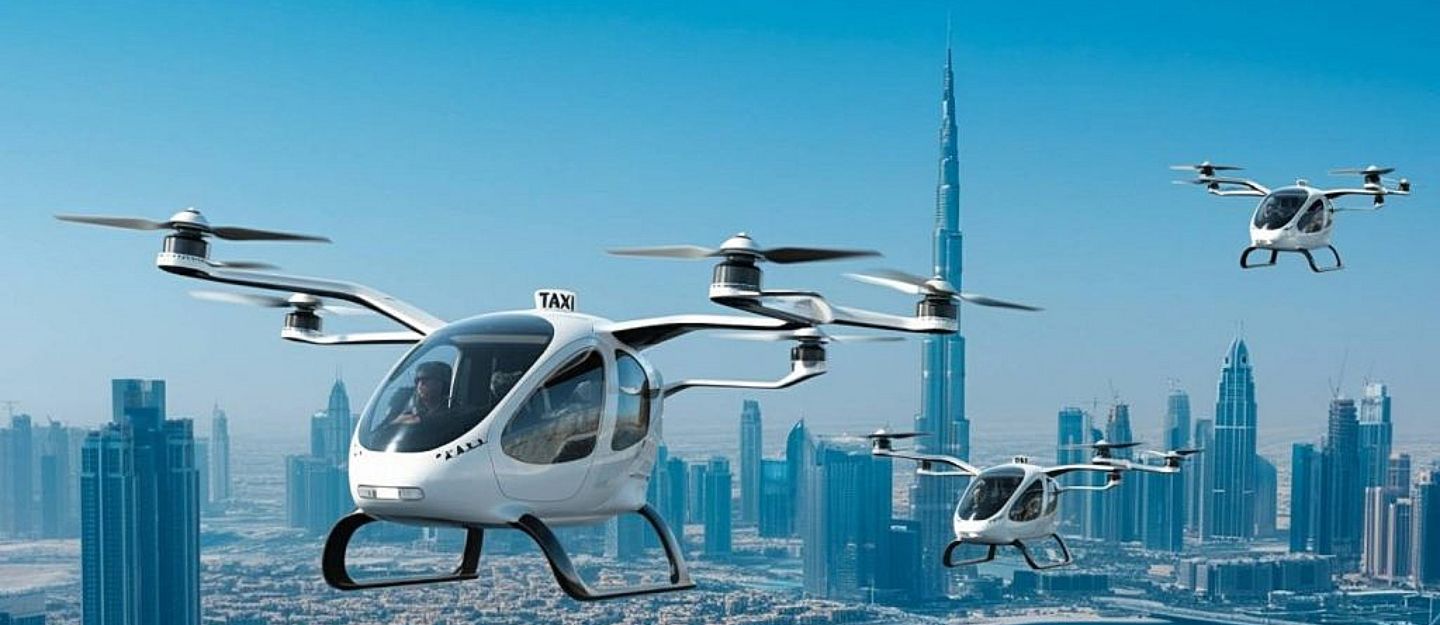
The UAE is known worldwide for its modern buildings and smart transport systems. From driverless metros to robot taxis, the nation always strives for innovation. Now, the country is preparing for the next big step in travel: UAE air taxis and drone corridors. A major project to design sky routes for flying taxis and cargo drones in underway. These sky corridors will link airports, landmarks and city centres nationwide.
Vision & Strategic Partnership: GCAA, TII & ASPIRE
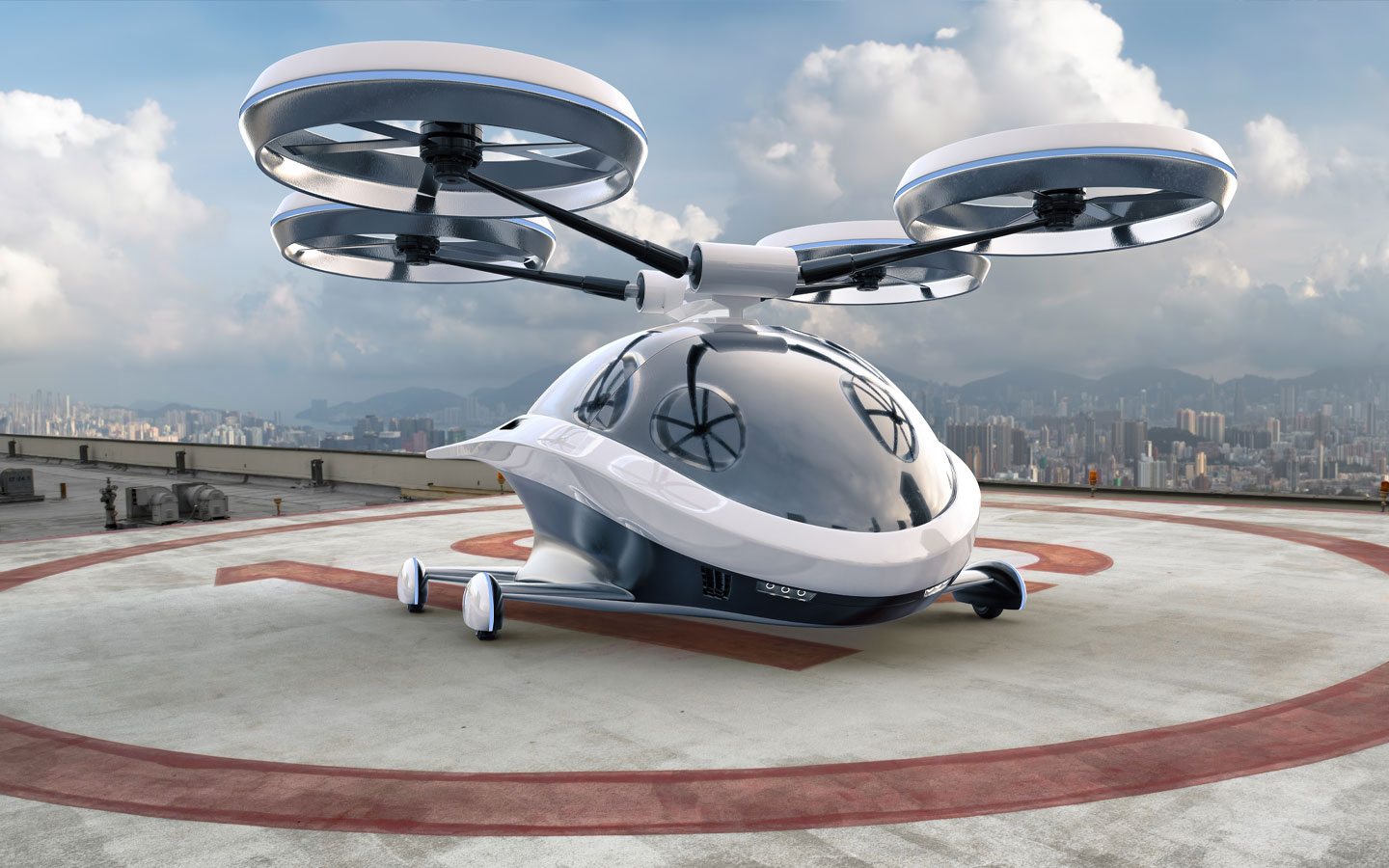
On February 13, 2025, the General Civil Aviation Authority (GCAA) officially announced its collaboration with the Advanced Technology Research Council (ATRC) entities, the Technology Innovation Institute (TII) and ASPIRE. This collaboration was to develop both the regulatory framework and air corridor design for piloted and autonomous flying taxis and cargo drones.
GCAA’s Director General, His Excellency Saif Mohammed Al Suwaidi, emphasised that defining air corridors is a vital milestone. The drone corridors will link major international airports and iconic UAE landmarks, enabling Advanced Air Mobility’s (AAM) safe, seamless integration into national infrastructure.
Air Corridor Mapping: Next 20 Months
The UAE plans to complete airspace corridors and supporting regulations by January 2026, following the announcement made in May 2024. This will establish distinct aerial routes for piloted and autonomous operations across urban zones. These corridors will connect critical nodes such as Dubai International Airport, iconic landmarks like Palm Jumeirah, Downtown Dubai and designated vertiports in Abu Dhabi.

Deployment of Vertiport Infrastructure
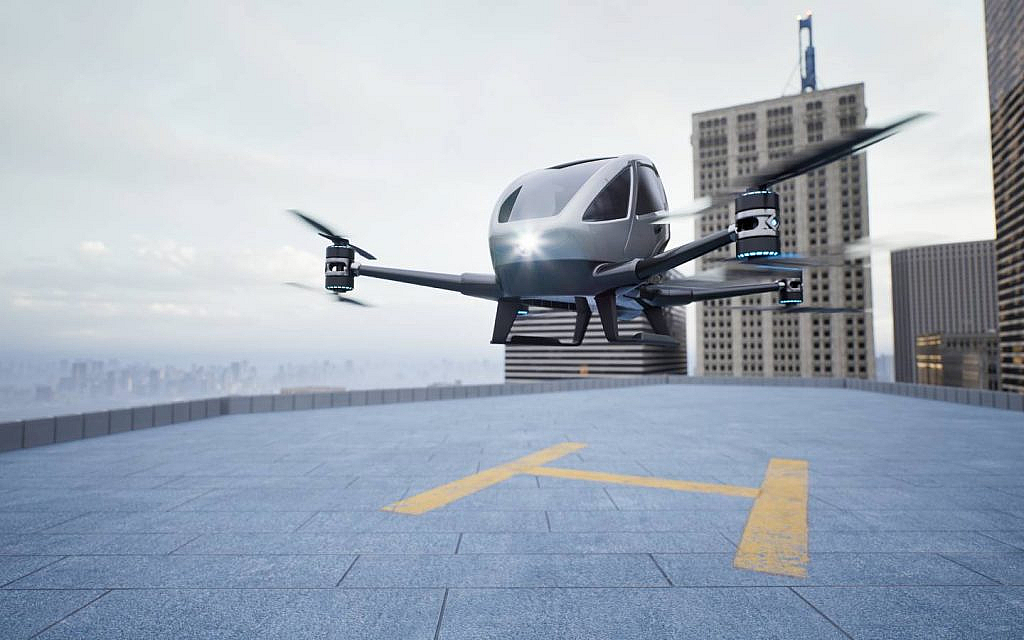
The UAE is preparing for the deployment of Dubai’s first aerial taxi vertiport infrastructure to support advanced air mobility. These facilities will enable safe take-offs, landings and other services. The network will first cover key cities across the UAE.
Dubai
Dubai is set to become the world’s first city-wide commercial aerial taxi network, targeting an operational launch in Q1 2026. On January 9, 2025, the Dubai International Vertiport (DXV) was unveiled as the flagship facility. Most recently, RTA and Joby Aviation completed the first crewed eVTOL aerial taxi flight between Margham and Al Maktoum International Airport, marking a major milestone toward commercial operations expected in 2026.
Abu Dhabi & Beyond
Abu Dhabi is making progress alongside Dubai. Trials for flying taxis began in Al Ain in May 2025, with plans to expand services to Abu Dhabi city and the Abu Dhabi–Dubai route by early 2026. Three vertiport sites have been selected in Abu Dhabi:
- Al Bateen Executive Airport
- Yas Island
- Khalifa Port
These locations were chosen based on easy access, tourism importance and available space. Detailed planning and design studies are already underway to prepare the capital for this advanced mode of transport.
Regulatory Considerations & Safety Framework
The GCAA has taken the lead in creating the first national rules for air taxis and vertiports. These rules match current aviation laws but also include new areas for eVTOL aircraft.
Important points include keeping air taxis and regular planes in separate paths, setting safety rules for vertiports, having clear emergency plans and updating air traffic control systems, which may use AI in the future.
FAQs
Will the Dubai flying taxi project operate at night or only during the day?
Yes. Air taxis in the UAE are expected to operate during daytime and nighttime hours. To ensure safety, night flights must meet strict visibility, lighting and weather standards approved by aviation authorities.
What altitude do UAE aerial mobility use above city level?
During the UAE flying taxi trials, they flew at low altitudes, typically between 300 and 600 metres above ground. This kept them clear of commercial air traffic and helped them avoid buildings while staying within urban operation zones.
Will passengers go through security screenings at vertiports?
Yes. Vertiports will be regulated to include basic security screening, including ID checks, controlled access and baggage screening.
That was all about air corridor mapping for taxis in the UAE. The UAE’s bold move to map its skies with dedicated air taxi and drone corridors marks a transformative step in global urban mobility. As these initiatives progress toward launch in 2026, the country continues to reinforce its position as a pioneer in future-ready transportation.
Flying taxis and drones are not yet available for commercial use. Meanwhile, conventional vehicles offer advanced features and a comfortable driving experience. Explore these new cars for sale in the UAE to find your next ride.
Keep visiting UAE’s leading autos blog to know more about futuristic developments in the transport sector and more.
Related Posts