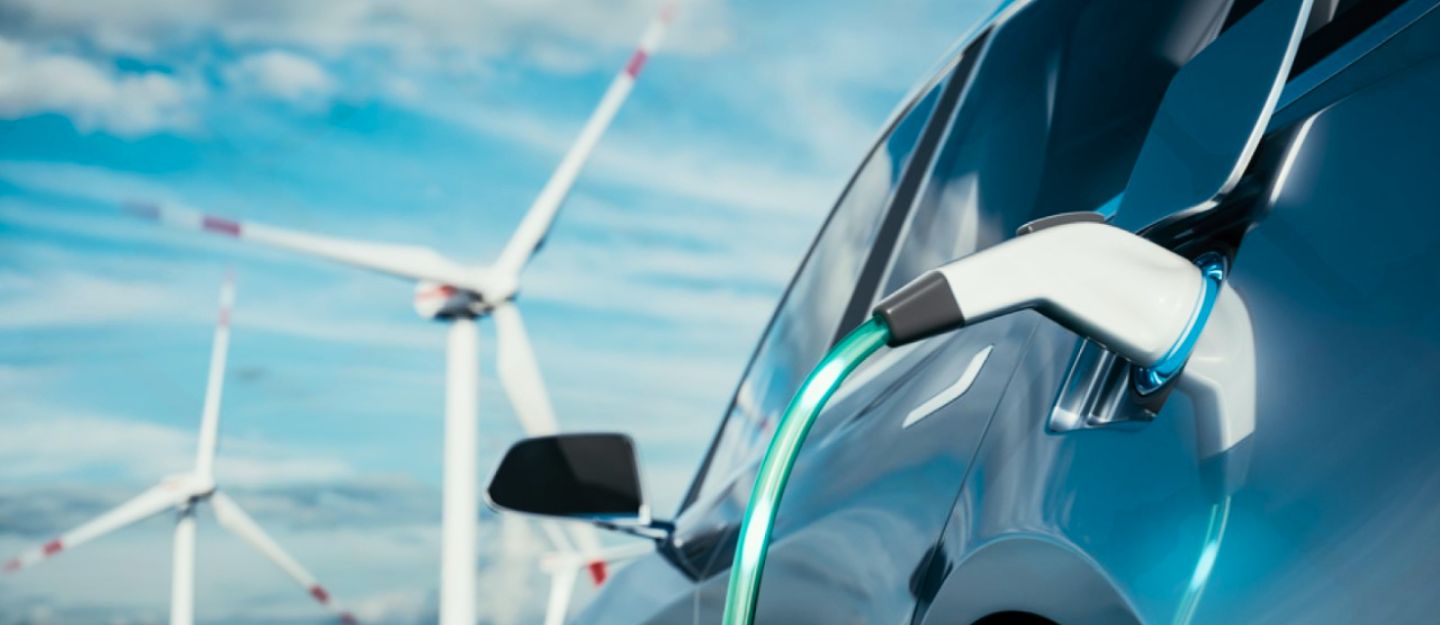
The automotive industry has increasingly shifted its focus toward sustainable transportation in response to growing environmental awareness. This shift has led to the development of a wide range of alternative fuel vehicles, collectively known as New-Energy Vehicles (NEVs). Often mistaken for Electric Vehicles (EVs), NEVs represent a broader category that includes hybrids, fully electric vehicles and hydrogen fuel cell cars.
Let’s explore what new-energy vehicles are and how they contribute towards a green future.
Definition of New-energy Vehicles
NEVs, also referred to as alternative fuel vehicles, are automobiles that operate using energy sources other than conventional fossil fuels like petrol or diesel. NEVs are designed to reduce the carbon footprint of cars and improve energy efficiency, supporting the shift towards green transportation.
By utilising non-renewable energy resources, NEVs also support government efforts to meet climate targets.
Types of New-energy Vehicles
NEVs are available in several types, each engineered to minimise emissions and reduce dependence on fossil fuels. The following are the types of NEVs currently offered in the market.
Battery Electric Vehicles (BHEVs)
Battery Electric Vehicles (BEVs) or simply EVs, operate solely on electricity stored in large rechargeable batteries. They are powered by electric motors that achieve efficiency rates exceeding 90%, significantly higher than the 25–30% efficiency of internal combustion engines. These motors also deliver instant torque, enabling smooth and rapid acceleration.
Beyond performance, EVs are widely preferred for their zero tailpipe emissions, reduced environmental impact and overall energy efficiency. If you are also interested in availing of these features, browse through these used electric cars for sale in the UAE that you can opt for.

Plug-in Hybrid Electric Vehicles (PHEVs)
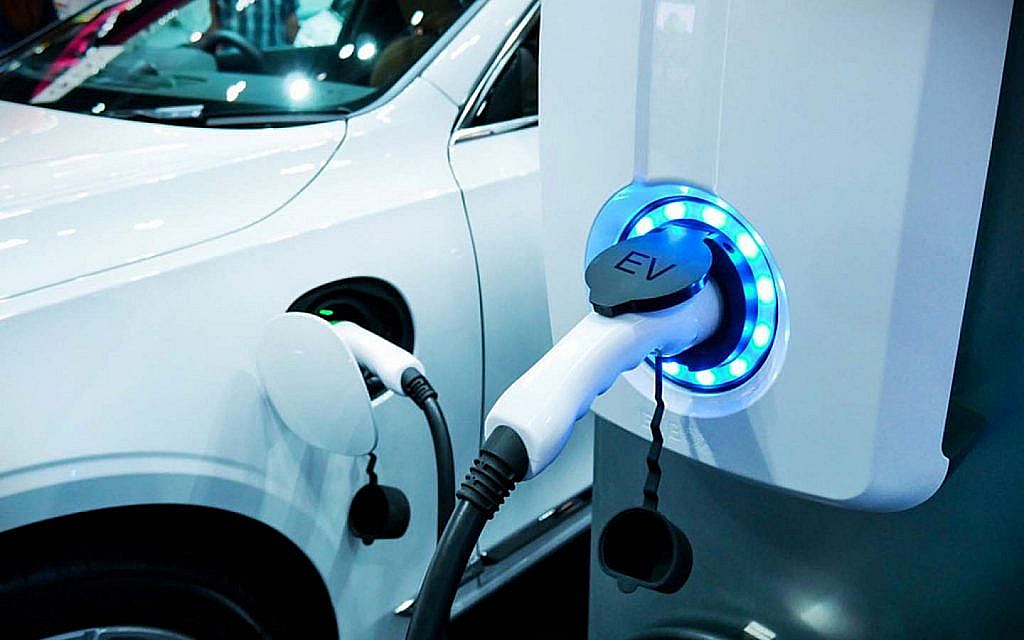
The Plug-in Hybrid Electric Vehicles (PHEVs) combine a rechargeable battery, an electric motor and an internal combustion engine to power the car. These vehicles can be charged through the grid and operate in EV mode for shorter trips, around 100 km.
Although PHEVs come with an internal combustion engine, their fossil fuel consumption and emissions remain relatively low, qualifying them as NEVs. In addition to reduced emissions, features such as smooth acceleration, extended electric-only range and enhanced responsiveness contribute to the growing popularity of PHEVs in the UAE.

Fuel Cell Electric Vehicles (FCEVs)
The Fuel Cell Electric Vehicles (FCEVs) operate on a fuel cell that converts hydrogen into electricity that powers an electric motor. The only byproduct of this process is water vapour, making it an efficient and sustainable transportation.
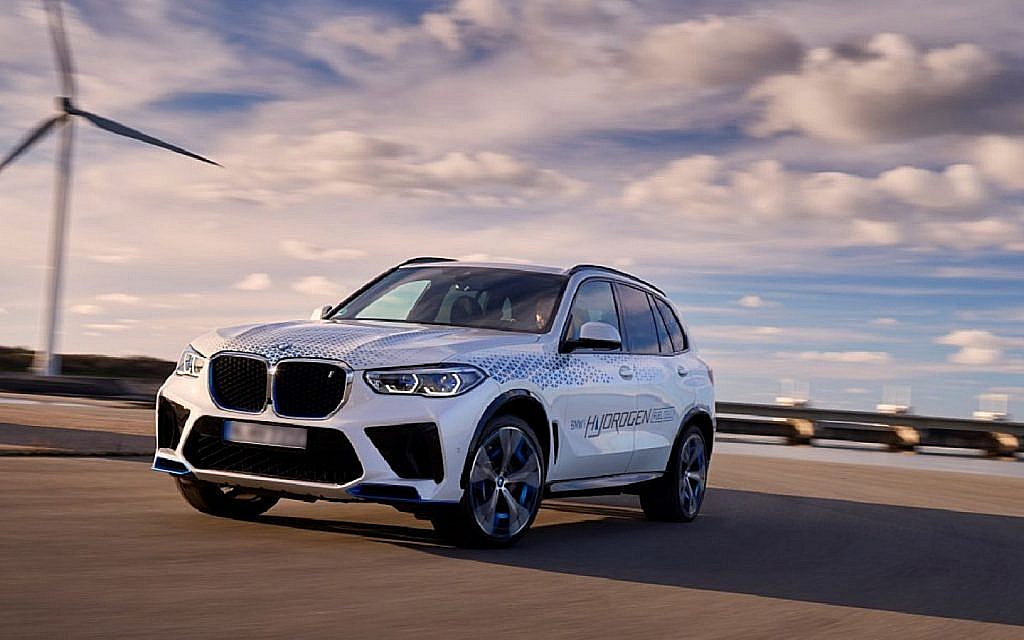
Hydrogen tanks in FCEVs can be refilled in as little as five minutes, offering quick turnaround times along with higher efficiency compared to many conventional and electric vehicles. Despite growing interest, hydrogen fuel cell vehicles remain limited in the market. BMW has already tested its iX5 Hydrogen prototype, with a market launch anticipated by 2028.
Benefits of New-energy Cars
The New-Energy vehicles (NEVs) offer several benefits over conventional internal combustion engine cars. From reduced environmental impact to operational cost, the NEVs present a more sustainable and efficient transportation option.
The following are some core benefits of new-energy vehicles.
Less Environmental Strain
Automobiles contribute a significant share of global greenhouse gas emissions, resulting in a considerable environmental impact. New-Energy Vehicles (NEVs), with zero tailpipe emissions, effectively address this concern.
The reduced carbon footprint of NEVs, supports national sustainability goals, aligning with initiatives such as RTA’s 2024 – 2030 Goals, which prioritise sustainable mobility solutions.
Higher Energy Efficiency
The use of electric motors in NEVs significantly enhances their efficiency by minimising energy loss during power conversion. Compared to conventional vehicles, NEVs offer up to 70% higher energy conversion efficiency.
This improved performance not only lowers overall energy demand but also contributes towards a sustainable future.
Lower Operational Cost
The cost of charging an EV in the UAE is approximately AED 0.70 per kWh for standard public charging and around AED 1.20 per kWh for fast charging, making it significantly cost-effective.
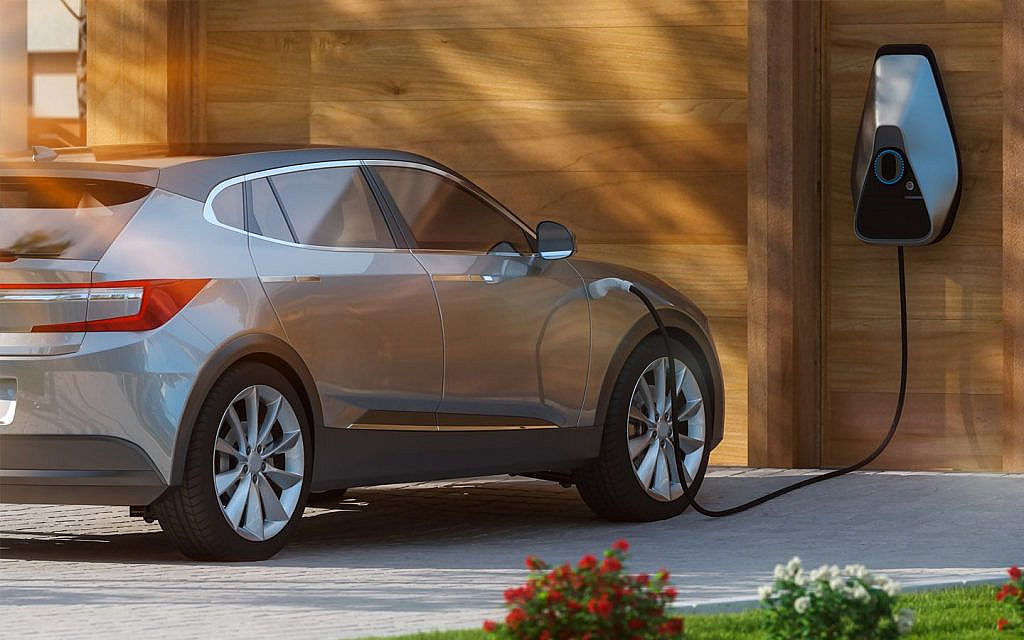
In contrast, the average price of petrol in the UAE starts at AED 2.39/litre, increasing in price per km. Apart from lower charging costs, the widespread availability of public charging stations in the UAE makes it convenient to charge NEVs throughout the Emirates.
Additionally, NEVs have fewer moving components, reducing the need for lubricants and lowering overall maintenance costs.
Reduce Noise Pollution
NEVs operate with minimal noise, particularly at low speeds, helping to reduce noise pollution. This is especially beneficial in densely populated areas, where traditional engine noise can impact everyday quality of life.
FAQs
What qualifies as a new-energy vehicle?
A new-energy vehicle runs on alternative energy sources like electricity or hydrogen, including EVs, plug-in hybrids and fuel cell vehicles.
How do new-energy vehicles differ from traditional cars?
New-energy vehicles use alternative fuels instead of fossil fuels, resulting in lower emissions, higher energy efficiency and reduced operating costs.
What are the main types of new-energy vehicles?
The main types of new-energy vehicles include battery electric vehicles (BEVs), plug-in hybrid electric vehicles (PHEVs) and hydrogen fuel cell vehicles (FCEVs)
This is all about new-energy vehicles and their benefits. NEVs continued shaping a more sustainable and efficient future for the automobile industry. From lower emissions to reduced operating costs, they offer compelling advantages over traditional vehicles. If you’re in the market to buy a new car in the UAE, considering a NEV can be a smart choice.
If you are specifically looking for a sedan, here are some of the top used electric sedans in the UAE that you can choose from.
Stay tuned to dubizzle’s auto blog to learn more about sustainable automotive technologies.
Related Posts