- Origin and Development
- Manufacturing Process
- Structural Advantage
- Automotive Application
- Future Manufacturing Potential
- FAQs
McLaren ART Carbon Technology is an advanced composite manufacturing process developed to improve structural efficiency, reduce material waste and enable greater design precision in high-performance automotive components. It is derived from aerospace industry manufacturing methods and has been developed at the McLaren Composites Technology Centre (MCTC) in Sheffield, UK, a facility dedicated to carbon fibre research and production.
Origin and Development of McLaren ART Carbon Technology
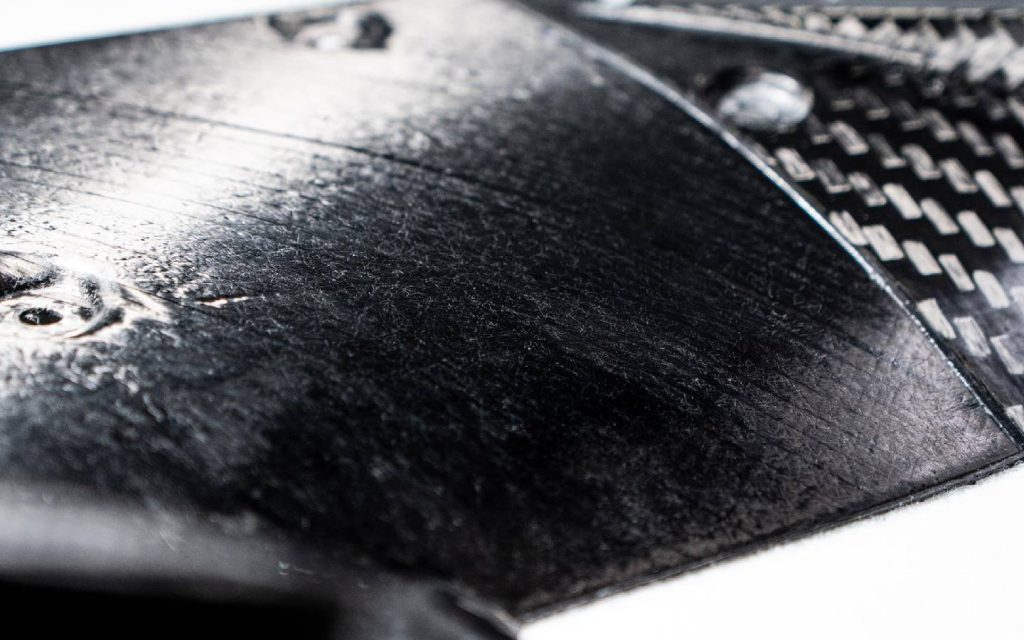
According to the history of McLaren, the automaker’s work with carbon fibre dates back more than four decades, including the early adoption of carbon fibre monocoques in Formula 1 and road-legal cars. Building on this foundation, McLaren ART Carbon Technology adapts precision composite techniques commonly used in aircraft and aerospace structures for automotive use. The aim is to achieve higher stiffness and strength while minimising excess material and production variability.
Manufacturing Process of McLaren Carbon Monocoque Design
The Automated Rapid Tape (ART) process uses a fixed deposition head combined with a rapidly rotating bed to place dry carbon fibre tape in measured lengths. Unlike traditional manual lay-up methods, where layers of fabric are cut and stacked by hand, ART relies on automation to place fibres exactly where required. This controlled process significantly reduces off-cuts and scrap material, cutting waste by up to 95% compared to conventional methods used in McLaren supercar carbon fibre technology.
Structural Advantages of the McLaren Car Body Structure
A key benefit of ART is the ability to tailor fibre orientation with a high degree of accuracy. Carbon fibre components can be designed with anisotropic stiffness, meaning rigidity is increased in specific load-bearing directions. Similarly, the need of unnecessary material is eliminated elsewhere. This results in lighter parts with improved structural performance, supporting the development of a McLaren lightweight carbon structure without compromising strength or safety.

First Automotive Application of ART Carbon Monocoque By McLaren
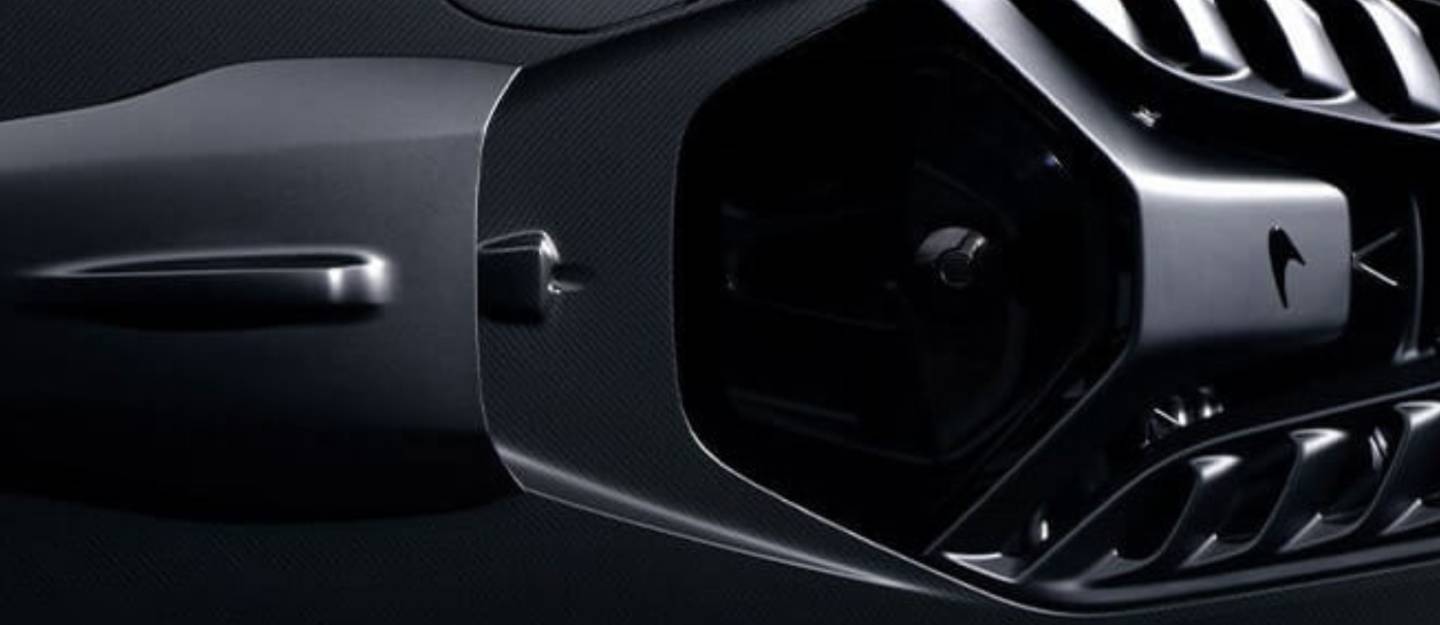
The first production application of McLaren ART Carbon Technology is in the McLaren W1 hypercar. The model featured the material used in the fixed plane of the active front wing assembly. According to McLaren, the ART carbon structure delivers a 10% increase in stiffness compared to previous solutions, contributing to more consistent aerodynamic performance under load.
The application demonstrates how advanced carbon fibre in McLaren cars can be targeted at specific components rather than entire assemblies.
Consistency and Quality Control for Vehicle Weight Reduction
Automation plays a central role in improving repeatability during car prototyping and the manufacturing process. Manual carbon fibre lay-up is labour-intensive and can introduce variability between parts. ART reduces human input during fibre placement, leading to greater consistency from one component to another. This is particularly important for structural elements in McLaren supercar materials, where small deviations can affect performance or durability.
Future Manufacturing Potential of McLaren Innovation Carbon Fibre
McLaren has indicated plans to increase ART manufacturing capacity from 2025 onwards. This expansion could allow the technology to be applied more broadly across vehicle structures. The arrangements potentially include elements of the McLaren carbon fibre chassis and, in the longer term, parts of the McLaren monocoque technology.
Lamborghini has introduced a similar solution in the Revuelto to reduce the car’s weight while increasing its flexibility and durability at the same time. Lamborghini’s carbon fibre monocoque has also been designed to support aerodynamics.
McLaren Supercar Carbon Fibre Technology Role in the Automotive Industry

As a manufacturing method rather than a single material, McLaren ART Carbon Technology represents a step forward in how carbon fibre components are designed and produced. It combines aerospace-derived automation with automotive engineering requirements, offering a pathway to lighter, rapidly evolving automotive designs for high-performance vehicles.
FAQs
Does ART Carbon make the car safer?
Yes, ART Carbon improves structural stiffness and load management, which helps maintain structural integrity during high-speed driving and impacts.
What is the role of ART Carbon in the monocoque chassis?
ART Carbon enables more precisely reinforced load paths in the monocoque chassis, increasing stiffness while reducing unnecessary material weight.
How does ART Carbon affect fuel efficiency and speed?
By lowering overall vehicle weight and improving aerodynamic stability, ART Carbon contributes to better fuel efficiency and improved acceleration and top-speed potential.
This is everything to know about McLaren’s supercar carbon fibre technology. Supercars like the McLaren Artura Spider feature the McLaren Carbon Lightweight Architecture (MCLA). The performance of the lightweight architecture paired with a powerful engine has also been put to the test. Gulf 12 Hours Champion Joe Osborne drove the McLaren Artura Spider at Yas Marina Circuit, testing the car for high-speed cruising and cornering.
The incorporation of tech and design upgrades is pretty evident in vehicles of the new era. Almost every other new car for sale in the UAE has a design that prioritises comfort, safety and fuel efficiency, enhancing the overall performance.
For more information on lightweight vehicle materials incorporated in modern vehicles, stay connected with the UAE’s favourite car blog.
Related Posts