McLaren is a British automotive marque revered for its luxury and high-performance vehicles. It’s an auto manufacturer born out of a motor racing company. The brand enjoys a long and rich history marked by its noteworthy contributions to the auto industry. McLaren is the brainchild of Bruce McLaren, a race car driver hailing from New Zealand. Known for their unique design and blazing-fast speeds, McLaren cars have a dedicated fan base across the world, including the UAE. To understand the origins of this raging success, let’s go back in time and explore McLaren’s history.
McLaren History Timeline and Facts

One of the many interesting facts about McLaren is that it was founded by a professional racer Bruce McLaren. McLaren origins can be traced back to Bruce McLaren’s passion for motor racing. Pursuing his passion for high-performing automobiles, here’s how Bruce made his dream come true.
1963 – McLaren Makes Its First Race Car
The history of McLaren cars started on a race track. The McLaren M1A was the first McLaren ever made and only 24 units of it were produced until the launch of the McLaren M1B. The M1B bagged 43 victories for McLaren, beating many renowned sports cars in several competitions. Later, the automaker introduced its first F1 car to compete in the Monaco Grand Prix in 1965.
1970 – The Year of Big Change
After the McLaren founder lost his life in an unfortunate car accident in 1970, Teddy Mayer took charge of the company. He continued the legacy of Bruce McLaren and kept contributing to the world of motor racing. McLaren team produced a host of high-performing F1 cars, such as the M16, M19, M23 and M26. On a similar note, here are interesting Formula 1 facts for enthusiasts.
1981 – Carbon Fibre Breakthrough
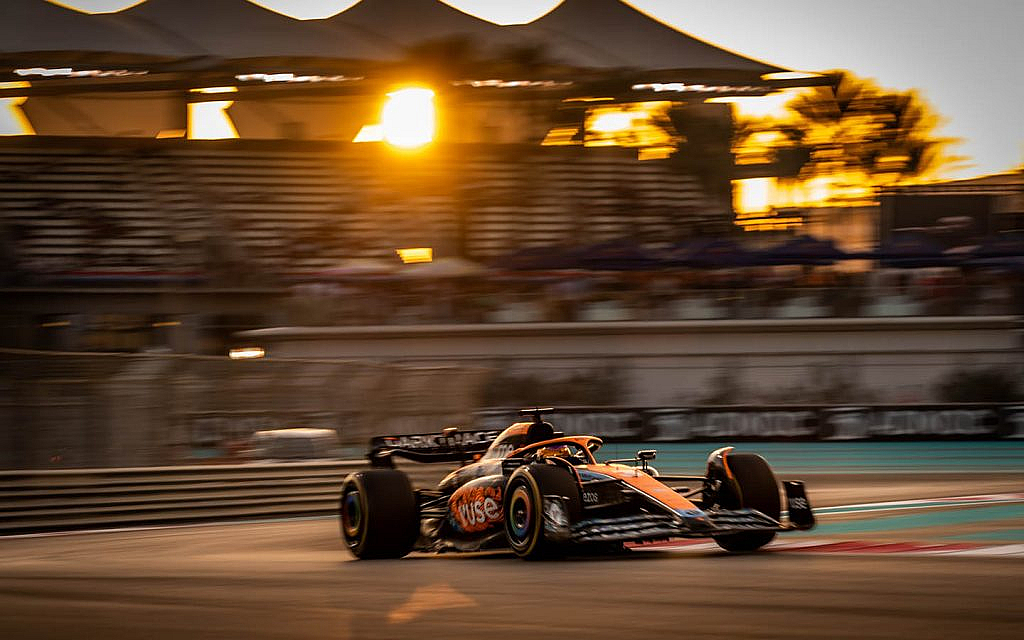
Entering the 1980s, McLaren made another noteworthy achievement. It introduced an F1 car with all of its body made with carbon fibre. The McLaren MP4/1 set a new precedent for the use of carbon fibre monocoque in automobiles. Previously, this material was only used in the aviation and aerospace industries. Lamborghini’s carbon fibre monocoque is also a similar innovation, allowing cars to be lightweight and more performance-oriented.
1985 – McLaren Enters the Production Car Market
After enjoying decades of success in motorsports, McLaren introduced its production vehicle division. After a few years of working on automotive prototypes and testing, McLaren produced McLaren F1. It was the company’s first road car.
1992 – Birth of the Legendary McLaren F1
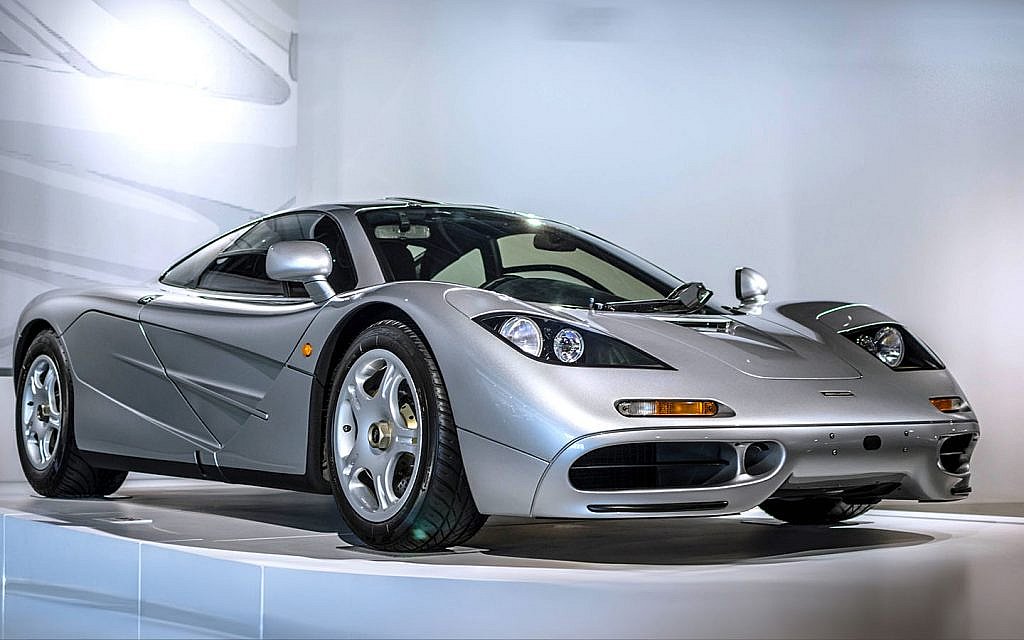
Introduced in 1992, the McLaren F1 packed a V12 engine churning out 627 hp. As a performance powerhouse, the car was capable of going from 0 to 100 km/h in just 3.2 seconds. The automaker bagged significant achievements in the history of McLaren F1.

With such sprinting capabilities, McLaren F1 was giving a hard time to many of its competitors. Such historic models set a benchmark for many of the fastest production cars today.
2000s – A Phase of Trial and Testing
McLaren also made a brief contribution to the history of Mercedes-Benz. The British and German automakers came together for the production of Mercedes-Benz 300 SLR McLaren. The car was produced from 2003 to 2010. McLaren Cars was replaced by McLaren Automotive in 2010.
McLaren Automotive was focused on the production of sports cars. Later, it was merged into the McLaren Group, a British holding company with a larger footprint. Moreover, the subsidiaries of McLaren Automotive include the McLaren GT and McLaren Special Operations.
2011 – McLaren MP4-12C Goes Back to the Roots
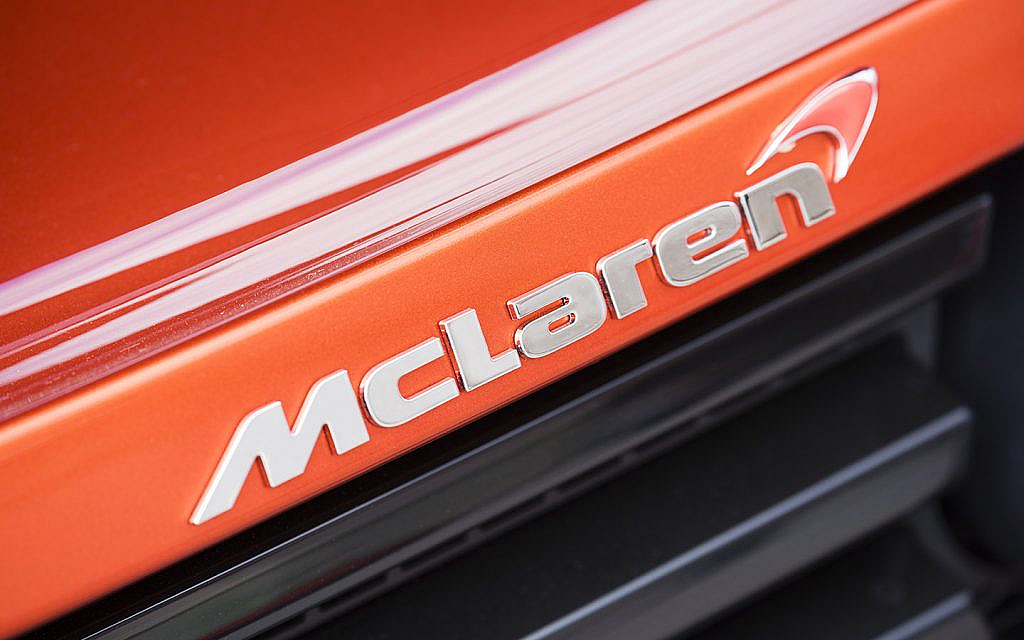
McLaren took nearly two decades to release its second production car. The MP4-12C shared similarities with the McLaren F1 cars. It had the carbon fibre monocoque, pioneering the carbon-chassis structure concept in its segment. The production of the MP4-12C reflected the deep-rooted McLaren racing history
The car infotainment features of the McLaren MP4-12C were quite revolutionary for the time with a touchscreen display. Under the hood, it was powered by a 3.8-litre V8 engine. Given such noteworthy features, this McLaren production car was well received. The GT and Spider (Convertible) models of the MP4-12C were also introduced in the following years.
2014 – McLaren P1 Makes Its Debut
The introduction of the McLaren P1 model hinted at the continued evolution of automotive design. It set a new trend for the overall McLaren design and visual characteristics. This trend was followed by many of its successor models.
McLaren P1 also had an electric motor, the purpose of which was to offer a performance boost while offering fuel efficiency. With such dramatic innovations, the history of McLaren P1 intrigues enthusiasts.
2015 – 650S Joins the Production Line-up
Sharing the same architecture, the successor of the MP4-12C, the McLaren 650S was introduced in 2015. It was followed by the 625C and 675LT models. However, just a couple of years later, all three models were replaced by the McLaren 720S. It was an upgrade in myriad aspects.
The car featured a 4.0-litre V8 engine that could produce a whopping 710 hp. Note that the successor of the 720S is the McLaren 750S. It is currently offered in the McLaren supercar line-up in the UAE.
2018 – McLaren Unveils Its Hypercar
With significant experience in speed and performance, McLaren introduced the Senna nameplate. The brand claimed it as its “fastest ever track-focused road hypercar.” The car revved on a 4.0-litre twin-turbocharged V8 engine that churned out 789 hp with its massive power. The hypercar delivered a notable straight-line acceleration, going from 0-100km/h in just 2.8 seconds.
McLaren Today – The Innovation Continues

Introducing new themes for its popular nameplate and launching hybrid-electric vehicles, McLaren has a progressive approach. The launch of the MSO Spectrum Theme for McLaren 750S was a noteworthy example in this regard.
Similarly, McLaren’s Artura nameplate is also widely acclaimed. It is a high-performance hybrid-electric supercar with incredible sprinting capabilities. The McLaren Artura Spider presents the nameplate as a convertible. It is a prominent development in the McLaren automotive history.
The Artura Spider is set to release in 2025 and packs advanced hybrid technology. McLaren continues to innovate to establish a presence in a sustainable mobility future. A similar approach has been adopted by many other automakers in recent years.
FAQs
What is the meaning of the McLaren logo?
According to the history of the McLaren logo, it means ‘speed’ and ‘agility’.
What was the first McLaren production car?
The first production car by McLaren was the legendary McLaren F1. Similarly, McLaren produced its first road car, the McLaren MP4-12C, in 2011.
What is McLaren’s origin country?
McLaren was founded and headquartered in the UK. However, the company’s founder, Bruce McLaren hailed from New Zealand.
There you have it – a comprehensive walkthrough of the McLaren history. The diversified timeline reflects the evolution of McLaren from a motorsports company to a revered auto manufacturer. With a journey of more than six decades, McLaren marked its 60th anniversary recently. To commemorate the occasion, the automaker introduced the McLaren 750S with a 3-7-59 Theme by MSO.
The pre-owned market offers many decent options to those who fancy owning a McLaren. To explore the available options, browse these used McLaren cars for sale in the UAE.
To learn more about the history of your favourite car brand, keep following dubizzle’s auto blog.
Related Posts