A clutch fluid is among the essential car fluids needed for a smooth clutch operation. It transmits the force from the clutch pedal to engage and disengage the clutch, allowing gear shifts. Without adequate fluid, the hydraulic pressure needed to operate the clutch diminishes, leading to performance issues.
That is why, it is crucial to recognise the symptoms of low clutch fluid. It helps prevent serious damage to the clutch system and avoids expensive repairs. Let’s take a look at some common symptoms.
Low Clutch Fluid Symptoms
A low clutch fluid can show various signs, indicating potential issues within the hydraulic clutch system. It may occur due to leaks in the master or slave cylinder or simply from not maintaining the correct fluid levels. Let’s take a look at some symptoms which indicate why this essential car fluid must be refilled.
A Grinding Noise in Gears
A grinding noise in gears due to low clutch fluid is a sign that the hydraulic system isn’t providing enough pressure to fully disengage the clutch. When the car clutch doesn’t disengage properly, the gears struggle to synchronise. It causes a grinding sound during shifts, especially when moving into first gear or reverse. This can be caused by low fluid levels, which reduce the efficiency of the clutch mechanism.
Resistance When Changing Gears

Resistance when changing gears occurs because the hydraulic pressure needed to disengage the clutch effectively is insufficient. When the clutch fluid level drops, it reduces the system’s ability to separate the clutch plate from the car flywheel. This results in increased friction between the gears as they try to engage, causing resistance when shifting.

This problem makes gear changes feel rough and imprecise. It also leads to difficulties in driving and increased wear on the transmission components. To reduce the overall strain on the transmission parts, drivers can also opt for double clutching.
Sluggish Gearing
Another sign of low clutch fluid is sluggish gearing. Sluggish gearing happens when the hydraulic pressure required to operate the clutch system is inadequate. Without sufficient fluid, the clutch may not fully disengage when the pedal is pressed. It causes a delay or sluggish response when shifting gears.
This lack of proper disengagement leads to a hesitant or sluggish feeling as the gears struggle to align and engage smoothly. As a result, the vehicle may experience a slip in car transmission and transitions between gears.
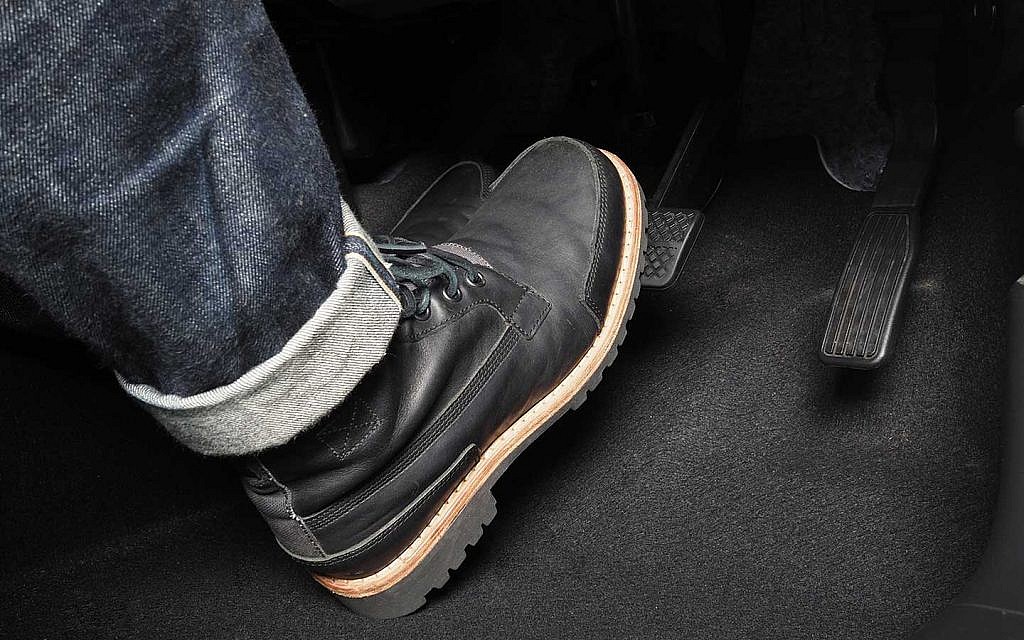
Soft or Spongy Clutch Pedal
A soft or spongy clutch pedal is a common sign of low clutch fluid, indicating that the hydraulic system is not functioning correctly. When the clutch fluid level is low, it reduces the hydraulic pressure needed to operate the clutch effectively.
When this happens, the pedal may feel unusually soft or spongy underfoot. It may lack the firm resistance that is usually experienced.
Vibration in Gearing Shifts
When the clutch does not disengage completely, it causes the gears to clash or struggle to mesh properly. This results in vibrations or shuddering during gear shifts, as the transmission components experience additional stress and friction.
The inconsistent engagement and disengagement of the gears lead to a noticeable shaking or vibrating sensation. It is also a sign that your vehicle has a bad car clutch which might happen due to low fluid levels.
Lurching When Shifting Gears
When experiencing lurching during gear shifts, low clutch fluid may be an underlying cause. This occurs because insufficient hydraulic pressure prevents the clutch from disengaging fully when the pedal is pressed.
As a result, the gears may not align smoothly. It causes the vehicle to lurch or jerk as it attempts to transition from one gear to another. This abrupt motion can lead to potential damage over time and also create problems in changing gears.
HOW TO REFILL CLUTCH FLUID
Now that we know the common symptoms, here’s how to check clutch fluid and refill it.
Moreover, refilling clutch fluid is a straightforward process to ensure your clutch system functions properly.
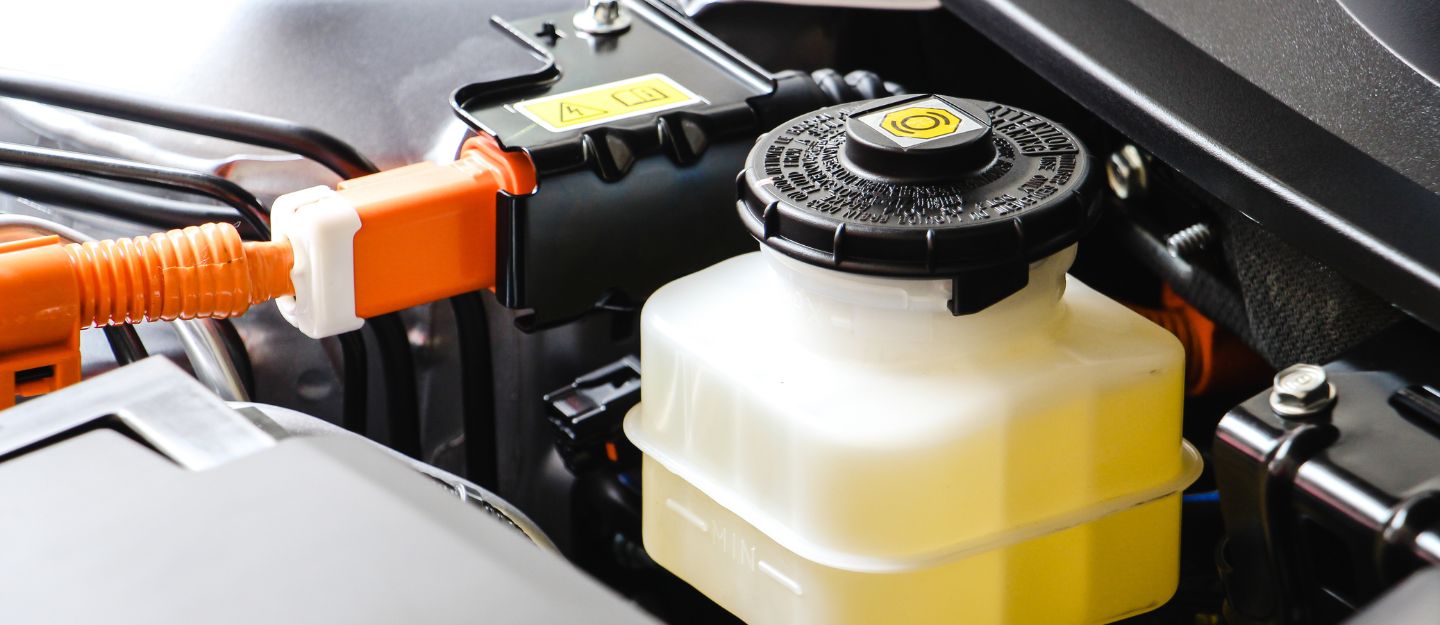
- First, locate the clutch fluid reservoir, typically found near the clutch pedal and marked with a ‘clutch’ label.
- Check the fluid level to see if it’s below the ‘Min’ line.
- If it is, you’ll need to add more fluid.
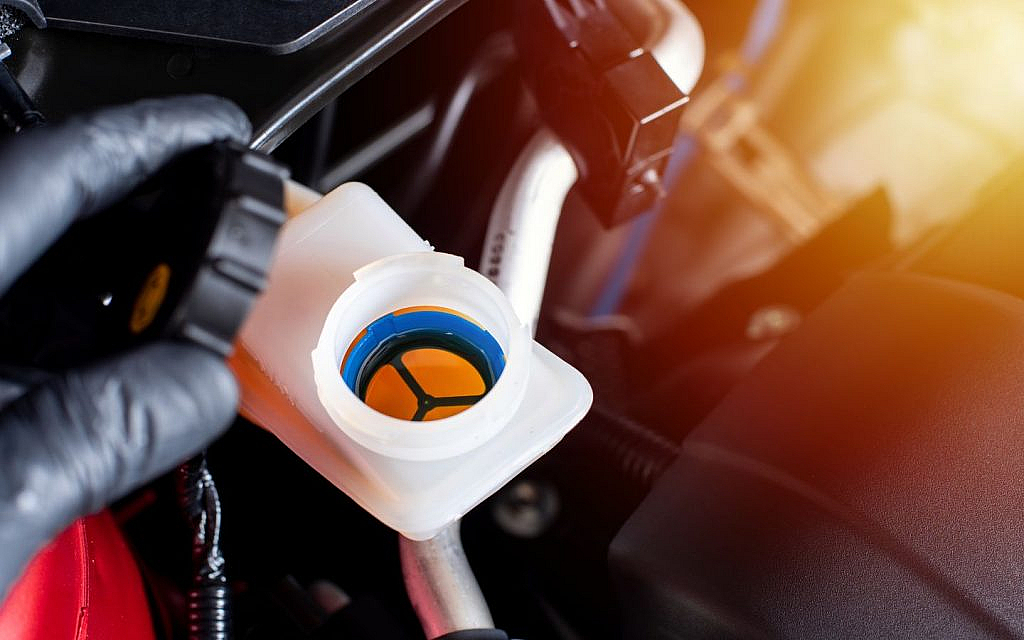
- Use the recommended type of fluid, usually DOT 3 or DOT 4 and pour it into the reservoir carefully.
- After adding fluid, you may need to bleed the clutch system to remove any air bubbles that could affect performance.
- Finally, secure the reservoir cap tightly to prevent contamination. Always read your vehicle’s manual for specific instructions and fluid recommendations.
FAQs
What happens when you’re low on clutch fluid?
When you’re low on clutch fluid, the clutch may not fully disengage. It can cause difficulty in shifting gears and a spongy or soft pedal feel.
How do you know if you need clutch fluid?
You need clutch fluid if you experience difficulty shifting gears, a soft or spongy clutch pedal or fluid leaks around the clutch system.
Will low clutch fluid cause the pedal to go to the floor?
Yes, low clutch fluid can cause the brake pedal to go to the floor, as it reduces hydraulic pressure, preventing the clutch from fully disengaging.
These were some of the common symptoms of low clutch fluid. If you notice any of the aforementioned symptoms, it is advisable to seek immediate professional assistance. However, if your car is encountering issues time and again, it’s time for a new ride. For that, take a look at these new cars for sale in the UAE that offer a plethora of choices under various price points.
To learn more about different car problems and their symptoms, keep reading dubizzle’s Autos blog.
Related Posts