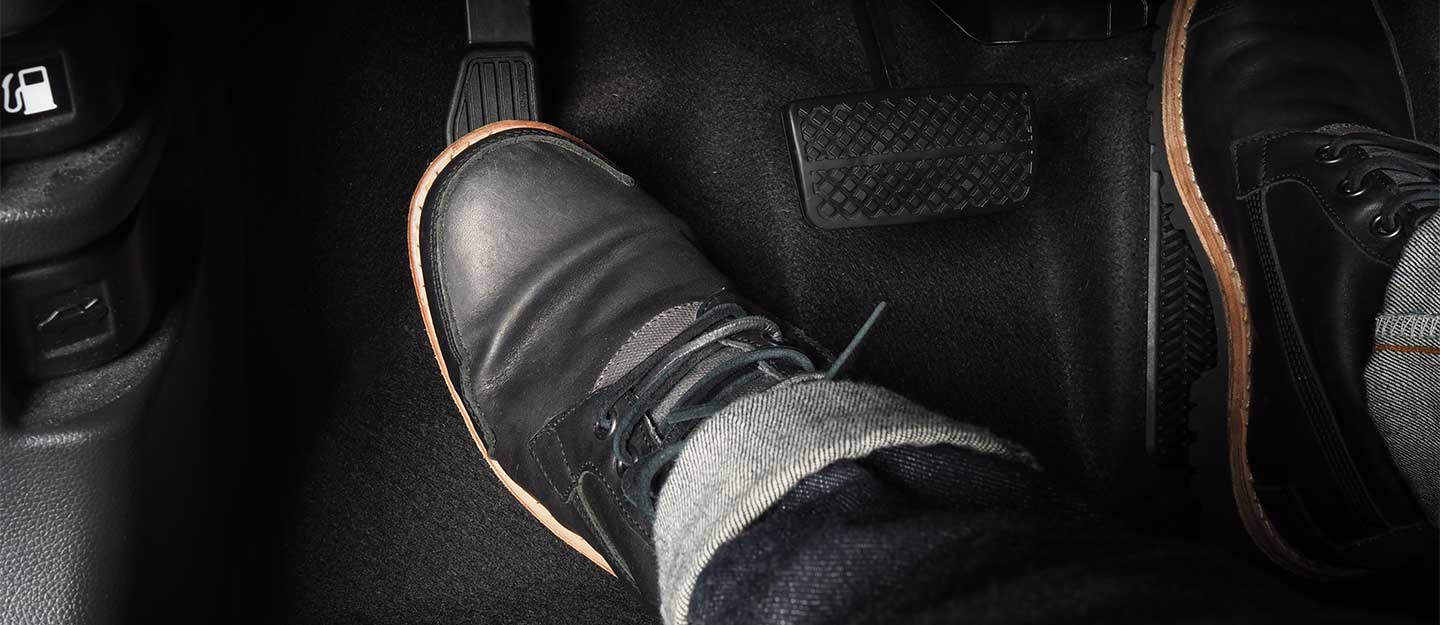
Several driving techniques add more to the vehicle riding experience. These techniques provide additional power and enhance vehicle performance. Speaking of performance-enhancing driving techniques, double clutching is a rather well-known practice among car enthusiasts. Applicable to manual transmission vehicles, the technique enhances car performance in several ways. We will do a detailed overview of double clutching, see its benefits and find out how it improves vehicle performance.
What is Double Clutching

Conventional gear changing includes one-time disengagement of the clutch. However, when double clutching, drivers disengage the car clutch twice. The depression of the clutch takes place while putting the shifter to neutral and then again when engaging the following gear.
The technique is only applicable to manual transmission vehicles. Once applied, drivers experience a more controlled shift. Additionally, the practice helps increase the durability of engine components and transmission.
How Does Double Clutching Work
Double clutching uses three car systems – the clutch, the engine and the transmission. A car’s engine produces power and transmits it to the transmission. The transmission then sends the power to the wheels and makes the vehicle mobile.
When drivers change gears in a manual car, the transmission synchronisers come into play. They match the speed of the existing gear to the next one. However, the transmission synchronisers fail to match the speed if the speed difference is huge. Consequently, gears can grind against each other. Moreover, this can lead to a rough shift.

Double clutching allows the transmission to match the speed of the next gear. This relieves the stress on the synchronisers. Additionally, engine components do not experience premature wear.
How to Double Clutch
Double clutching enhances the driving experience. However, it involves the working of several parts like the clutch and transmission shaft among others. Therefore, it is important to be cautious when using this technique.
Listed below is the double clutching process.
- Press the clutch pedal
- Place the shifter in neutral
- Release the car clutch
- Tap the throttle
- Press the clutch pedal again
- Put the shifter into third gear
- Release the clutch pedal
Benefits of Double Clutching

Detailed below are some of the benefits of double clutching.
CONTROLLED SHIFT
Drivers can experience a more controlled shift. Heavy vehicles like trucks, in particular, can benefit from this technique as gear shifts can be hard.
REDUCED STRAIN ON PARTS
The technique also reduces strain on vehicle parts. For instance, drivetrain components and transmission parts. Consequently, this helps to avoid premature deterioration.
PROLONGED COMPONENT LIFE
Reduced strain increases the life of components. Mainly, the gearbox and other transmission parts. This ensures the vehicle remains in pristine condition for a longer duration.
FAQs
What is the Purpose of Double Clutching?
It allows smooth downshifting of gears and enhances the driving experience. Additionally, car parts deliver longevity with reduced stress.
Does Double Clutching Make You Faster?
Yes, it does in a way. The technique allows faster acceleration and better control.
Do Race Cars Drivers Double Clutch?

Yes, it is a popular technique on the racing circuits. Race car clutches are different from the conventional vehicles. For instance, the car clutch of F1 racing is an upgraded version.
There you have it, double clutch meaning, benefits and more. This driving practice, available in manual cars, is beneficial in several ways. However, it is not a necessity. Components like a sequential gearbox enhance the gear-shifting experience in automobiles.
Here are some manual car driving tips to ensure a hassle-free experience. If you are on the lookout for a manual car with modern specs, there are plenty of options to choose from. Browse through these new cars for sale in the UAE to select your next ride.
Stay connected with dubizzle’s auto blog to learn about double clutch transmission and more.
Related Posts