Traffic lights are an important part of road systems worldwide. They manage traffic flow, reduce accidents and ensure safety. Their journey started in 1868 with a gas-powered light in London. Over time, these simple devices evolved into advanced systems powered by technology. Using artificial intelligence, traffic lights have changed significantly from manual operation to smart signals. This evolution of traffic lights reflects technological advancements and the growing need for efficient traffic management. Understanding their history reveals how they became essential for modern transportation.
All About Traffic Lights
The history of traffic lights has been an important part of urban traffic management till today. Here’s how it all started.
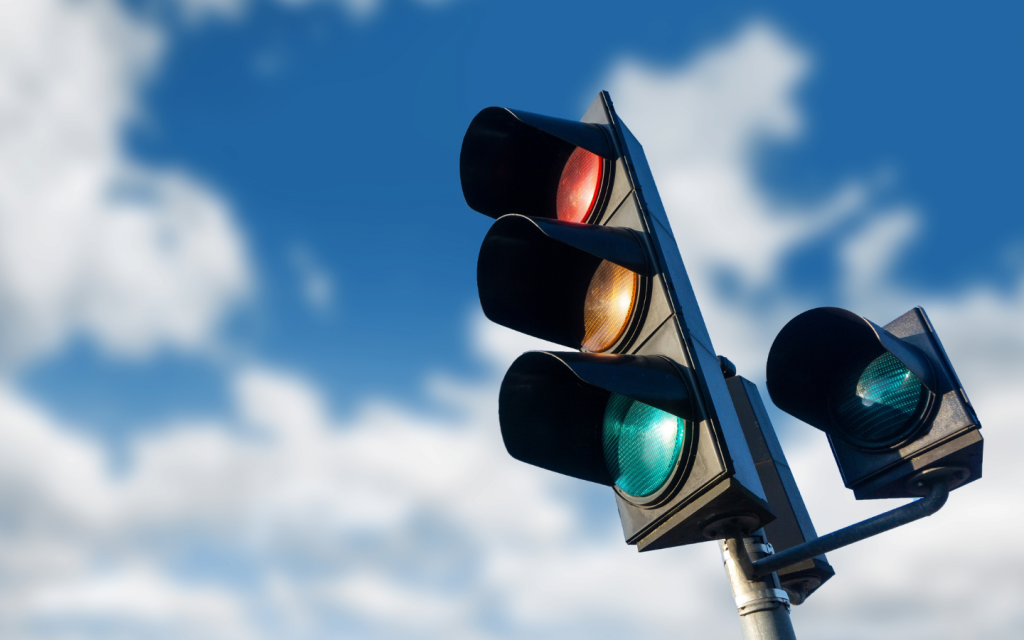
The Beginning: The First Traffic Light
The first traffic light appeared in 1868. It was gas-powered and manually operated. A police officer used levers to change the signals. It had two arms, one for ‘Stop’ and another for ‘Caution.’ At night, red and green gas lamps were used.
The design had safety concerns and in 1869, a gas leak occurred. This incident halted the further use of gas-powered traffic lights due to the road hazards it created. However, the concept had already taken root.
The Electric Era
In 1914, the first electric traffic light was installed. It had red and green lights and a buzzer to alert drivers. This system was much safer than gas-powered lights, offering more control over traffic flow. It marked the beginning of modern traffic signals, with electric power replacing gas to ensure reliability and efficiency. The system’s installation helped reduce accidents and improve urban traffic management.
In 1920, the three-colour system was introduced: red, yellow and green. This was a major step forward in traffic control, with the yellow light added to warn drivers about the upcoming signal change, giving them time to react. The new system helped improve safety, reduce confusion and smooth traffic flow.

Automatic Traffic Lights
The 1920s also saw the introduction of automatic traffic lights, which no longer required a police officer to operate. Instead, timers changed the signals, allowing continuous and consistent traffic flow.
Automatic lights made traffic control more efficient, especially in busy cities where high traffic volumes made manual operation impractical. By the 1930s, many cities worldwide had adopted this system. The shift to automatic signals was key in modernising traffic management systems globally.
The Evolution of Traffic Light Design
Early traffic lights were mounted on poles at the side of the road. However, drivers often found them hard to see. To solve this problem, overhead signals were introduced in the 1920s. These signals hung above intersections, making them more visible.
The shapes of lights also evolved. Early designs used circular lenses for all signals. Later, arrow-shaped lenses were introduced. These arrows indicated specific directions, such as left or right turns.
Traffic Lights and Pedestrians
Pedestrian crossings became more common in the mid-20th century and traffic lights were adapted to include pedestrian signals. The first pedestrian crossing light used words like ‘Walk’ and ‘Don’t Walk’ to guide pedestrians.
Later designs replaced the words with symbols, making the signals universally understood. A green figure indicated it was safe to cross, while a red figure meant ‘Wait.’ These changes made pedestrian signals easier to understand for everyone, including non-English speakers, enhancing safety and accessibility for people of all backgrounds.
The Role of Computers
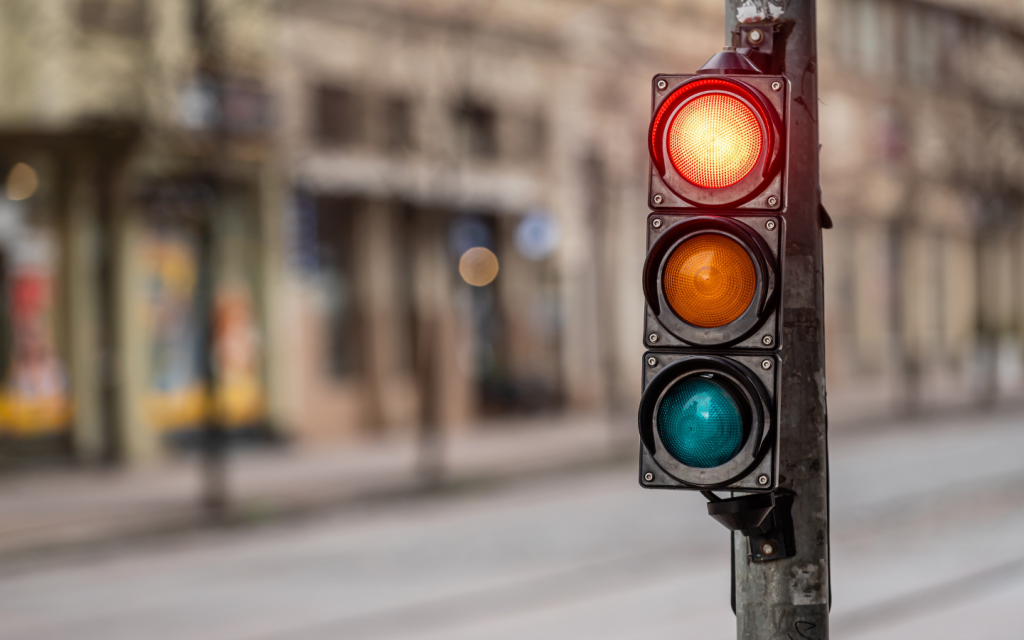
In the 1950s and 1960s, computers began to play a role in traffic management. Traffic lights became part of larger systems. These systems coordinated signals across entire cities. This traffic light technology improved traffic flow and reduced congestion.
By the 1970s, sensors were added to traffic lights. These sensors detected vehicles at intersections. They adjusted signal timings based on traffic volume. This innovation made traffic management more dynamic.
Modern Traffic Lights
Modern traffic lights are highly advanced. Many use LED lights, which are brighter and more energy-efficient. LEDs also last longer than traditional bulbs. They are better for the environment and reduce maintenance costs. As times have evolved, most traffic signals have integrated traffic cameras in the UAE to catch violators.
Smart traffic lights are now common in many cities. These systems use artificial intelligence (AI) and real-time data. They can adapt to changing traffic patterns instantly. For example, they can prioritise emergency vehicles or reduce delays during rush hours.
Traffic Lights and Accessibility
Accessibility is a key focus of modern traffic lights. Many now include audible signals for visually impaired pedestrians. These signals use beeping sounds or voice instructions. Some lights also have tactile features, such as vibrating buttons. For example, the SCOOT traffic control system in the UAE optimises traffic flow by adjusting signal timings in real time based on traffic conditions.
Accessible traffic lights make roads safer for everyone. They ensure that all road users can navigate intersections safely regardless of ability.
FAQs
Why was the yellow light added to traffic signals?
The yellow light was added in 1920 to warn drivers about signal changes. It helps reduce confusion and improves safety.
How do modern traffic lights work?
Modern traffic lights use sensors and computers. They adjust timings based on traffic flow and conditions. Many also use LED lights for better efficiency.
What are smart traffic lights?
Smart traffic lights use AI and real-time data. They adapt to changing traffic patterns and prioritise certain vehicles, like ambulances. You should also explore the traffic radars in the UAE that help monitor the traffic and ensure safety.
How do traffic lights assist pedestrians?
Traffic lights for pedestrians use signals like green or red figures. Many also include audible instructions for visually impaired individuals.
That was all about the traffic light invention. Traffic lights have come a long way since 1868. They started as simple gas-powered systems and evolved into smart, AI-driven tools. Modern traffic lights are safer, more efficient and accessible. To be a responsible driver, you must also know the traffic signs in the UAE and adhere to traffic laws. They play an important role in road safety and traffic management. As technology advances, traffic lights will continue to adapt. They will remain a key part of our daily lives.
As traffic systems evolve, finding reliable transportation has become important. You can explore several used cars for sale in the UAE to find safe transportation for your upcoming journeys.
For more such interesting information, stay tuned to UAE’s leading auto blog.
Related Posts