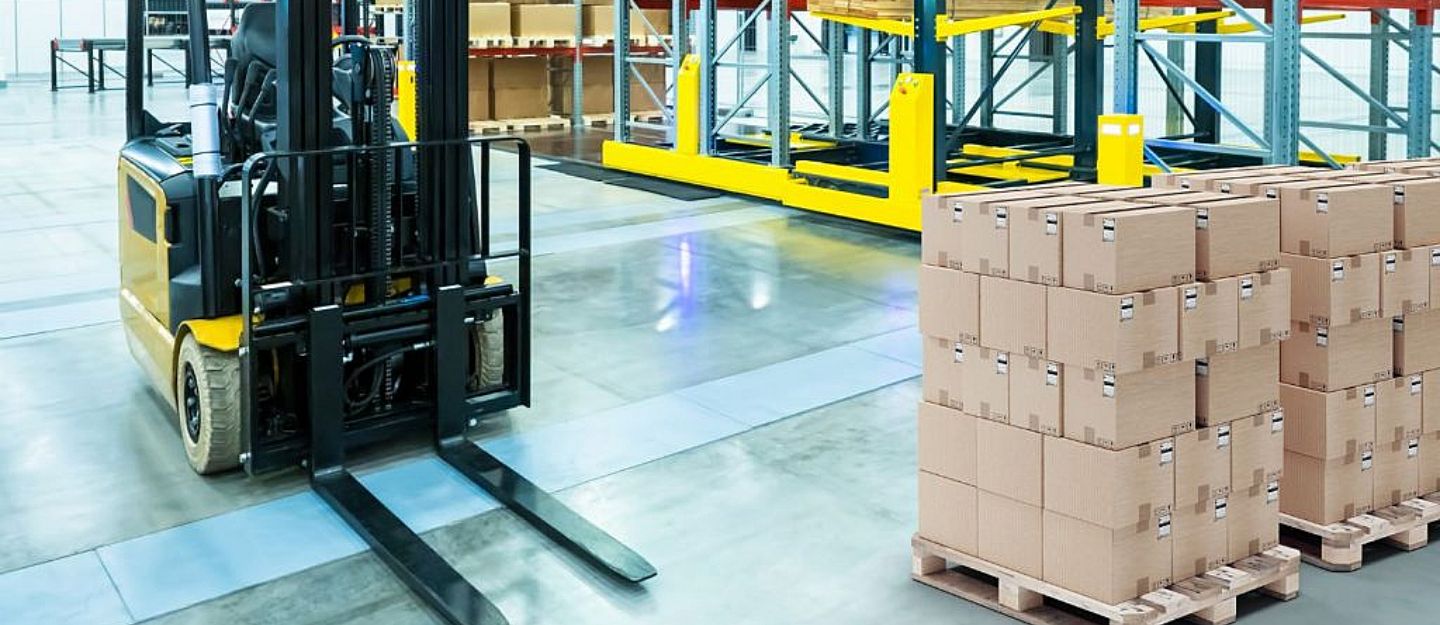
Forklift trucks are essential material-handling machines widely used across industries where heavy lifting and efficient movement of goods are required. From warehouses and factories to construction sites and ports, they help streamline operations that would otherwise depend on time-consuming and physically demanding manual labour. Their design varies widely, allowing them to perform in controlled indoor environments as well as tough outdoor conditions.
Because different industries have different handling needs, forklifts are built in multiple types, sizes and power systems. Each version is designed to improve safety, speed and efficiency in specific working environments.
What is a Forklift?
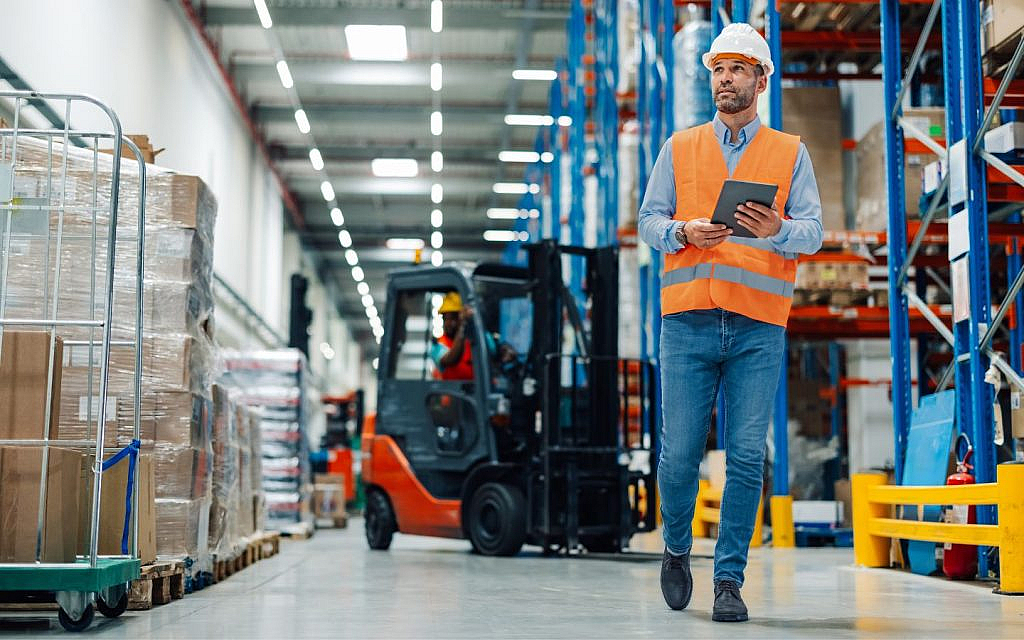
A forklift is a compact industrial vehicle equipped with two metal forks at the front. The forks slide underneath pallets, containers or heavy goods so the machine can lift and transport them safely.
Most forklifts are powered either by electric batteries or internal combustion engines that run on diesel, gasoline or propane. The type of power source usually depends on where the forklift will be used. Electric forklifts are commonly used indoors because they produce zero exhaust emissions, whereas diesel and gas-powered forklifts are for outdoor and heavy-duty applications.
Forklifts are available in different lifting capacities and designs to suit specific industries and working environments. However, proper operation and adherence to forklift safety practices remain essential for maintaining workplace safety and operational efficiency.
Main Parts of a Forklift
A forklift consists of several key components that work together to lift and transport materials safely:
Truck Frame
The truck frame is the main structure of the forklift. It supports all major components, including the mast, wheels, engine and counterweight.
Mast
The mast is the vertical lifting assembly responsible for raising and lowering loads. Some forklifts have simple two-stage masts, while others use extended multi-stage masts for higher lifting heights.
Forks
Forks are the metal arms used to lift and carry materials. Their length and width can vary depending on the load type.
Carriage
The carriage is attached to the mast and supports the forks while allowing vertical movement.
Counterweight
Located at the rear of the forklift, the counterweight balances the load being lifted at the front and helps prevent the machine from tipping forward.

Power Source
Forklifts may use electric batteries, fuel cells or internal combustion engines depending on the application.
Tyres
Forklifts use different tyre types based on the operating surface:
- Cushion tyres for smooth indoor floors
- Pneumatic tyres for rough or outdoor terrain
Working Principle of a Forklift
Forklifts operate through a combination of hydraulic power and mechanical systems.
Hydraulic System
The lifting mechanism works through hydraulic cylinders filled with pressurised fluid. When the operator activates the controls, hydraulic pressure pushes the pistons upward, lifting the forks and the load attached to them.
Pulley and Chain Mechanism
Chains and pulleys connected to the mast help transfer lifting force and guide the forks upward or downward smoothly.
Stability and Counterbalance
A forklift relies heavily on balance. The counterweight at the rear offsets the weight being lifted at the front. Operators must stay within the forklift’s load capacity to maintain stability and avoid tipping.
Controls and Steering
Most forklifts use rear-wheel steering, which allows tighter turning in narrow spaces such as warehouse aisles. Operators use control levers to lift, lower and tilt the forks depending on the task.
Common Types of Forklifts
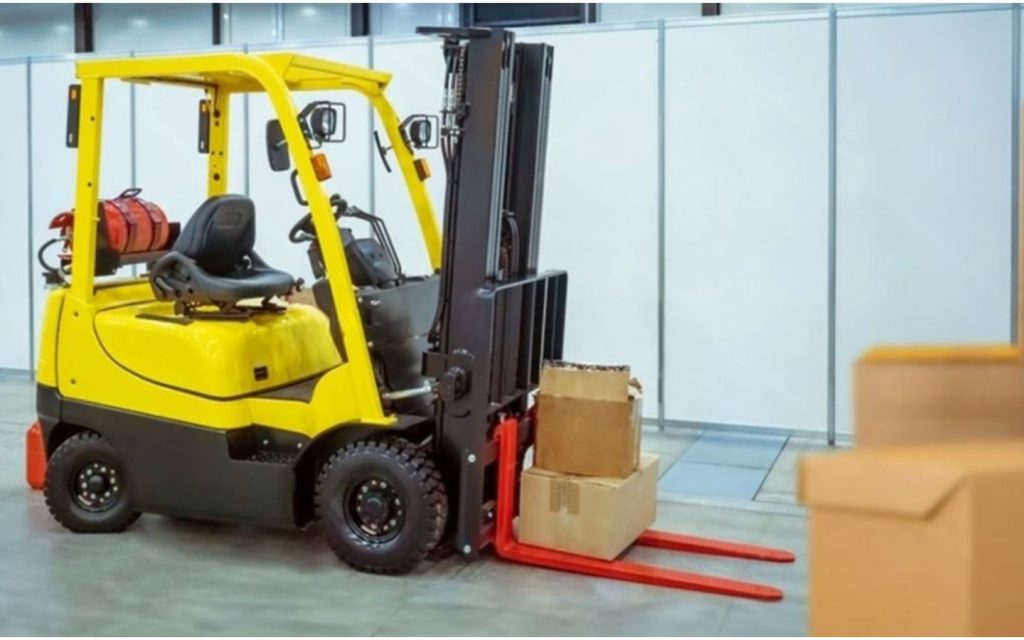
The following are some of the most common types of forklifts:
Counterbalance Forklift
Counterbalance forklifts are among the most commonly used forklift types. They feature forks at the front and a counterweight at the rear for balance.
These forklifts are relatively easy to operate and suitable for both indoor and outdoor applications.
Common Uses
- Warehouse operations
- Truck loading and unloading
- General material handling
Reach Truck
Reach trucks are designed for narrow warehouse aisles and tall storage racks. Their forks can extend forward to reach deep storage areas.
Common Uses
- High-rack storage
- Indoor warehouse operations
- Space-efficient storage facilities
Rough Terrain Forklift
Rough terrain forklifts are built for outdoor environments with uneven surfaces. They use large pneumatic tyres and reinforced frames for stability.
Common Uses
- Construction sites
- Lumber yards
- Uneven terrians
Telehandler
A telehandler combines forklift functionality with a telescopic boom that extends forward and upward. It offers greater reach than standard forklifts.
Common Uses
- Construction lifting
- Agricultural work
- High or distant placement of materials
Pallet Jack
Pallet jacks are compact forklifts designed mainly for moving pallets over short distances. They may be manual or electric.
Common Uses
- Warehouses
- Retail stockrooms
- Loading docks
Side Loader Forklift
Side loaders lift materials from the side rather than the front, making them ideal for handling long loads in narrow spaces.
Common Uses
- Timber and pipe handling
- Narrow aisle transport
- Steel yards
Walkie Stacker
Walkie stackers are compact lifting machines operated by a walking operator. They are commonly used for light-duty stacking tasks.
Common Uses
- Small warehouses
- Inventory organisation
- Low-level shelving
Uses of Forklifts
Forklifts are used across many industries because they improve speed, efficiency and safety during material handling operations.
Warehousing and Distribution
Forklifts help move inventory, stack pallets and organise storage systems efficiently.
Construction
They transport heavy building materials such as bricks, cement and steel across construction sites.
Manufacturing
Factories use forklifts to move raw materials, machinery and finished products between production areas.
Ports and Shipping Yards
Forklifts assist with loading and unloading cargo containers and transporting goods within shipping facilities.
Retail and Logistics
Large retail and logistics operations use forklifts for inventory handling and supply chain operations.
FAQs
What is a forklift used for?
A forklift is used to lift, move and transport heavy materials safely over short distances.
How does a forklift work?
A forklift works using hydraulic systems and counterweights to lift and carry loads.
What is a counterbalance forklift?
A counterbalance forklift is a forklift that uses a rear weight to balance loads lifted at the front.
Forklifts are essential industrial machines used to lift, move and transport heavy materials safely and efficiently. With different forklift types available for specific applications, businesses can choose equipment that matches their operational needs, lifting requirements and working environment.
Understanding how forklifts work, where they are used and which type suits a specific task can help improve productivity, reduce downtime and support safer material-handling operations across industries. Various forklifts for sale in the UAE are available to match different lifting capacities, operating environments and business requirements.
Keep reading dubizzle’s auto blog to learn more about different kinds of equipment in the automobile industry.
Related Posts