
Maintaining oil levels and pressure is a crucial part of vehicle maintenance. An oil pressure sensor is there to gauge oil level and pressure and warn about any issues in this regard. It is a small but significant part of a vehicle. In order to make sure it’s working properly, you need to learn all about how it works and when it needs a repair or replacement. This guide will cover all that and more about oil pressure sensors.
What is an Oil Pressure Sensor and How it Works
The oil pressure sensor, also known as oil pressure sending unit, keeps a check on oil levels in the engine. Without an adequate amount of oil, the engine is unable to work efficiently and smoothly. Running the vehicle on low engine oil or bad oil can result in excessive wear and tear. It is also bad for the fuel economy of the car.
In case of low engine oil pressure, the sensor signals a warning light in the dashboard. This helps the driver to take proactive measures and fix the problem. Since the oil pressure sensor plays a vital role to keep the vehicle moving, it is important to make sure that it is functioning properly.
Symptoms of a Bad Oil Pressure Sensor
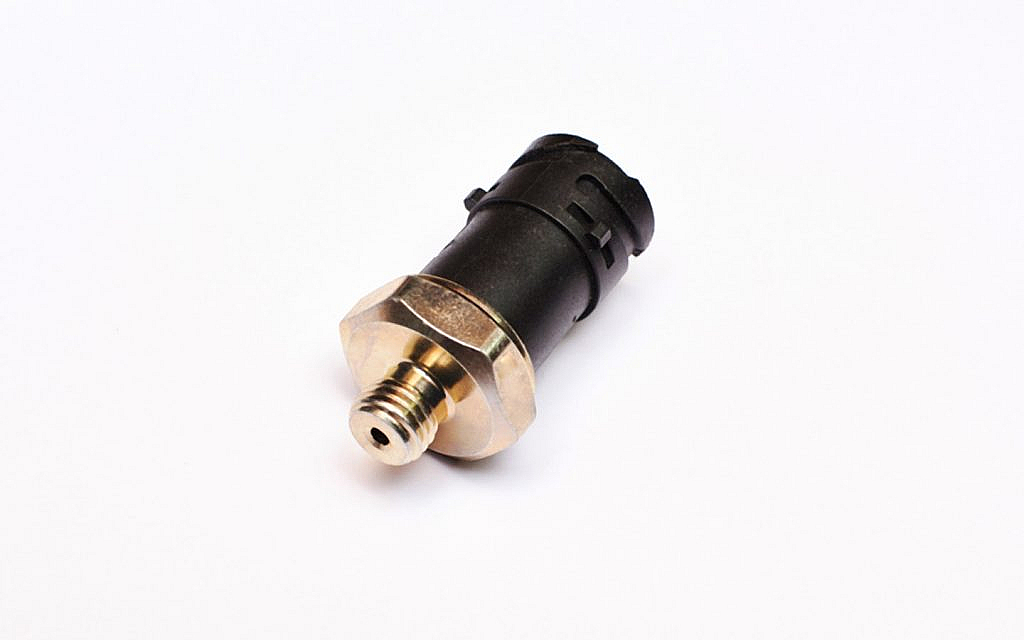
Listed below are some of the common symptoms of a bad oil pressure sensor that will help you learn when to replace the oil pressure sensor or repair it.
Constant Blinking of Oil Pressure Light on the Dashboard
Modern cars have oil pressure lights on the dashboard. This engine’s oil light on indicates low oil in the engine. Check the oil level manually. If the oil level is fine despite the blinking light, that’s an indication of a bad sensor.
Incorrect Reading Indication on the Oil Pressure Device
Old vehicles feature a mechanical gauge that measures the oil pressure. If the oil levels are accurate but the mechanical device shows zero, check oil pressure sensor wiring or replace the sensor if required.

Oil pressure devices in new vehicles show an electronic signal when oil level isn’t enough. However, if the oil pressure sensor is not functioning properly, the device will show zero, full or other strange readings. This could also be because of a wiring issue or bad oil pressure sensor. In case of faulty sensors, you will have to replace the part.
Warning Light is On in the Oil Pressure Gauge
A failing engine oil pressure sensor can often be identified when the oil pressure warning light on the dashboard stays on or flashes, even if oil levels are normal. The warning lights automatically turn on if the sensor detects low oil levels. However, if the light is on and your vehicle’s engine is not working properly, then this could be one of the symptoms of a bad oil pressure sensor.
Moreover, if the engine is making noise and there are grinding and other abnormal sounds despite having proper oil levels, then the issue is with oil pressure. The sensor might be working fine, but the defective oil pump could be the culprit.
As a result, the readings on the car oil pressure gauge may exceed the specified range that may turn on the warning light. This is a sign of a bad oil pressure sensor. In such a case, it is highly recommended to replace your vehicle’s sensor.
Engine Noises
Sometimes, a bad oil pressure sensor may fail to alert you to actual low oil pressure conditions. Low oil pressure can cause insufficient lubrication, resulting in car noises like knocking or ticking. If these sounds occur alongside sensor issues, it’s important to investigate immediately.
Decreased Engine Performance
In rare cases, a faulty oil pressure sensor can indirectly affect engine performance. The engine control unit may enter a protective mode or limit performance if it receives incorrect oil pressure data, aiming to prevent engine damage.
Analysing the Oil Pressure Sensor Light
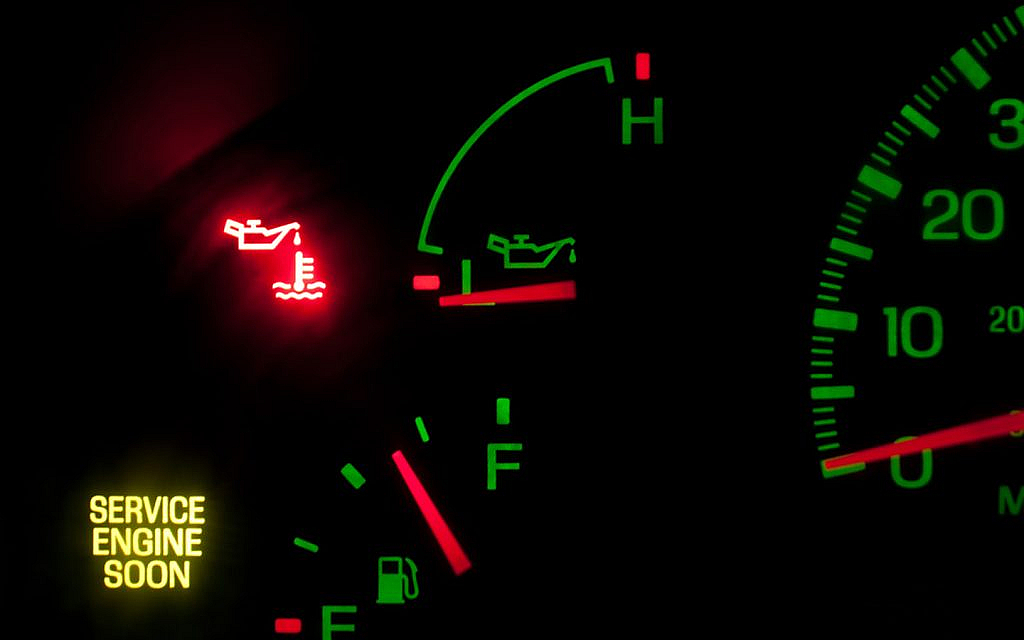
You should consider replacing an oil pressure sensor for a number of reasons. When the oil pressure sensor light starts functioning abnormally, it is time to analyse the situation. Here are a few key points detailed below when you need to keep a check:
- If you have filled oil in your vehicle up to the accurate level but the oil pressure sensor light turns on, then there could be a problem with the oil pressure sensor. Besides, while driving your vehicle if the oil pressure sensor light keeps turning on and off, then the sensor isn’t working. Therefore, it is recommended that you always examine the oil level in your vehicle whenever the sensor light turns on, as this might be the indication that you need to replace the oil pressure sensor.
- When the engine is at rest and the oil pressure sensor light turns on, it means oil levels are very low. The sensor light at this point should remain off, but if it’s on then replacing an oil pressure sensor could be the right solution.
When you hear a loud ticking noise and the oil pressure sensor light is on, then you must stop your vehicle as this indicates usage of wrong car oil. This will save you from severe car engine damage. However, a bad oil pressure sensor is not necessarily the reason in this case. It could be a sign of low oil levels. In this case, if you have already filled up oil and still get a low car oil pressure warning, then it may be a leak in the line.
FAQs
Is oil pressure switch same as Oil Pressure Sensor?
No, a pressure sensor continuously measures and reports pressure levels, while a pressure switch simply activates or deactivates a circuit when pressure crosses a set threshold.
What Happens When Your Oil Pressure Sensor Goes Bad?
When the oil pressure sensor goes bad, the driver will be misinformed about the oil level in the vehicle. Driving on a lower oil level or with high oil pressure in cars can cause severe damage to the engine.
Will a Bad Oil Sensor Leak Oil?
Bad oil pressure sensors may cause oil leaks into the engine and may often fail to inform about low oil levels due to the leakage.
Will My Car Run Without an Oil Pressure Sensor?
No, the car may not run without an oil pressure sensor. When the sensor stops reading pressure, it will shut down the engine. It is there to monitor engine oil pressure.
How Do I Test an Oil Pressure Sensor?
You can test an oil pressure sensor with a multimeter.
That’s all there is to know about oil pressure sensors. If you need to replace a bad oil pressure sensor, you can buy it online from an auto accessories and parts store in the UAE or from a physical store. Make sure to let a professional or service centre handle the task. If you want to replace it yourself then make sure you have all the tools needed to change the oil pressure sensor.
Know about the different types of engine oils and use the one ideal for your vehicle to ensure engine longevity. Moreover, here are some engine oil myths busted to put all wrong theories to rest.
Browse through these new cars for sale in the UAE and some amazing vehicles with advanced features.
Stay tuned to dubizzle’s auto blog to learn about oil pressure monitoring system and other vital components.
Related Posts


