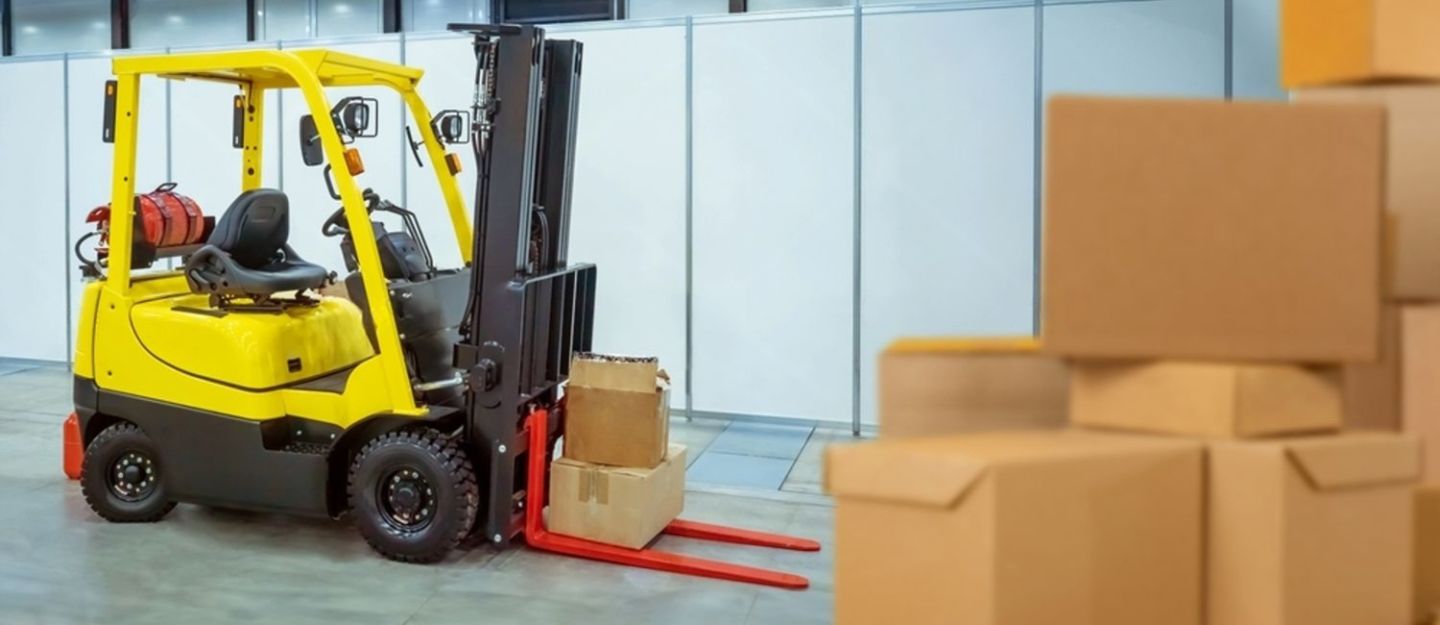
Forklifts are vital tools in warehouses, factories and construction sites. They assist in moving heavy loads efficiently and help keep operations running smoothly. Ensuring proper handling and awareness around forklifts is crucial for maintaining a safe and productive work environment. By knowing forklift safety tips, workers can improve efficiency and confidence while carrying out their tasks.
Forklift Safety Tips
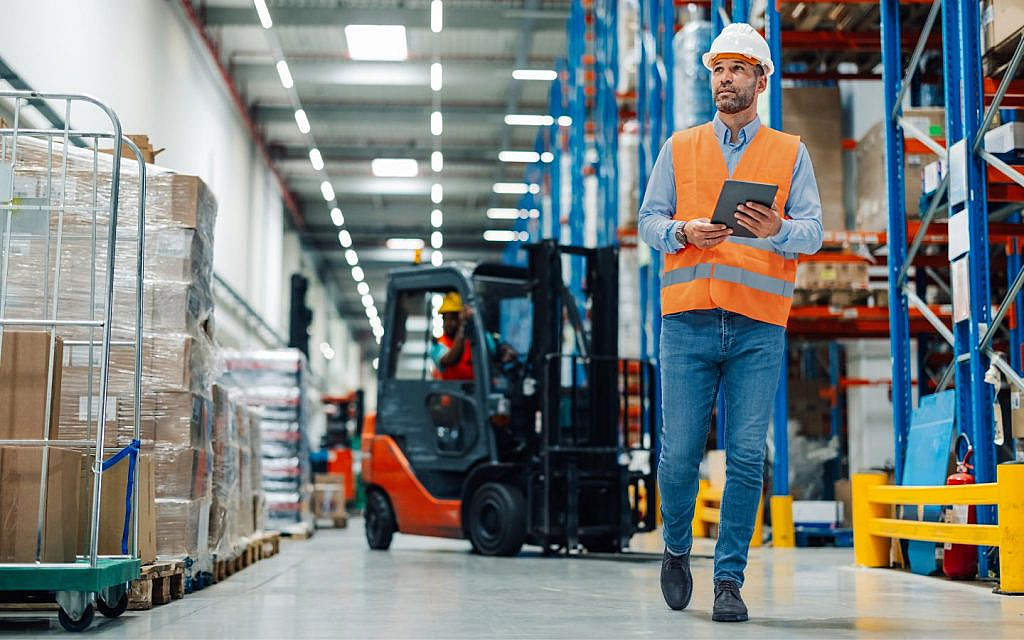
Following essential safety tips ensures that forklift operations remain efficient, controlled and secure for everyone in the workplace.
Complete Proper Training
Before operating a forklift, all operators must receive comprehensive training from certified instructors and the Emirates Driving Institute. Training should cover the basic controls, load handling and workplace navigation. Knowledgeable operators are more confident and less likely to make errors, keeping workers and equipment safe. Regular refresher courses ensure operators stay updated on safety standards and operational procedures.
Conduct Regular Inspections
Daily pre-operation inspections are essential for safe forklift use. Checking brakes, steering, lights, horn, tyres and fluid levels ensures the machine functions properly. Identifying potential issues early prevents operational delays and reduces the likelihood of workplace incidents. A forklift safety checklist for these inspections helps maintain consistency and ensures no critical component is overlooked.
Follow Load Limits
Every forklift has a specified load capacity. Overloading a forklift can cause tipping, damage to goods or mechanical failure. Operators must always know the weight of their load and ensure it does not exceed the manufacturer’s recommendations. Proper load distribution is also critical for balance. Adhering to these limits protects both the operator and the integrity of the transported materials.

Maintain Clear Visibility
Operators should always ensure they have a clear view of their path. Driving in reverse or using a spotter can help if a load obstructs the view. Maintaining awareness of one’s surroundings, including other workers and potential obstacles, reduces the likelihood of collisions or damage. Good visibility practices help operators navigate safely and prevent unnecessary disruptions in the workflow.
Operate at Safe Speeds
Forklifts are not designed for speed. Operators should drive at controlled speeds, especially around corners, crowded areas or ramps. Reducing speed improves reaction time and allows for safer manoeuvring in tight or busy spaces. Maintaining a steady and appropriate speed ensures safety and smooth handling of loads.
Forklift Best Practices
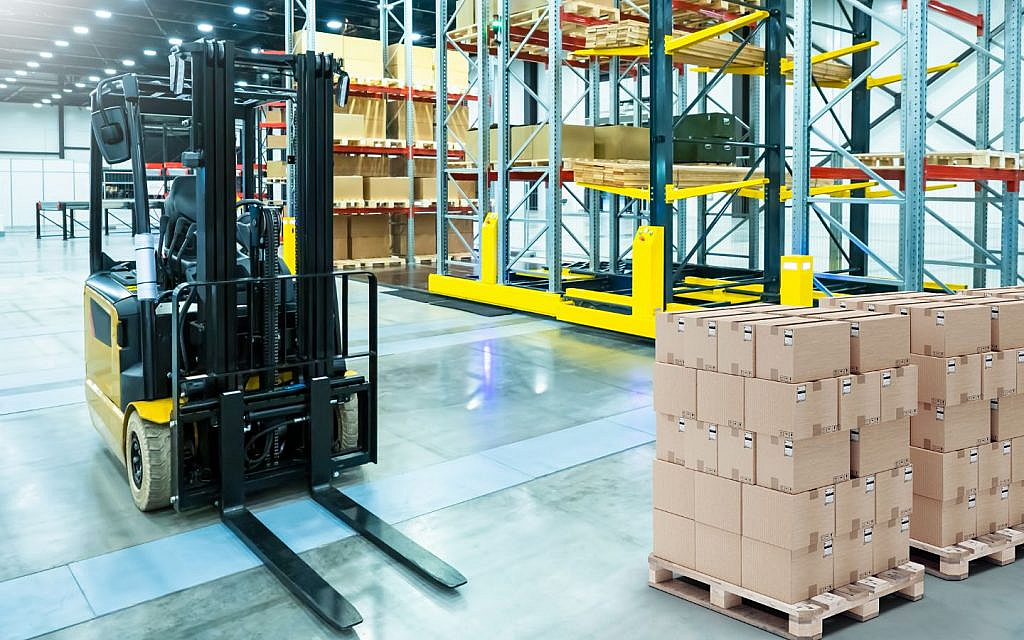
Implementing best forklift practices helps maintain a safe, organised and productive environment when operating forklifts.
Use Seat Belts and Safety Equipment
Wearing seat belts is essential for operator safety. Other safety equipment, such as high-visibility vests and protective footwear, adds an extra layer of protection. Proper safety gear reduces the risk of injury in unexpected movements or accidents. Consistently using safety equipment reinforces a workplace responsibility and care culture.
Keep Work Areas Organised
A well-organised workplace minimises the chances of forklift collisions and accidents. Ensure aisles are clear, materials are properly stacked and pathways are debris-free. Organised spaces allow operators to move efficiently and safely without unnecessary obstacles. Regularly reviewing and maintaining the layout further enhances safety and operational efficiency.
Maintain Proper Load Handling
Loads should always be stable and evenly distributed on the forks. Avoid lifting unbalanced, loose or too high loads. Proper handling prevents tipping and protects the goods from damage during transport. Consistently following correct load handling techniques ensures operator safety and the integrity of transported materials.
Communicate with Co-workers
Effective communication between operators and other staff is crucial. Using hand signals, horns or radios ensures everyone knows forklift movements. This practice prevents misunderstandings and improves overall safety in busy environments. Clear and consistent communication fosters teamwork and helps maintain a smooth workflow around forklifts.
Schedule Routine Maintenance
Regular maintenance by certified technicians ensures that forklifts remain in optimal working condition. Addressing mechanical issues proactively extends the life of the equipment and ensures safe operation. Well-maintained forklifts contribute to consistent productivity and a safer work environment. Keeping detailed maintenance records helps track service history and ensures timely attention to any emerging issues.
FAQs
Why is forklift training important?
Proper training ensures operators understand controls, load handling and safety procedures, reducing the risk of accidents.
Can forklifts operate on ramps?
Yes, but operators must drive at controlled speeds and maintain proper balance to prevent tipping.
How can workplace organisations improve forklift safety in the UAE?
Clear aisles and properly stacked materials reduce accidents and allow smoother movement of forklifts.
Following safe forklift operation guidelines ensures a safe and efficient workplace. Proper training, inspections, load limits, clear visibility and safe speeds protect operators and materials. Organised work areas, effective communication and routine maintenance further enhance safety and productivity, creating a responsible and reliable work environment.
For those looking to invest in quality equipment, exploring forklifts for sale in the UAE can provide reliable options for various industries. Choosing the right forklift ensures workplace efficiency, safety and long-term productivity.
Keep visiting the UAE’s leading automotive blog for more information about industrial equipment.
Related Posts