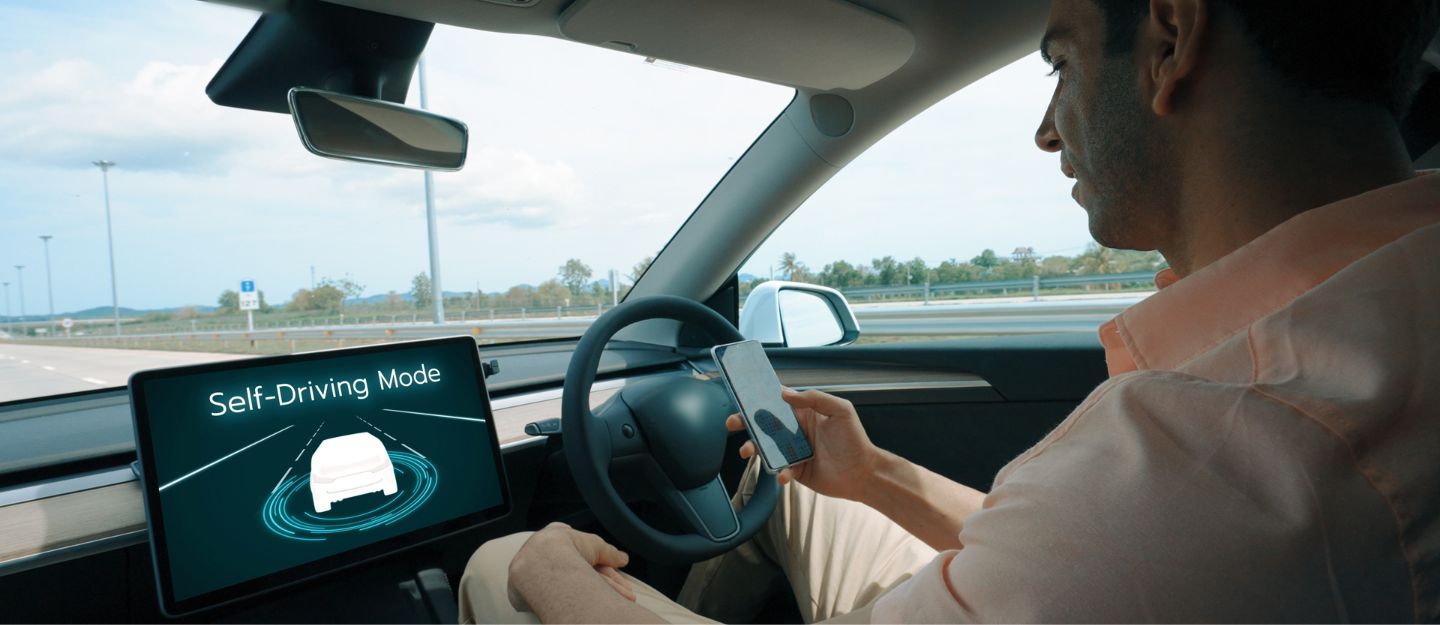
Self-driving cars, once a concept limited to science fiction, are now becoming a real part of modern transport. The idea of a vehicle navigating roads with minimal or no human input sparks curiosity. How does it work? Is it safe? Can it make decisions like a human? What kind of technology powers it? These are just some of the questions shaping the conversation around self-driving cars.
To address these questions, here we have put together answers to some of the most common questions asked about self-driving cars.
Self-driving Cars FAQs
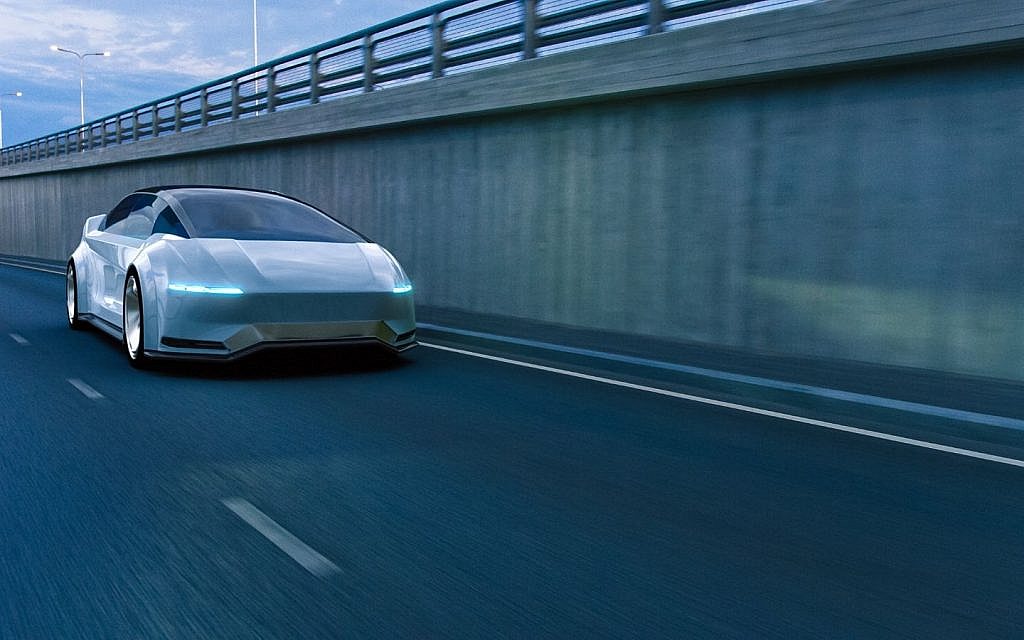
Self-driving cars have revolutionised the automotive industry with their advanced technological features. From its working to reliability, there are many things about self-driving cars that spark curiosity.
Here we have answered some of the most commonly asked questions about self-driving cars.
How Do Self-driving Cars Work?
Self-driving cars work using sensors, software, car computers and cameras. These parts help the car navigate its surroundings and make driving-related decisions without human help.
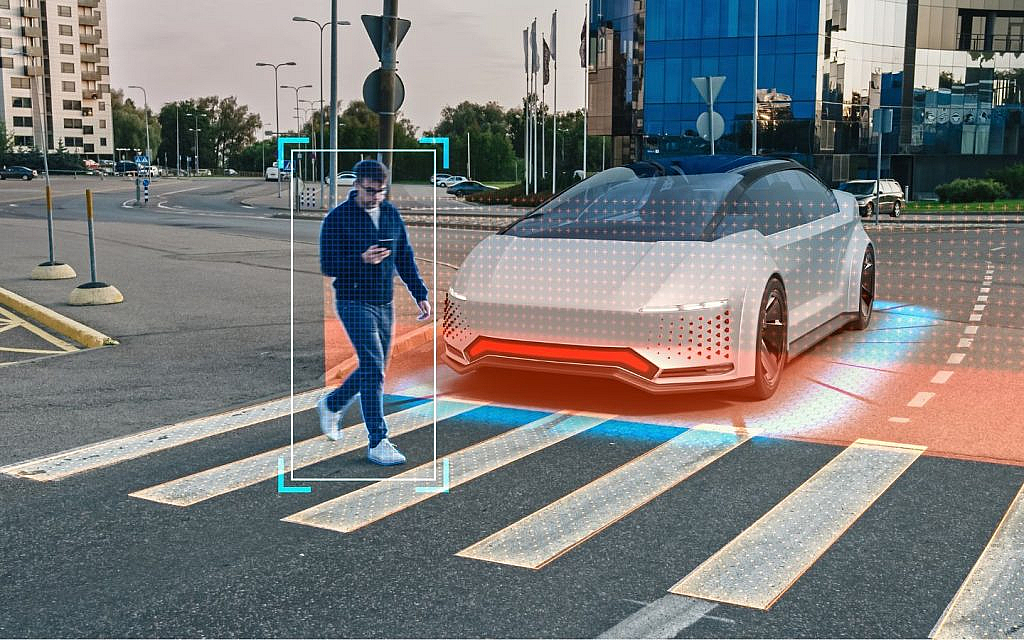
Sensors like radar and LiDAR, cameras and GPS collect data regarding road conditions, traffic signs, pedestrians and other vehicles. The car’s computer uses this data to plan a safe path. Some self-driving cars also connect with other cars and traffic systems to stay updated on road conditions.

What Features Support Self-driving Cars?
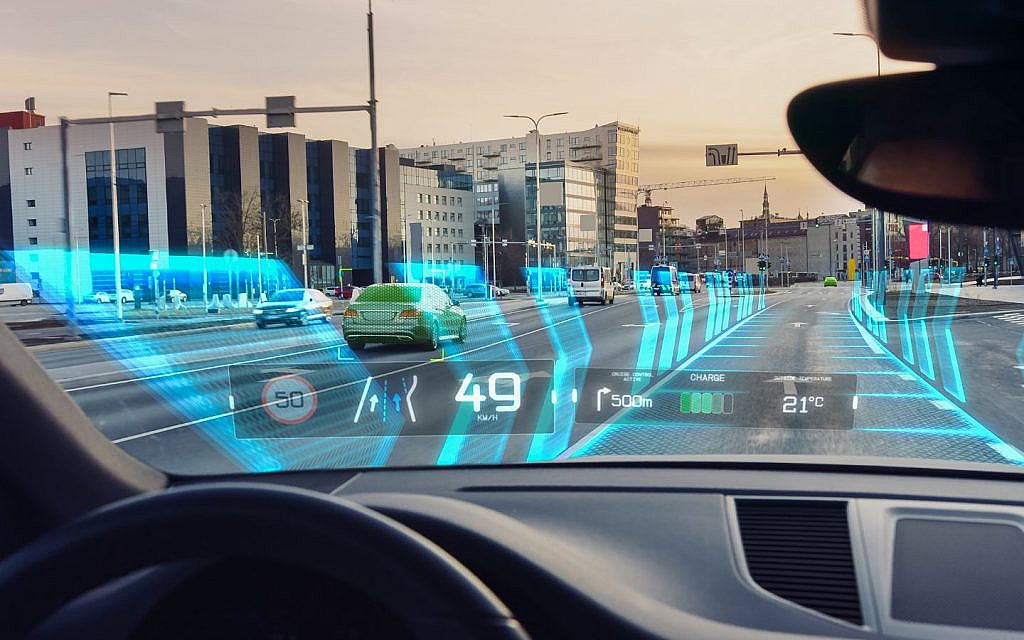
Self-driving cars come with a host of advanced features that make driving safer and more comfortable. Features like adaptive cruise control, lane assist and pedestrian detection help the vehicles to navigate safely on the road.
Many of these vehicles also use Vehicle-to-Everything (V2X) technology. It allows the car to share information with traffic lights, other vehicles and even pedestrians. This helps the car react better in complex traffic situations. These advancements, along with the benefits of AI in self-driving cars, are making fully autonomous vehicles a reality.
Are Self-driving Cars Legal in the UAE?
Yes, self-driving cars are legal in the UAE, but there are certain conditions. Only vehicles with human supervision are allowed on public roads. A licensed safety driver must always be ready to take control if needed.
According to Dubai Law No. 9 of 2023, no self-driving car can operate on public roads without a licence from the Roads and Transport Authority (RTA). To get this licence, the vehicle must pass safety checks, follow security rules and be insured by a local provider.
Currently, fully driverless cars in the UAE without any human support are in the trial phase. Then, cars have been tested in special areas such as Dubai Silicon Oasis and Masdar City.
Can Self-driving Vehicles Drive in Bad Weather?
Self-driving cars are capable of operating in adverse weather conditions, but they can be affected due to reduced visibility. Precipitation can scatter LiDAR signals, while fog can reduce visibility, affecting a car’s performance.
Snow, dirt or moisture may also block sensor lenses, making it harder for the vehicle to detect lane markings, road signs and moving objects.
Can Self-driving Vehicles Be Hacked?
Self-driving cars rely on complex software, sensors and constant internet connections, making them possible targets for cyber threats. This concern is one of the many challenges self-driving cars face, especially as they become more connected through smart technologies.
Cyberattacks may lead to loss of control, unsafe driving decisions or data theft. However, to reduce these risks, automakers are adding security layers, detecting intrusions early and updating systems regularly.
Can Self-driving Cars Operate Anywhere or Only in Mapped Areas?
Self-navigating vehicles depend on the navigation system, making them drivable in mapped areas. These high-definition maps show road layouts, lane markings, traffic signs and signals and other key details the vehicle needs to understand its surroundings.
How Accessible are Self-driving Vehicles For People of Determination?
Features in self-driving cars like voice commands, automated parking and adaptable seating can reduce physical effort, making it convenient for People of Determination (PoD). However, modern self-driving cars have limited design language that often restricts its usage for PoD.
Are self-driving and autonomous vehicles the same?
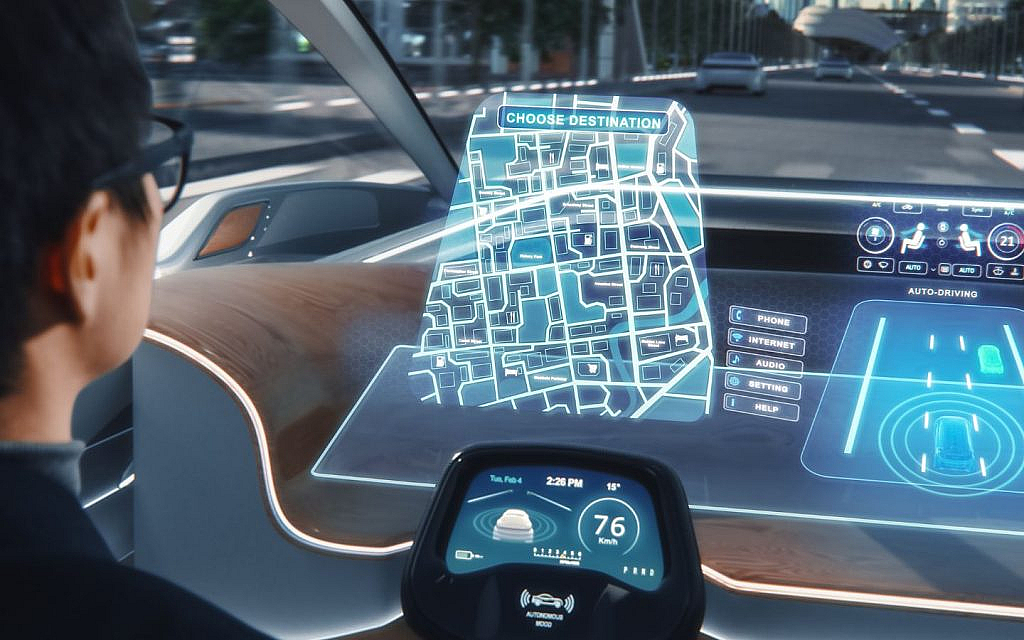
Self-driving and autonomous vehicles are often thought to be the same, but there are small differences between them.
Self-driving cars can handle many driving tasks on their own. However, a driver still needs to be inside the car and ready to step in if needed. These cars usually work in limited areas or certain road conditions and fall under SAE Levels 3 and 4.
Autonomous vehicles are designed to drive fully on their own. A Level 5 autonomous vehicle does not need a driver at all. It uses advanced AI and sensors to make decisions, plan routes and respond to traffic or changes on the road.
Today, most vehicles called ‘self-driving’ are not yet fully autonomous. That means while all autonomous cars are self-driving, not all self-driving cars can drive without human help.
The inception of self-driving cars represents a significant leap forward in transportation technology. As self-driving systems continue to evolve, the levels of autonomy provide a clear framework for understanding the progression of these innovations. While challenges remain in terms of technological reliability, infrastructure and legal frameworks, the future holds promise for fully self-driving vehicles.
These vehicles are expected to offer increased safety, efficiency and convenience. The key will be a balanced approach that prioritises safety, ethics and inclusivity in shaping the future of transportation for everyone. If you are also interested to avail of these features, browse through new or used cars for sale in the UAE and choose from an array of options. Alternatively, if you’re looking to purchase a brand-new car for sale in the UAE, you can also explore various options.
Stay tuned to dubizzle auto blogs for more updates on the latest in automotive innovations.
Related Posts