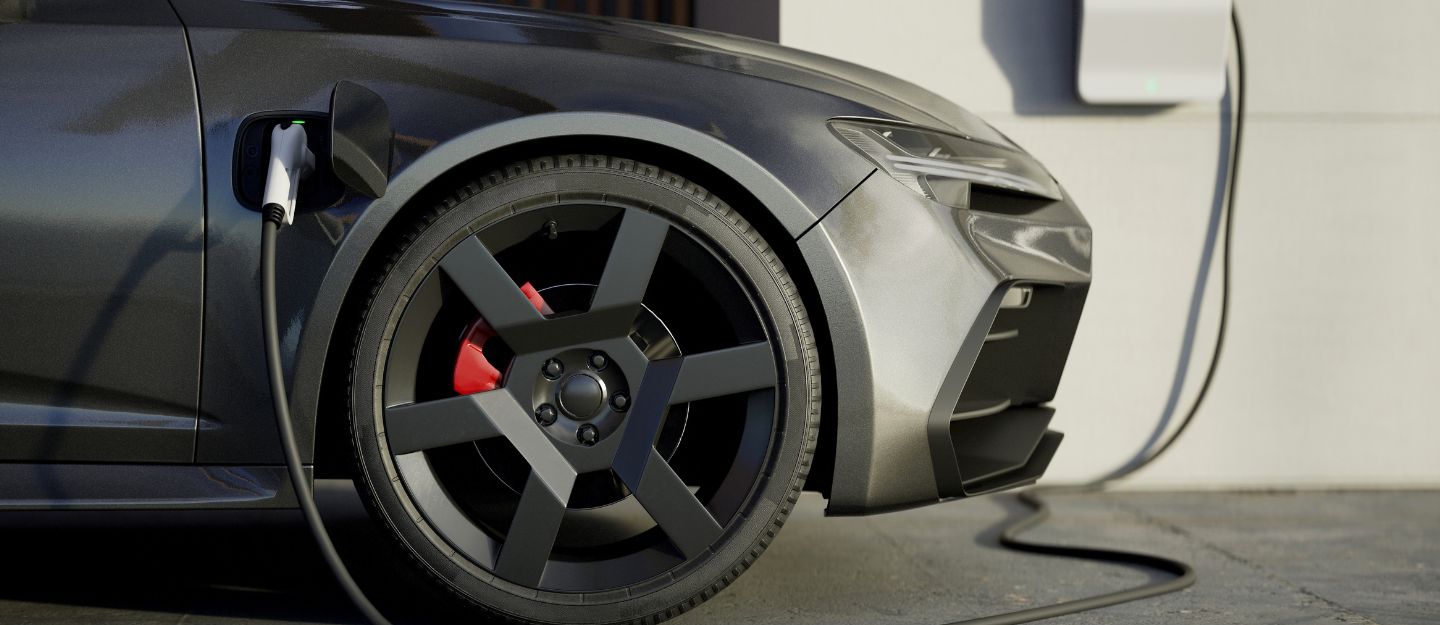
Hybrid vehicles have evolved from a niche innovation into a mainstream automotive choice, particularly in markets focused on fuel efficiency and emissions reduction. Yet, despite their growing presence on the road, myths about hybrid cars continue to shape public perception and, in some cases, discourage potential buyers. Much of this confusion stems from outdated information or early assumptions that no longer apply to modern hybrid technology. A clear, factual look at these common misunderstandings helps explain how today’s hybrid models perform in real-world driving conditions.
Common Misconceptions About Hybrid Cars

While hybrid vehicles have become increasingly popular, several myths and misconceptions continue to shape how people view them. The following points clarify the facts and reveal the realities of modern hybrid cars.
Myth 1: Hybrids Don’t Perform Well on Highways
Modern hybrid cars are designed to perform efficiently on both city roads and highways.
Earlier hybrid models were mostly optimised for stop-and-go traffic, but today’s hybrids deliver strong acceleration and stability at higher speeds. Models like the Toyota Camry Hybrid or Lexus ES Hybrid balance fuel efficiency with powerful performance. This makes them suitable for long drives across the UAE.
Myth 2: Hybrid Batteries Don’t Last in the UAE’s Climate
Hybrid car batteries are built to withstand harsh conditions, including high temperatures.Manufacturers test these vehicles in extreme weather environments. Most hybrids come with long battery warranties — often up to 8 years or more. As for the effects of heat on hybrid batteries, regular servicing at authorised centres helps maintain performance. Many hybrid models also use liquid-cooled battery systems, which helps maintain temperature in UAE summers.

Myth 3: Hybrids Are Expensive to Maintain
One of the most persistent hybrid cars myths is that their advanced technology automatically leads to higher maintenance costs. In reality, many hybrids experience reduced wear on key components compared to conventional petrol cars. Regenerative braking systems minimise brake pad usage, while the electric motor often reduces strain on the petrol engine. Over time, this can translate into maintenance costs that are comparable to or even lower than those of conventional vehicles.
Myth 4: You Can’t Find Mechanics for Hybrid Vehicles in the UAE
The number of trained hybrid technicians in the UAE is steadily increasing. Major service centres and brand dealerships have certified specialists familiar with hybrid technology. Additionally, many independent workshops now cater to hybrid maintenance and repairs, especially in Dubai, Abu Dhabi and Sharjah.
Myth 5: Hybrids Don’t Save Much Fuel
Hybrid cars significantly improve fuel economy, especially in urban settings.
In city traffic, where speeds fluctuate, the electric motor takes over more often — reducing petrol use. Depending on the model, hybrids can offer up to 30–50% better mileage than their petrol counterparts, helping drivers cut both fuel costs and emissions.
Myth 6: Hybrid Cars Aren’t Worth It in the UAE
Hybrids are increasingly worth it for UAE drivers seeking long-term savings.
With rising fuel efficiency standards, lower emissions and demand for resale, hybrids offer a strong balance of performance and sustainability. Drivers who mostly commute within cities or use their vehicles daily can benefit the most from reduced fuel expenses and smoother rides. Those planning to buy one can go through these hybrid car buying tips to better understand what to look for before making a purchase.
Myth 7: Petrol Cars Are Still the Better Choice
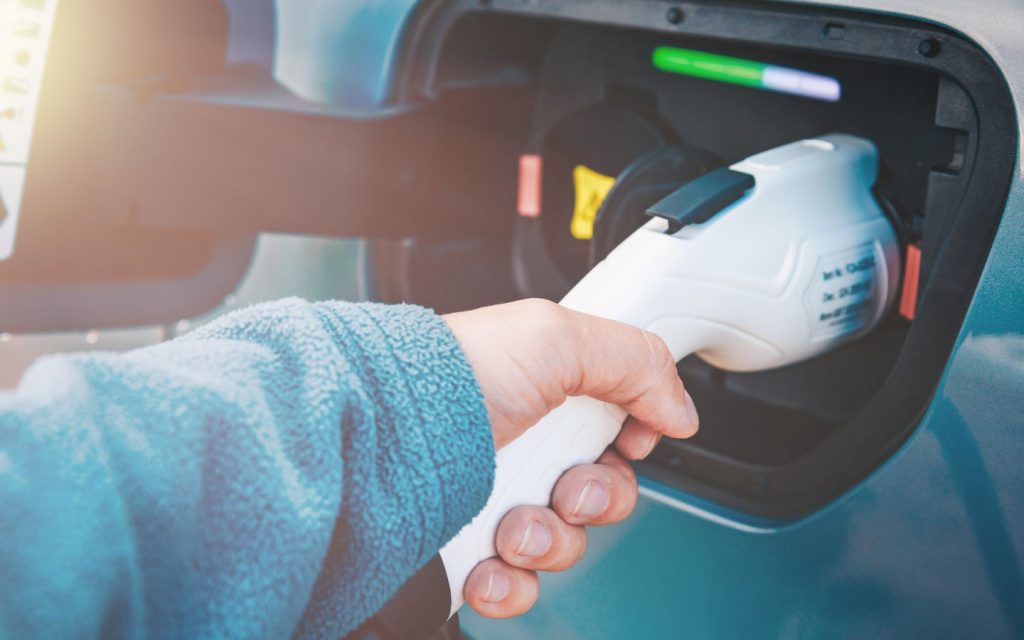
Both hybrid and petrol cars have their strengths, but hybrids offer better long-term value.
Petrol vehicles may cost less upfront, but hybrids make up the difference through fuel savings and lower wear on key components. For many UAE drivers, hybrids offer lower long-term running costs, making them a practical everyday option.
Myth 8: Hybrid Batteries Require Frequent Replacement
Battery longevity remains a common concern and fuels many misconceptions about hybrid vehicles. In practice, hybrid batteries are engineered to last for many years and often for the lifetime of the vehicle.
Myth 9: Hybrid Technology Will Soon Become Obsolete
With the rise of fully electric vehicles, some believe hybrids are merely a temporary solution. In reality, hybrids play an important transitional role. They offer improved efficiency and lower emissions without the range limitations or charging infrastructure requirements associated with full EVs. This makes them a practical option for drivers who are not yet ready to switch entirely to electric mobility.
FAQs
Do hybrid cars require more maintenance?
Hybrid cars typically require the same or less maintenance than conventional vehicles due to reduced engine load and brake wear.
Is it true that hybrid batteries are expensive to replace?
No, hybrid batteries are built to last many years and are usually covered by long manufacturer warranties.
Do hybrid cars offer better fuel efficiency than petrol cars?
Yes, hybrids typically deliver better fuel efficiency by combining electric and petrol power.
Hybrid vehicles combine proven engineering with modern efficiency, offering a practical balance of performance, reliability and reduced environmental impact. Many long-standing concerns around hybrid ownership are rooted in outdated assumptions rather than the realities of today’s technology. As the automotive market continues to evolve, hybrids remain a sensible option for drivers seeking lower fuel consumption without fully transitioning to electric mobility.
If you’re considering your next vehicle, used hybrid cars for sale in the UAE can be a good place to explore hybrid options. For brand new options, explore these new cars for sale in the UAE to find the latest models.
Stay tuned to dubizzle’s auto blog to discover more insights and tips about hybrid cars.
Related Posts