- Understanding Flood-Damaged Cars
- Tips for Buying a Flood Damage Car
- Additional Tips
- Reason to Consider Buying a Flood-Damaged Car
- Risks Associated with Flood Damaged Cars
- FAQs
Flood-damaged cars are often found at a significantly reduced price, making them an attractive option for budget-conscious buyers. However, purchasing a flood-damaged car comes with its own set of risks and considerations. Let’s go through some of the important things to consider when buying a flood damaged car to understand the intricacies of buying such vehicles in the UAE and ensuring you make an informed decision.
Understanding Flood-Damaged Cars
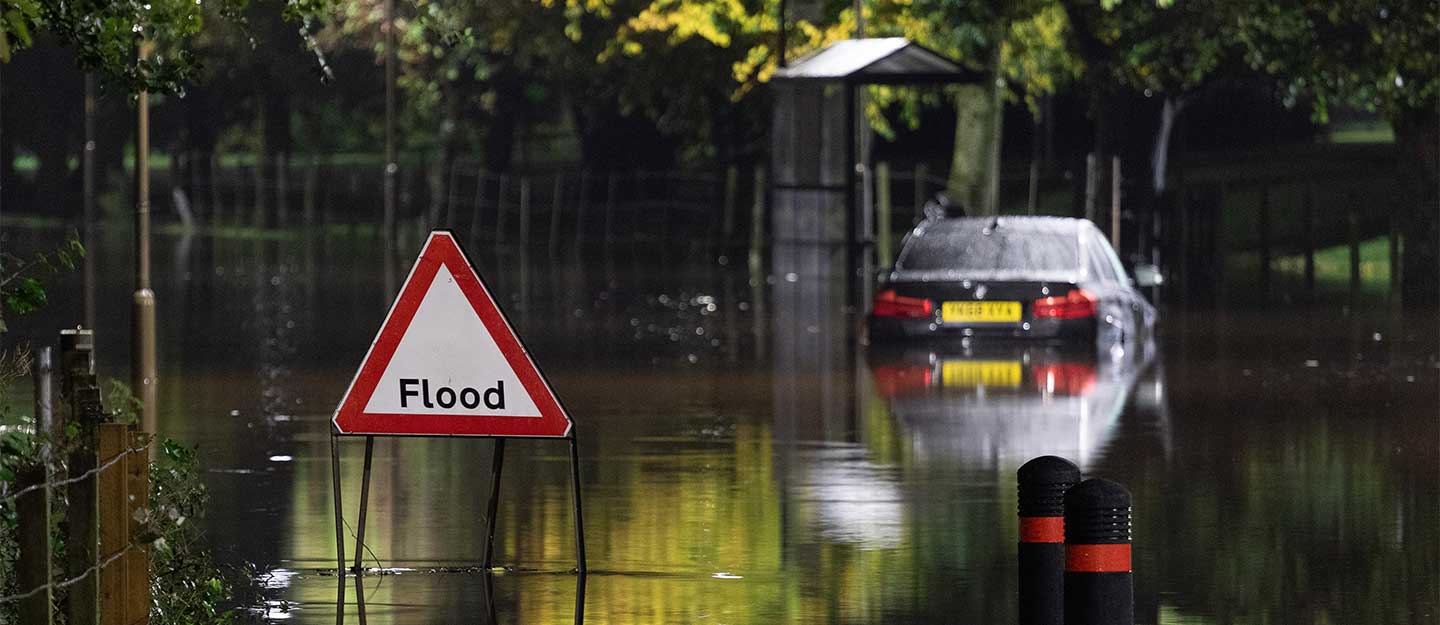
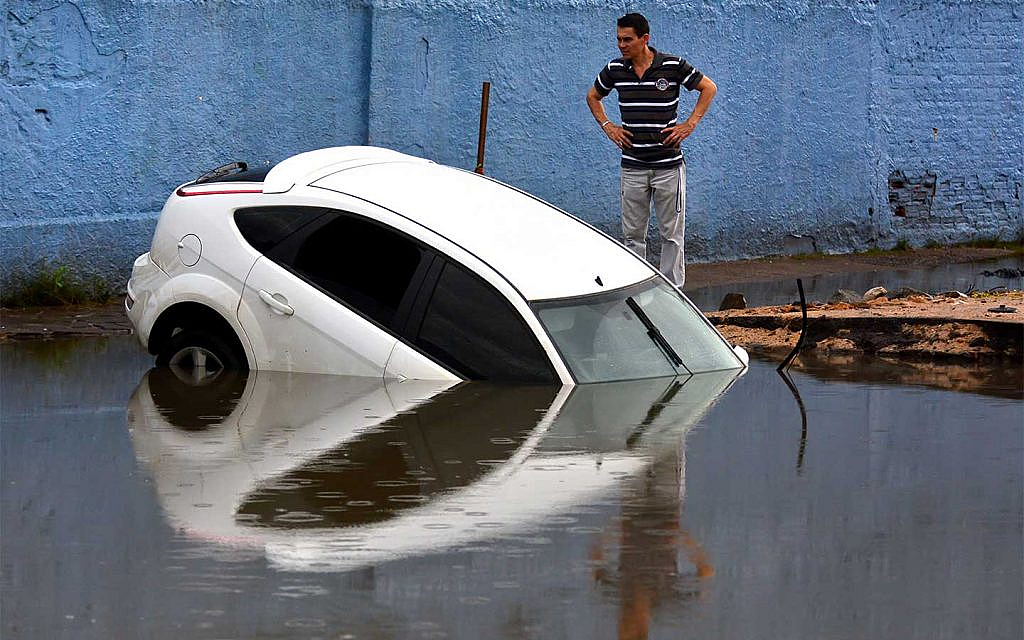
Flood-damaged cars are vehicles submerged in water. Water can cause extensive damage to a vehicle’s engine, electrical systems and interior components. While some flood-damaged cars can be restored to working condition, others may have hidden issues that can lead to costly repairs down the line. The very first line of defence in this respect should be booking a vehicle inspection service offered by experts. Moreover, some other factors to consider when opting for a flood-damaged car have been discussed below.
Things to Consider When Buying a Flood-Damaged Car
Buying a flood-damaged car might seem like a great bargain due to its reduced price, but knowing the potential pitfalls is crucial. Here are a few things to consider when buying a flood-damaged car to make an informed decision.
Research and Due Diligence
Before considering a flood-damaged car, conduct thorough research. Understand the extent of the damage, the cost of potential flood repairs and the car’s resale value. Check online forums, read reviews and consult with experts to gather as much information as possible.
Price Deception
Flood damage can significantly lower a car’s price. However, the hidden repair costs can quickly negate these savings. Before purchasing such a car obtain a detailed repair estimate from a trusted mechanic specialising in flood-damaged vehicles. Factor the costs into the overall price to determine if the deal is worth it.
Floodwater can reveal unseen issues. While some repairs might be evident, internal corrosion, electrical problems and mechanical issues might lurk beneath the surface, leading to unforeseen expenses later.
Insurance
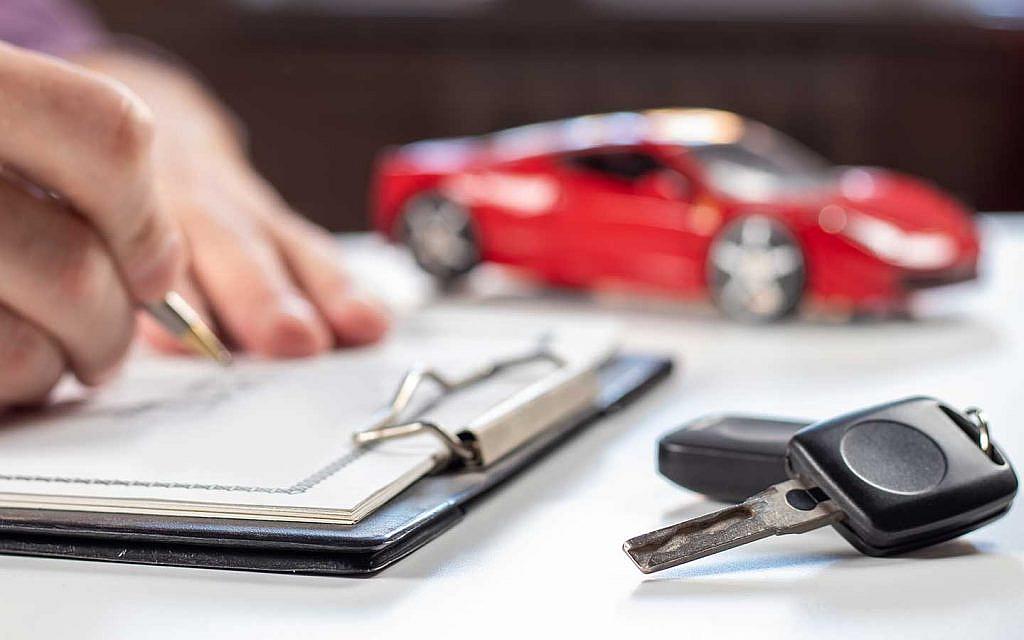
Understanding the car’s insurance history is one of the essential things to consider when buying a flood damaged car:
Comprehensive Coverage: Check if the previous owner had comprehensive car insurance to cover the flood damage repairs professionally. Scrutinise the service history for details on the repairs undertaken.
Non-Insured Repairs: Cars without insurance coverage for flood damage pose a higher risk. Often, shoddy repairs are made to hide water damage, leading to future problems like:

- Electrical malfunctions due to moisture and corrosion.
- Rust development in hidden areas, compromising structural integrity.
- Recurring mechanical issues due to water intrusion into sensitive components.
Legal Requirements
Ensure that the car has a clear title and is legally eligible for sale. In the UAE, flood-damaged cars may have a branded title, indicating their condition. A branded title indicates that your vehicle was once declared as a total loss or damage. Therefore, verify all documentation to avoid legal complications.
Evaluate Repair Costs
Consider the cost of repairs when evaluating the overall price of the flood-damaged car. Obtain quotes from multiple repair shops and factor in the potential for unexpected issues. One of the tips to reduce car repair costs is to compare these costs against the market value of a similar car that hasn’t been flood-damaged.
Visual Inspection
Exterior: Look for signs of water damage, such as mud or silt under the hood, in the trunk and around the wheels. Check for corrosion, especially in hidden areas.
Interior: Inspect the upholstery, carpeting and seatbelts for signs of water stains, mould or mildew. Lift the carpets to check for dampness or rust.
Mechanical Repairs
Floodwater can severely impact a car’s mechanical systems:
Major Damage: Critical components like the engine and transmission are highly susceptible to flood damage. Moreover, repairs in these areas can be costly and might not guarantee a problem-free future. Be cautious of these issues:
- Reduced engine performance and efficiency.
- Transmission problems like slipping gears or erratic shifting.
- Compromised braking systems reduce stopping power.
Minor Damage: Issues such as a clogged air filter due to water or a replaced starter motor are less concerning but still add to the overall repair costs. Also, once you buy a flood-damaged car make sure you prepare the car for the next rainy season.
Electrical Repairs
The car’s electrical system is particularly vulnerable to floodwater:
Extensive Damage: Flood exposure can lead to severe issues like corrosion, malfunctions and even fire risks. Extensive rewiring or replacing parts like the Electronic Control Unit (ECU) can be financially draining.
Limited Damage: Damage limited to components like the radio or power windows is easier to manage and shouldn’t be a deal-breaker on its own.
Body Repairs
Flood damage can also affect the car’s bodywork:
Minor Damage: Dents, scratches or surface rust can be cosmetically repaired. However, ensure there’s no underlying structural damage from flood water pushing against the car’s frame. This can affect handling and safety.
Major Damage: Avoid cars with extensive bodywork repairs, a warped chassis or a salvaged title. They indicate severe flood damage and significant compromises to safety and structural integrity.
Car’s Age
The age of the car plays a role in potential flood damage recovery:
Modern Cars: These vehicles have complex electronics and computer-controlled systems that are more vulnerable to long-term problems after flood damage. The risk of malfunctions and hidden issues is higher.
Older Cars: They might have simpler electrical systems, making the repairs easier. However, be extra vigilant for rust development and potential electrical problems due to aged wiring and components.
Professional Vehicle Inspection
If you’re still unsure, consider getting a professional inspection done. A comprehensive inspection can reveal over 200 checkpoints and provide a detailed report on the car’s condition.
You can also get services from dubizzle Cars to inspect your vehicle. Their pre-purchase car inspection service helps you avoid costly surprises and make an informed decision.
Additional Tips
Here are the additional tips on car evaluation when buying a flood damaged vehicle.
- Test Drive: Always take the car for a test drive to assess its performance and check for any immediate issues.
- History Check: Obtain a detailed car history report to verify any flood damage records.
- Computer Diagnostics: A scan of the car’s computer system can reveal hidden trouble codes or malfunctions potentially caused by flood damage.
- Seller Scrutiny: Be cautious of sellers who are overly eager to sell or lack proper documentation for repairs done. Also, verify information and don’t hesitate to walk away if something feels off.
Reason to Consider Buying a Flood-Damaged Car
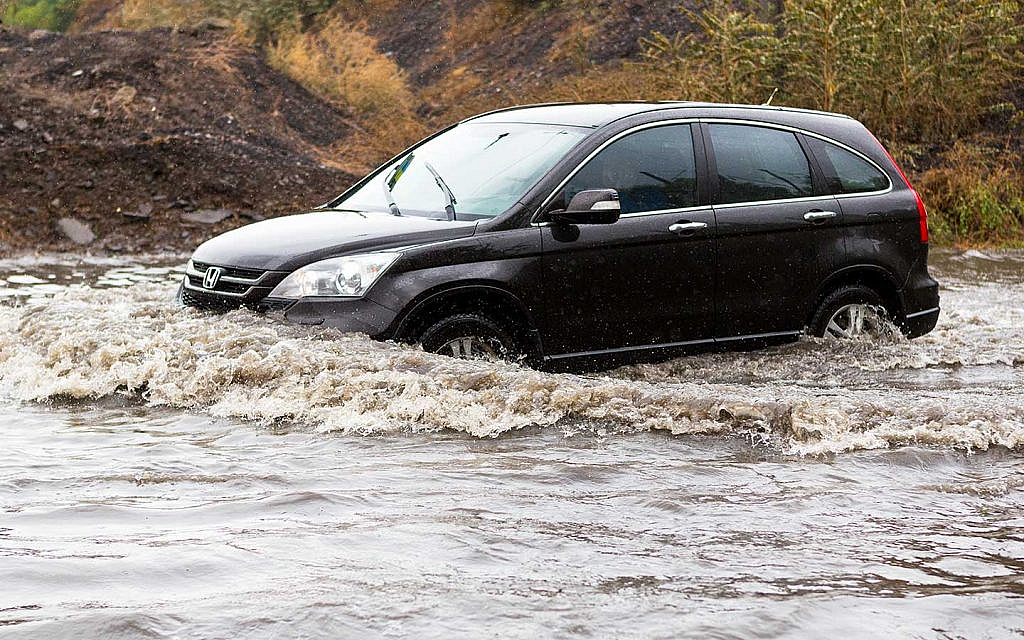
- Cost Savings: Flood-damaged cars are typically sold at a fraction of their market value. If you’re on a tight budget, this can be a compelling reason to consider such vehicles.
- Availability of Rare Models: Sometimes, you can find rare or high-end models among flood-damaged cars that might otherwise be unaffordable.
- Opportunity for Restoration: Restoring a flood-damaged car can be a fulfilling project for car enthusiasts.
Risks Associated with Flood Damaged Cars
- Electrical Issues: Water can severely damage a car’s electrical systems, leading to malfunctioning components.
- Engine Damage: If water gets into the engine, it can cause significant damage, leading to expensive repairs or even a complete engine replacement. For more details, here are the signs and fixes for water damage on a car engine.
- Corrosion and Rust: Prolonged exposure to water can lead to corrosion and rust, affecting the car’s structural integrity.
- Mould and Mildew: Moisture can also lead to mould and mildew growth inside the car, causing health hazards and unpleasant odours.
- Depreciation: Flood-damaged cars typically have lower resale value and insuring them can be more challenging and expensive.
FAQs
Is it safe to drive a flood-damaged car?
It can be, provided that the car has been thoroughly inspected and repaired by a qualified mechanic. However, the long-term reliability of a flood-damaged car can be uncertain due to potential hidden damage.
How to tell if a car has been flood-damaged?
Look for signs of water damage, such as mud or silt in the car’s crevices, water stains on the upholstery, a musty odour and corrosion in hidden areas. Check the oil and transmission fluid for a milky appearance, which indicates water contamination.
Does car insurance in Dubai cover seasonal damage?
Yes, car insurance in Dubai covers seasonal damage if you have a comprehensive insurance plan. However, third-party liability insurance does not cover weather-related damages. Also, many car owners face insurance rejection for flood damaged cars in the UAE.
Buying a flood-damaged car in the UAE can be a cost-effective option if approached with caution and thorough research. By understanding the risks, conducting detailed inspections and being prepared for potential repairs, you can make an informed decision that balances cost savings with long-term reliability. Also, always seek professional advice and never rush into a purchase.
Moreover, learning to protect yourself from submerging is never a bad idea, here is how you can escape from a submerged car by following these steps.
Browse through these listings to explore other used cars in the UAE. Also, if you are not interested in getting a flood-damaged car, here are some tips that can help you avoid buying a flood damaged car.
Stay tuned to the dubizzle auto blog for more tips on navigating rough weather.
Related Posts