Exporting a car from the UAE to Jordan involves careful navigation of legal, logistical and financial regulations. From ensuring proper documentation and vehicle specifications to customs clearance and cost calculations, it’s essential to be well-informed. Here are some important factors to consider while exporting a car from the UAE to Jordan.
Exporting a Car from the UAE to Jordan: Key Considerations

Exporting a car from the UAE to Jordan involves handling legal documents, complying with the import rules of both countries and calculating taxes and charges. These are the factors to consider for car shipment from Dubai to Jordan.
Vehicle Eligibility & Export Requirements
To be eligible for export from the UAE, a vehicle must meet several important criteria set by the local authorities:
- The vehicle must be fully registered with no outstanding finance or Salik fines.
- A bank NOC is required if the car is financed.
- For final import, Jordan prohibits vehicles over five years old and diesel-powered cars.
- Only left-hand-drive vehicles are accepted; right-hand-drive cars and those older than five years are disqualified.
Required Documentation
Export and import require a comprehensive suite of documents that must be carefully prepared. These are the documents required in the UAE:
- Passport, Emirates ID, visa copy, driver’s licence
- Original registration (Mulkiya) and proof of ownership
- RTA vehicle export certificate and temporary export plates
- Tourist travel certificate/trip ticket (for GCC land transit)
- Commercial invoice, insurance, transport bill of lading
In Jordan:
- Import licence from Jordan’s Ministry of Trade
- Commercial invoice and certificate of origin
- Bill of lading, Customs declaration form, conformity certificate
- Passport/residence ID and Jordanian third-party insurance
Deregistration and Export Certificate in the UAE

Before your vehicle can be legally shipped out of the UAE, it must be formally deregistered. This involves a few key steps:
- Submit a cancellation request, export application, proof of clearance and insurance at Dubai RTA or Tasjeel
- Pay deregistration or export fees and return UAE plates
- Receive export certificate and temporary plates valid for approximately 7–14 days
- Confirm all traffic fines cleared and bank NOC obtained if needed
Shipping and Logistics Options
The shipping and logistics options for exporting vehicles from the UAE to Jordan.
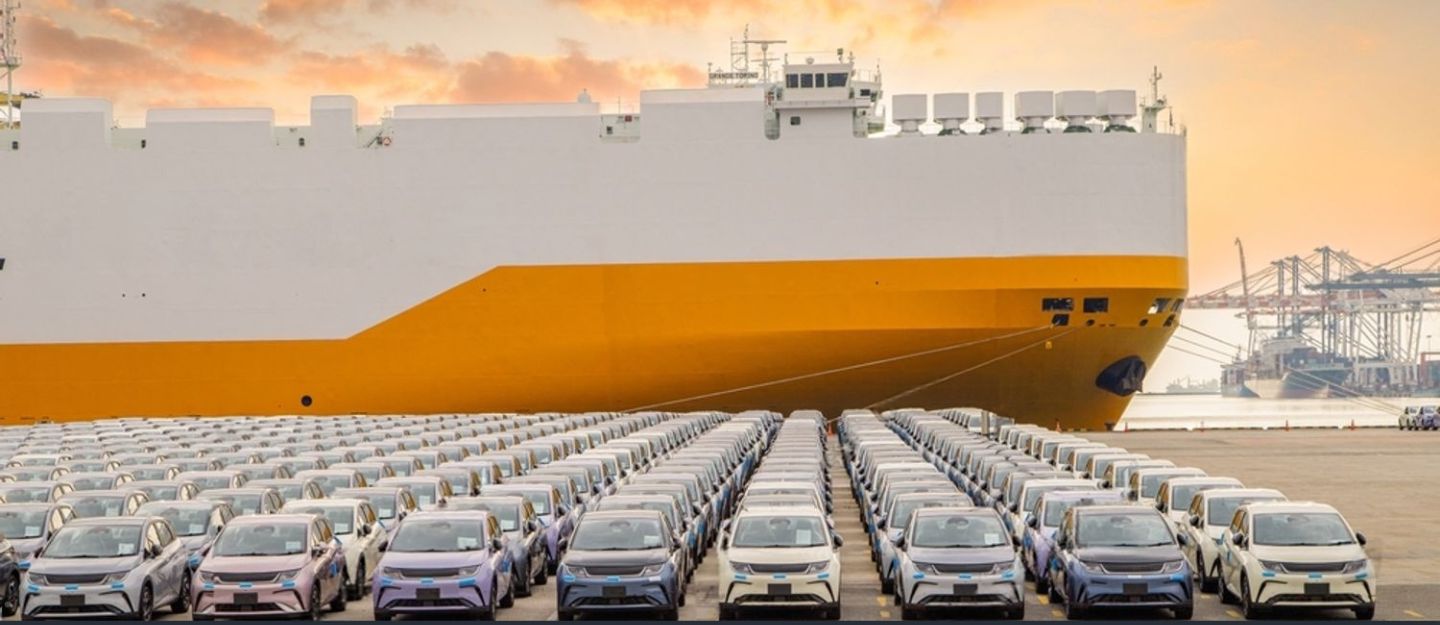
Roll‑on/Roll‑off (Ro‑Ro) Shipping
Ro‑Ro is one of the most affordable shipping options for exporting a car from the UAE to Jordan. In this method, the vehicle is driven directly onto a specialised ship and securely parked. It is ideal for vehicles in running condition and does not require containerisation. However, it does not allow shipping of personal belongings inside the car.
Container Shipping
Container shipping is a more secure method where the vehicle is placed inside a sealed 20-foot or 40-foot container. This option is slightly more expensive than Ro‑Ro but offers added protection against weather and handling damage. It also allows owners to ship personal items inside the container with the car, making it suitable for complete relocations.

Land Transport via Saudi Arabia
Land transport involves moving the vehicle by recovery trucks or multi-car carriers from the UAE to Jordan through Saudi Arabia. It is a convenient option for those preferring direct door-to-door delivery. The vehicle export process UAE to Jordan requires a trip ticket and transit insurance and may include stopovers at border checkpoints in Saudi Arabia and Jordan.
Transit Times While Exporting A Car From The UAE To Jordan
The time it takes to export a car from the UAE to Jordan depends on the shipping method you choose.
Land Transport (Via Saudi Arabia)
Estimated Duration: 2 to 4 days
Vehicles are transported via recovery trucks or car carriers through Saudi Arabia. This route may include time spent at Saudi and Jordanian border checkpoints for inspection and paperwork. Faster than sea freight and ideal for those who want quicker delivery.
Roll-on/Roll-off (Ro-Ro) Shipping
Estimated Duration: 4 to 6 days (port to port)
Additional time (2–3 days) may be needed for customs clearance and document processing. A good option for operational vehicles that don’t require enclosed transport.
Container Shipping
Estimated Duration: 5 to 8 days (port to port)
Includes loading and unloading time at Jebel Ali Port and Aqaba Port. If door-to-door service is selected, please note that it may take an additional 2-3 days. More secure but slightly slower due to handling and consolidation.
For more information on transit times and export, refer to these key FAQs about exporting cars from the UAE.
Key Ports and Transport Routes
When exporting a car from the UAE to Jordan, the choice of route, whether by sea or land, significantly affects transit time, logistics and cost.
Sea Route: Jebel Ali Port to Aqaba Port
The most popular sea route originates at Jebel Ali Port in Dubai, the UAE’s largest deep-sea port. From there, vehicles are shipped to the Port of Aqaba in Jordan via Roll-on/Roll-off or container vessels. This route is ideal for bulk shipments or non-running vehicles and offers secure and structured handling through international shipping carriers.
Land Route: UAE through Saudi Arabia to Jordan
Land transport offers a direct and often quicker option for car exports. The land route follows this path:
- UAE to Saudi Arabia border (via Ghuwaifat or Al Batha)
- Then continues through Saudi territory
- Entry into Jordan via the King Hussein Bridge or the Al-Omari Gate
Jordan Entry Points
Whether by sea or land, cars can enter Jordan through one of the following main entry locations:
- Port of Aqaba: For vehicles arriving by sea
- Al-Zarqa Dry Port: Used for inland customs processing
- King Hussein Bridge or Al-Omari Border Crossing: For land-shipped vehicles
Customs Duties and Taxes in Jordan

Jordan’s customs charges include:
- Duty: Up to 25% of CIF value; electric vehicles 10–15%
- Sales tax (VAT): 16% on CIF plus duty
- Weight-based fees: 500–1,500 JOD depending on weight
- Additional charges: Stamp, traffic and extra processing fees (10–70 JOD)
- Exemptions: Returning Jordanian nationals may be eligible; however, diplomats are excluded.
Technical Modifications and Compliance
To meet Jordan car import regulations:
- The vehicle must comply with safety and emissions testing
- Left-hand drive only; no diesel or vehicles older than five years
- An inspection certificate from an authorised centre is needed before registration
Final Vehicle Registration in Jordan
After arrival:
- Submit export certificate, bill of lading, Mulkiya, import licence, passport, customs receipts, inspection certificate and insurance.
- Undergo mechanical and safety inspection.
- Apply for Jordanian plates and register with Driver and Vehicle Licensing Department (DVLD).
- Secure mandatory third-party insurance before driving.
Estimated Cost to Export Car from UAE to Jordan
Disclaimer: All percentages, taxes and cost estimates mentioned are approximate and may vary due to changes in regulations, shipping conditions or service provider charges. It is recommended to verify all figures with the relevant official authorities or your logistics provider before initiating the export process.
Exporting a car from the UAE to Jordan typically costs between AED 3,800 and AED 9,500 on the UAE side. This includes RTA deregistration fees (AED 300–800), temporary export plates and optional bank clearance charges if the vehicle is financed. For shipping, land transport via Saudi Arabia costs approximately AED 3,200–6,000, while sea freight through Ro-Ro or container shipping ranges from AED 3,500 to AED 8,500, depending on the vehicle size and shipping method.
Optional customs agents or export consultants may charge AED 300–1,000 for handling paperwork, insurance and coordination. These costs can vary by emirate and service provider.
FAQs
Can I export my car from the UAE to Jordan if it is still under loan?
No, you must first settle the loan and get a No Objection Certificate (NOC) from your bank.
Do I need to deregister the car before exporting?
Yes, the car must be deregistered with the RTA or a service centre, such as Tasjeel, before export.
Is marine insurance required to export vehicles from the UAE to Jordan?
It is not required, but it is highly recommended for safety and peace of mind.
These are some key considerations to keep in mind when exporting a car from the UAE to Jordan. Understanding Jordan’s import rules, completing the correct paperwork and selecting a trusted shipping service can help make the process smooth and hassle-free.
Additionally, if you plan to sell an imported car in the UAE, the procedure is subject to the some regulations and associated costs. These may vary depending on the country of origin.
If you’re planning to export a car, exploring export-ready vehicles for sale in the UAE and other emirates is a smart first step.
Keep visiting UAE’s leading autos blog to know more about the export processes from the UAE to other countries.
Related Posts