
Electric Vehicles (EVs) have gained rapid popularity in recent decades, transforming global mobility trends and reshaping automotive safety standards. With accelerated adoption, it has become essential for drivers to follow a structured EV safety checklist. From daily pre-driving checks to seasonal maintenance, an EV safety checklist helps keep driving safe, smooth and stress-free.
EV Pre-Driving Safety Checklist
A few quick checks before driving an electric car ensure safety and reliability. The EV pre-driving safety checklist includes:
Battery Charge
It is necessary to check the battery charge before driving an EV to avoid unexpected depletion and potential immobilisation. Ideally, the battery should be maintained around 80% for optimal efficiency and longevity and should not be discharged below 20% for the same reason.
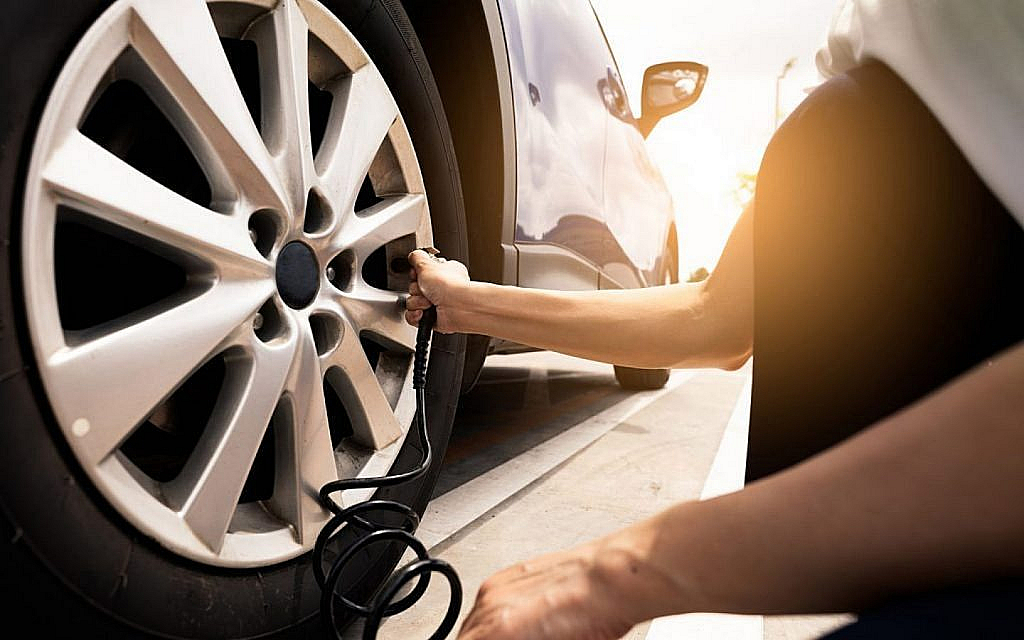
Tyre Pressure
Tyre inflation directly affects an EV’s safety and performance, making it essential to check pressure before driving. Underinflated tyres increase rolling resistance and drain the battery faster, while overinflated ones compromise handling and traction.
Most EVs are equipped with a Tyre Pressure Monitoring System (TPMS) that provides accurate readings and helps maintain optimal inflation.
Brake Lights
Properly functioning brake lights are essential for both safety and system performance. They not only signal other drivers but also reflect the effectiveness of the braking and regenerative systems in EVs.

Fluid Levels
EVs use different fluids for systems such as braking, cooling and windshields. Checking these levels before driving ensures all components function properly and helps prevent sudden malfunctions.
Windshield Wipers
Windshield wipers play a crucial role in maintaining clear visibility during rain, fog or dust storms. Inspecting them daily helps avoid unexpected issues and ensures safer driving conditions.
EV Monthly Safety Checklist
Similar to a conventional car’s monthly maintenance checks, EVs also require regular inspections to ensure optimum performance and efficiency.
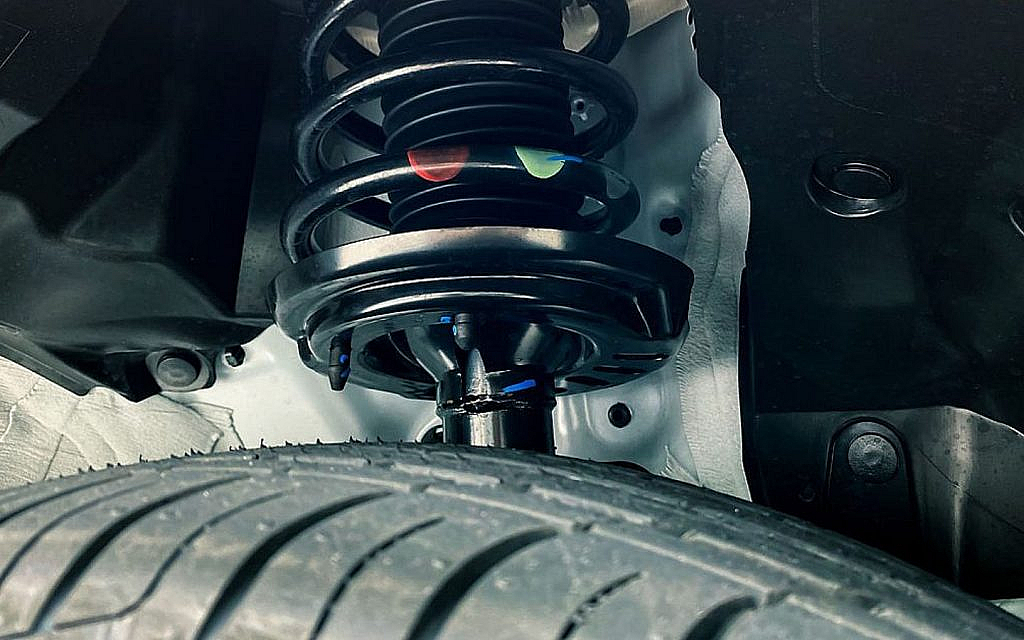
Suspension and Steering
Inspecting steering and suspension systems is a key part of the monthly EV safety checklist. These systems are vital for smooth driving, handling and stability of a vehicle. Regular checks help identify wear and tear early, preventing malfunctions and costly repairs.
Software Updates
Many brands provide EV software updates that support various vehicle functions. Keeping the software updated ensures access to the latest performance improvements, bug fixes, security patches and technologically advanced features.
Exterior
A monthly exterior inspection helps spot dents, scratches and paint chipping while ensuring all lights are functioning properly. Along with safety, this also keeps the vehicle compliant with UAE traffic laws and regulations.
Interior
An interior check ensures buttons, controls, displays and cameras are all working properly. It is also important to inspect the HVAC system and replace the cabin air filter when needed to maintain air quality inside the vehicle.
Battery Health
EV battery health can be checked using onboard diagnostic systems or dedicated apps. The monitoring helps detect early signs of degradation that may reduce driving range and efficiency.
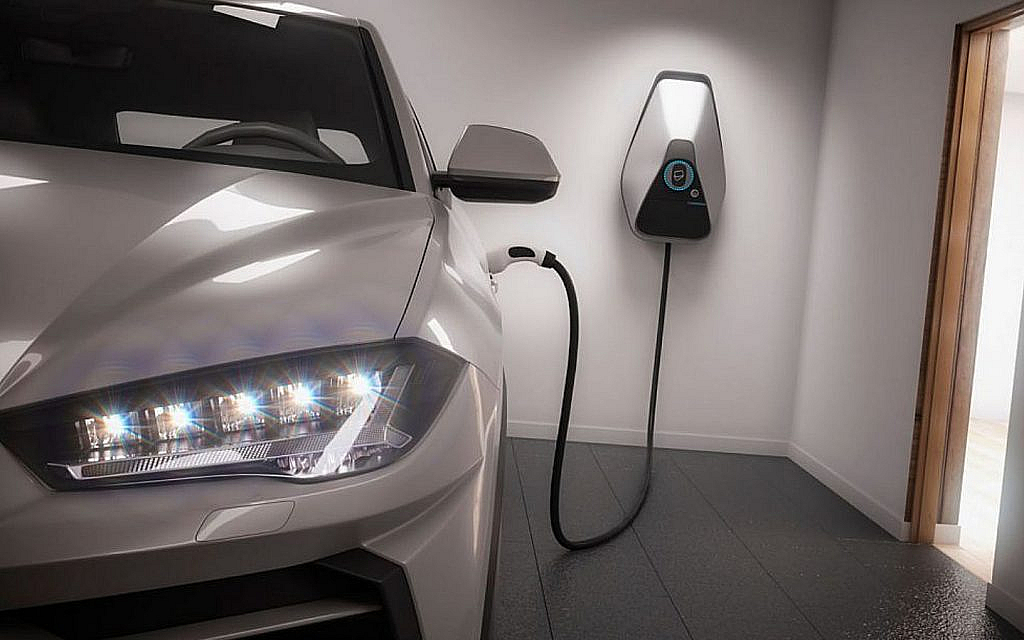
Charging Equipment
The charging setup is the key link between an electric car and its power source, making its condition critical for safe and efficient use. Inspect cords, plugs and connectors monthly for cracks, corrosion, exposed wiring or other damage that could cause hazards.
EV Seasonal Safety Checklist
In addition to monthly checks, seasonal electric vehicle safety inspections are essential to maximise safety and minimise the risk of accidents.
Tyre Change
Switching between summer and winter tyres is essential for optimum safety and performance. In the UAE, summer tyres are typically required as they provide better heat resistance and improved grip on dry roads.
Overheating Risks
Extreme summer temperatures can increase the risk of EV overheating. To prevent this, the cooling system should be inspected before the peak season. Parking in shaded areas and using protective covers also helps minimise heat exposure.
Cooling System
The cooling system regulates the temperature of the battery, power electronics and in some models, the motor. Over time, coolant levels may drop and components like hoses or pumps can wear out due to temperature fluctuations. Seasonal inspections keep the system effective, extending battery life and reducing the risk of heat-related failures.
FAQs
Are EVs more prone to fire risks?
The fire risk of EVs is low, but damaged batteries or faulty charging can increase the risk. Regular checks and safe charging practices can minimise the risk.
How often should I inspect my EV for safety?
Basic checks, such as battery charge, tyres and lights, should be performed before every drive. Meanwhile, monthly and seasonal inspections ensure long-term safety.
What are the essential safety checks before driving an EV?
Check the battery level, tyre pressure, brake lights, fluids, windshield wipers and mirrors or sensors to ensure safe and reliable driving.
This is the complete EV safety checklist that is necessary to ensure maximum safety, performance and efficiency. Regular maintenance not only enhances reliability but also extends the overall lifespan of an electric vehicle. That said, when buying a used electric car for sale in the UAE, it is recommended to check its maintenance history to avoid costly repairs and unexpected issues.
Stay tuned to dubizzle’s auto blog to learn about surge protection for EVs.
Related Posts