The car’s heating, ventilation and air conditioning (HVAC) is essential to provide a comfortable riding experience. Case in point: the HVAC system is responsible for maintaining cabin temperature and air quality. The car’s HVAC system consists of multiple components that work together to provide a pleasant environment. That said, all of these components require regular maintenance to ensure smooth functioning.
Let’s dive a little deeper into the car HVAC system and elaborate on its working and components in detail.
Auto HVAC System Components
The HVAC for cars consist of multiple components, as the system is responsible for heating, cooling and ventilation. Here are the major components on which the car’s HVAC system depends.
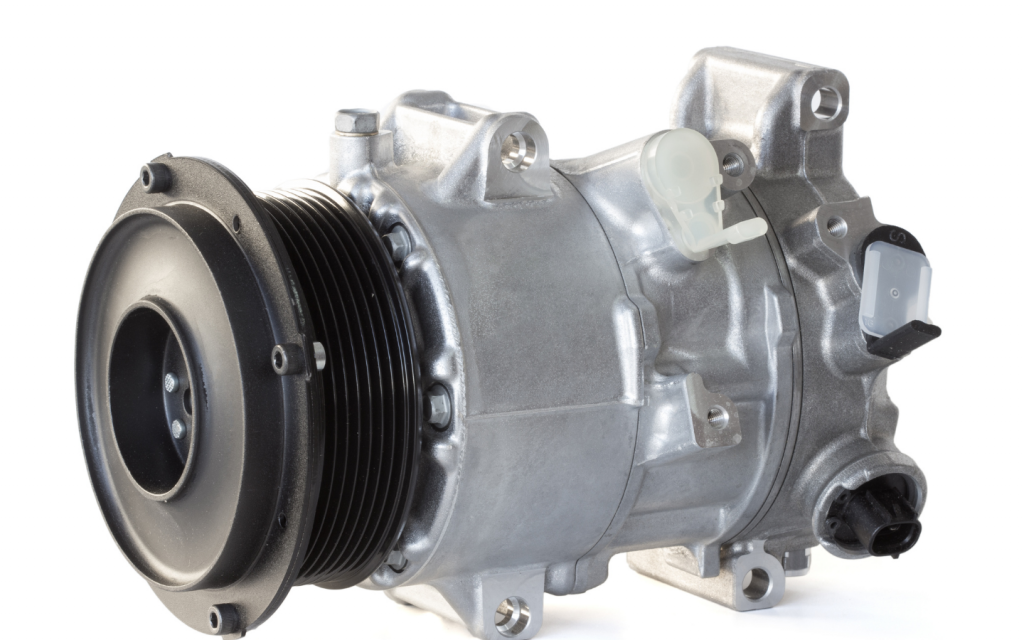
- Compressor: A mechanical device responsible for circulating refrigerant gases and compressing them to increase their temperature.
- Condenser: Cools down the gases and turns them into liquid form.
- Expansion Device: Reduces the pressure of the refrigerant to evaporate it conveniently.
- Evaporator: Soaks up moisture or heat from the car cabin.
- Dryer: Removes dust from the liquid.
- Refrigerant: Fluid used to absorb heat from the car.
- Electromagnetic Clutch: Responsible for transferring power from the crankshaft to the compressor.
- Cabin Filters: The cabin air filter cleans the air before it enters into the car.
- Auxiliary Heaters: Additional heaters are used to quickly heat the car cabin.
How a Car’s HVAC System Works
The HVAC system’s operation can be controlled either manually or automatically. In a few vehicles, the system can be zoned and controlled to provide a comfortable driving experience. Here is how the car’s HVAC system works.
Working of the Cooling System
The working of an auto HVAC system starts from a compressor. The compressor contains a blower motor which collects air from the environment. This low-pressure cool air is then compressed and converted into high-pressure hot gas.
The high-pressure and hot gas travels from the compressor to the condenser. Inside the condenser, the gas is converted into high-pressure liquid.

From the condenser, the high-pressure liquid enters into the dryer also known as the receiver where the liquid is filtered. The high-pressure cleaned liquid from the dryer is supplied to the thermal expansion valve.
In the thermal expansion valve, the liquid expands and converts into low-pressure gas. In the last step, the gas travels through the evaporator reducing its temperature. The evaporator motor pushes the cool air out through the AC vents.
Working of the Heating System
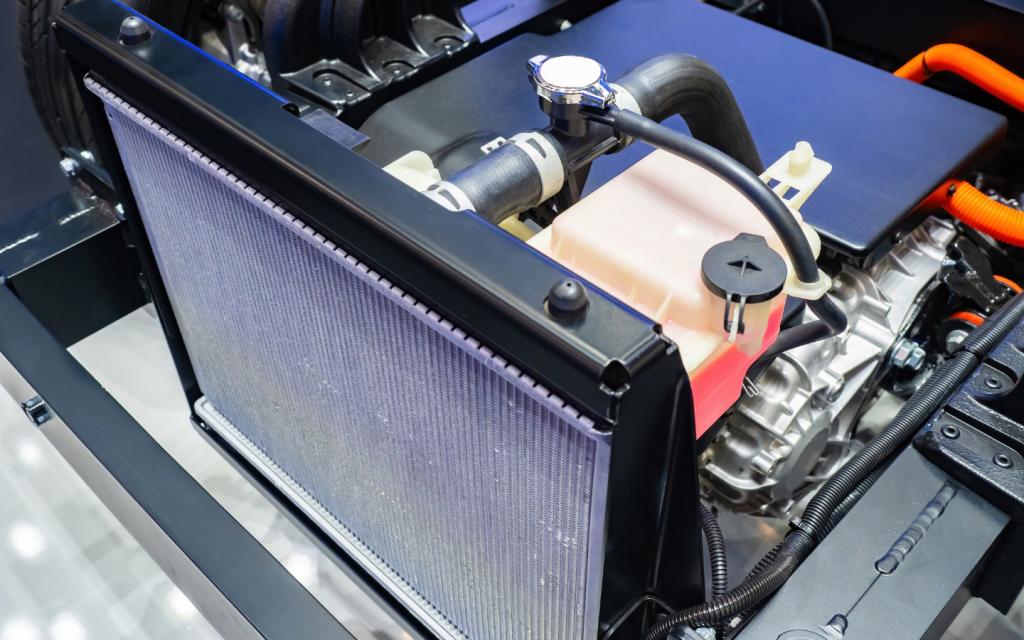
The heating system is an extension of the cooling system in which hot coolant from the engine is transferred into the car radiator passing through a radiator thermostat. From the radiator, the heated coolant enters into the heater core, increasing the heater core’s wall temperature and blowing hot air inside the cabin.
Symptoms of a Bad Auto HVAC System
Following are the signs which indicate a malfunctioning car HVAC system.
Smell of Antifreeze
The smell of antifreeze from the vents is a symptom of a failing HVAC system in cars. The smell is often caused due to clogged or worn-out heaters. Other than that, coolant leakage and mixing in the cooling system can also cause the antifreeze smell.
Coolant when entering into a cooling system is burned during the process, producing a foul smell. Besides, here are some other reasons for the burning smell in a car.
Irregular Temperature
The core purpose of an HVAC system is to regulate the cabin temperature. That said, inconsistent cooling or heating in a car indicates a failing HVAC system. The inconsistency can be backed by multiple reasons. This is why, it is suggested to seek professional assistance and get the system checked.
Here is a list of AC repair shops in Dubai that can assist you in this matter.

Unusual Noises
Hissing noise from car AC or any other unusual noise indicates a faulty HVAC system. The unusual noises are often caused when any component of the HVAC system is broken or working improperly.
Water Leakage
Car AC leaking water shows that the moisture is not adequately removed prior to blowing the air inside the cabin. Water leakage is often caused due to a clogged or malfunctioning dryer present in a cooling system. It is recommended to fix the issue immediately, as water dripping from the dashboard can affect other parts.
Weak Air Flow
A control module is present in the HVAC system to control the airflow inside the cabin. That said, a weak air flow is backed by a faulty control module. Besides control modules, malfunctioning of other HVAC system components can also cause weak airflow.
FAQs
What does an HVAC system stand for?
HVAC stands for ‘Heating, Ventilation and Air Conditioning’ system.
What is an HVAC system in a car?
The HVAC system is responsible for regulating the temperature inside the car cabin.
Can I fix the HVAC system at home?
No, the HVAC system is complex and contains multiple parts which are difficult to repair at home.
This was all about the car’s HVAC system, its working and its components. The HVAC system is necessary to maintain the cabin’s temperature. Considering its importance, a number of leading auto manufacturers are offering advanced and efficient HVAC systems in their cars. You can browse through these new cars for sale in the UAE and choose an appropriate vehicle with an efficient HVAC system.
Besides, here is a car maintenance checklist that you can adhere to maintain your new vehicle.
Stay tuned to dubizzle’s auto blog for more information on car AC systems.
Related Posts