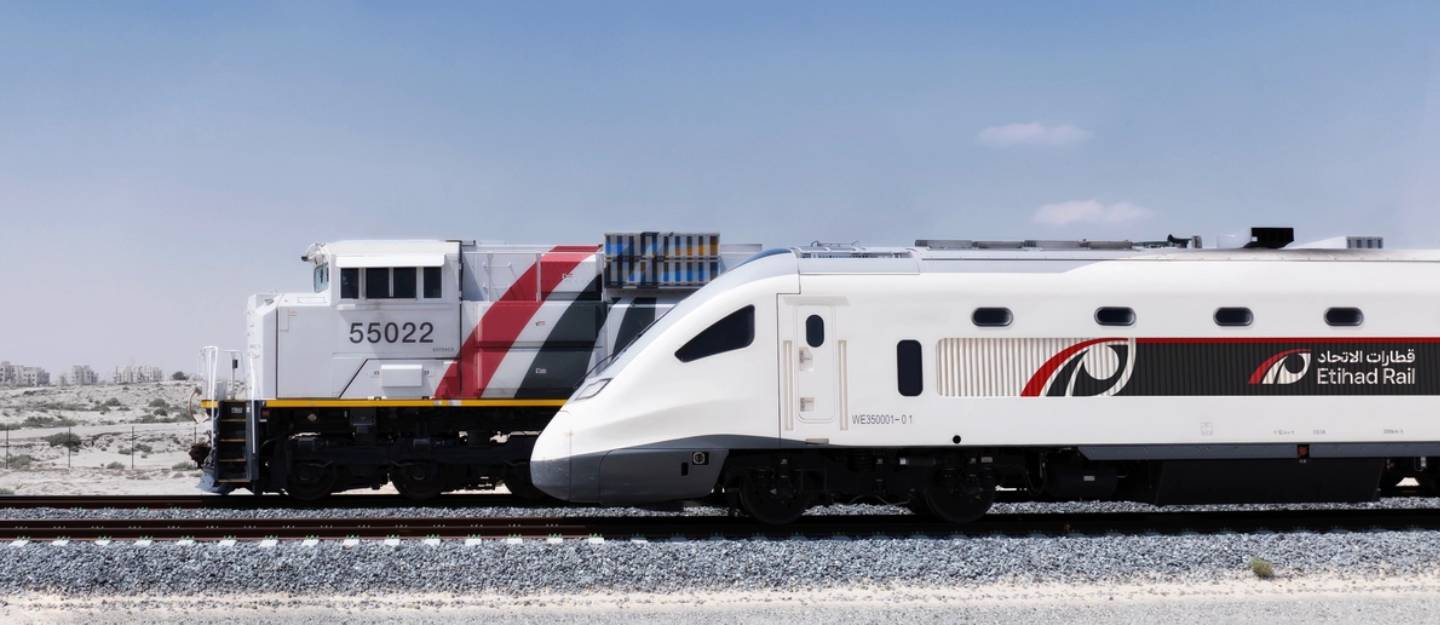
Etihad Rail is a transformative infrastructure project in the UAE. It is designed to connect the seven emirates through a long stretch of railway network while linking the country to neighbouring GCC nations. Established in 2009, the project is envisioned to play a pivotal role in enhancing logistics, trade and passenger transport across the region. By evaluating the project’s scope, it is evident that Etihad Rail is not just a catalyst for economic growth but also a cornerstone of sustainable development. Here are some FAQs about the Etihad Rail project to help you learn more about this progressive development.
FAQs About the Etihad Rail Project
The Etihad Rail project has garnered significant attention for its potential to revolutionise public transportation. Numerous partnerships and agreements have been signed to ensure the successful implementation and operation of this mega-project. The following frequently asked questions about the Etihad Rail project shed light on various aspects of this transformative development.
What is the length of the Etihad Rail network?
Once completed, the Etihad Rail network will span 1,200 km. Much like the UAE highway network, it will connect all seven emirates. The strategic route will connect the traffic from one end of the country to the other.
What are the benefits of Etihad Rail?
Etihad Rail will contribute AED 3.5B to the UAE’s GDP by 2030, reduce road congestion and cut carbon emissions. The seamless goods transportation link will replace millions of truck trips. More than 50 million tonnes of goods will be transported via Etihad rail annually, alongside the eco-friendly passenger services. The network will connect industrial zones, ports and raw material sources, strengthening trade and logistics.

When did Etihad Rail’s first phase become operational and what was transported during this phase?
The first phase of Etihad Rail became fully operational in 2016. It primarily transports granulated sulphur. It has the capacity of ferrying over 22,000 tonnes daily from Shah and Habshan to the port of Ruwais.
What types of goods can Etihad Rail transport?
Etihad Rail will transport various goods, including sugar, hay, polymers, ceramics, metals, waste and shipping containers. There are specialised wagons suited for different cargo types.
Will Etihad Rail cater to passenger transport?
Yes, Etihad Rail plans to cater to passenger transport in the future, offering safer, more efficient, and environmentally friendly travel across the UAE and to neighbouring GCC countries.
How many goods can the network transport upon completion?
Once completed, the network will have the capacity to transport over 50 million tonnes of goods annually.
How does Etihad Rail connect with neighbouring countries?
Etihad Rail connects to Saudi Arabia via Ghuweifat in the west and to Oman via Al Ain in the east, forming part of the broader GCC Railway Network. The strategic scope of the projects makes it one of the key FAQs about the Etihad Rail Project.
What are some interesting facts about Etihad Rail?
Etihad Rail is a state-of-the-art railway system connecting the UAE’s emirates and neighbouring GCC countries. One of the interesting facts about Etihad Rail is its eco-friendly scope. The project is designed to offer efficient passenger and cargo transport while reducing carbon emissions. It is also envisioned to boost the economy with thousands of jobs and preserve wildlife through associated eco-friendly initiatives.
Is there any noteworthy recent development in terms of Etihad Rail?
Etihad Rail Passenger Train is set to witness an operational launch on June 30, 2026. The operational phase will connect Abu Dhabi and Fujairah. The opening of the Dubai Train Station and the Al Dhaid Train Station is scheduled for 30th September 2026. Furthermore, the route is planned to be completed on 30th March 2027, after the opening of Sharjah Train Station.
Are there any discounts or introductory offers for the launch of Etihad Rail Passenger Train Service?
Yes, a 50% introductory discount is offered on fares between Abu Dhabi and Fujairah for the Comfort Class and Premium Class.
There you have it – some important Etihad Rail Project frequently asked questions. All the insights about the mega project have been detailed above. The different types of common questions for the Etihad Rail Project hint at its diverse scope and significance for the region’s future. Similarly, holistic developments, such as Dubai’s Green Mobility Strategy 2030 have also set a new precedent for urban transportation.
While going through the Etihad Rail Project FAQs about the project’s eco-friendly scope, has upgrading your ride crossed your mind? If yes, you can explore a range of used and new cars for sale in the UAE. There are plenty of hybrid and electric vehicles available for those who prefer reducing their carbon footprint.
For more updates on public transport and related infrastructure, make UAE’s leading auto blog your daily read.
Related Posts