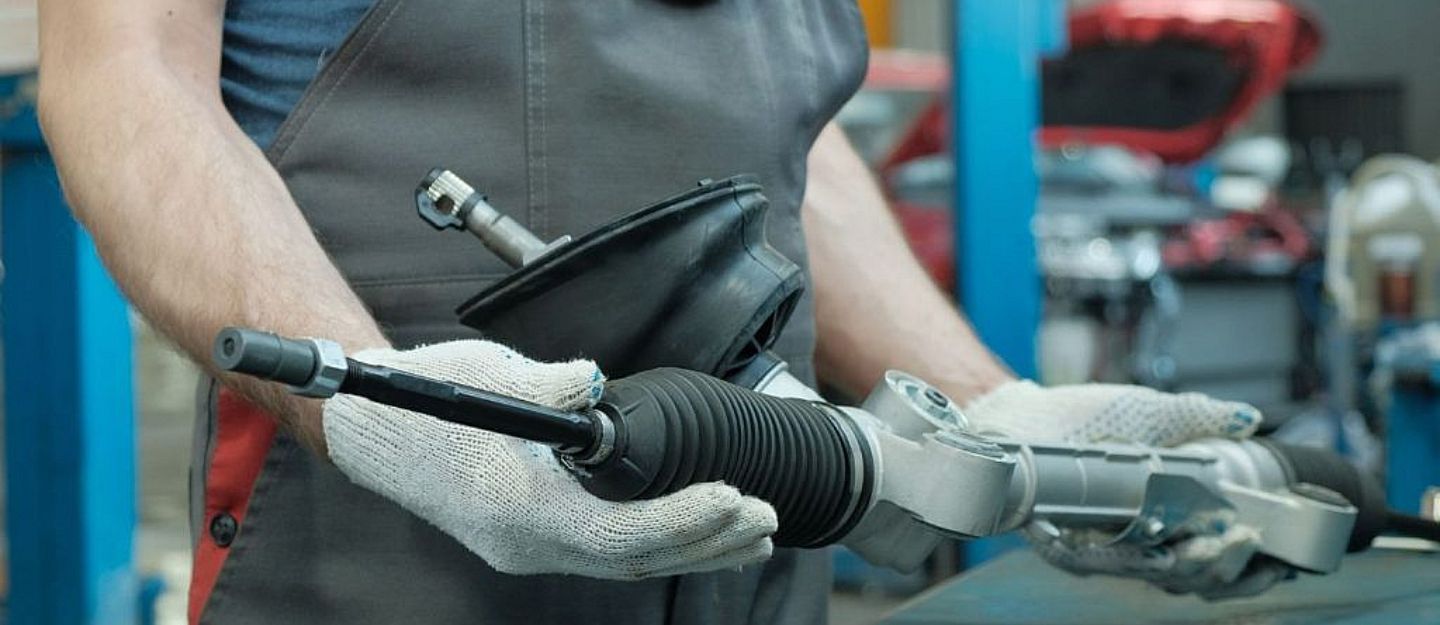
Modern vehicles have evolved far beyond purely mechanical steering systems. Today, car manufacturers continuously refine steering technology to improve comfort, fuel efficiency and driving precision. One of the most interesting developments in the transition from traditional hydraulic steering to fully electric steering is Electro-Hydraulic Power Steering (EHPS).
By combining hydraulic steering assistance with electric control, EHPS delivers improved efficiency without completely losing the familiar steering feel many drivers prefer.
What Is Electro-Hydraulic Power Steering
Electro-hydraulic power steering, also known as Electrically Powered Hydraulic Steering, combines hydraulic steering components with an electrically operated hydraulic pump. Unlike conventional hydraulic steering, which relies on an engine-driven belt and pump. EHPS uses an electric motor to generate hydraulic pressure only when steering assistance is required.
This allows the vehicle to reduce unnecessary energy consumption while maintaining the responsiveness associated with hydraulic steering systems.
This creates a middle ground between:
- Conventional Hydraulic Power Steering (HPS)
- Fully Electric Power Steering (EPS)
Components of an Electro-Hydraulic Power Steering System
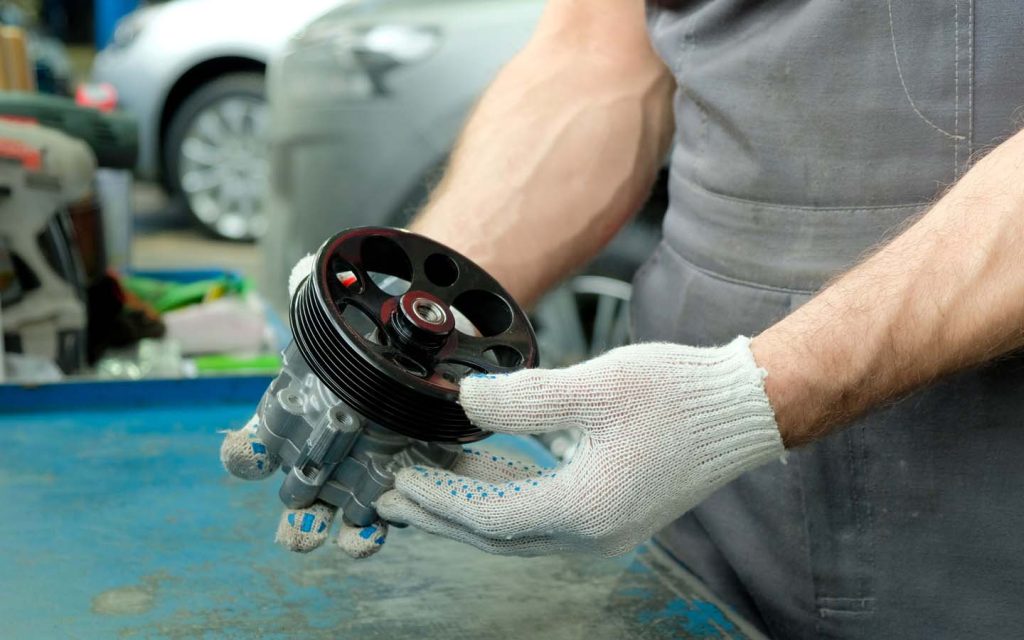
Several components work together to make EHPS function efficiently. Unlike a fully electric system, EHPS depends on hydraulic assistance. The major components of EHPS include:

- Steering wheel and steering column
- Electric Control Unit (ECU)
- Electric motor
- Hydraulic pump assembly
- Hydraulic fluid reservoir
- Rack-and-pinion steering system
- Hydraulic lines
- Steering and pressure sensor
How Does Electro-Hydraulic Power Steering Work?
EHPS uses electrical power to generate hydraulic pressure for steering assistance. Here is a breakdown of the process:
- Step 1: Driver turns the steering wheel: When the driver turns the steering wheel, the system detects steering wheel movement and sends information to the Electronic Control Unit.
- Step 2: Sensors evaluate driving conditions: The control unit determines how much steering support is required based on factors such as vehicle speed, steering angle and steering load.
- Step 3: Electric motor activates the hydraulic pump: Instead of relying on engine speed, the electric motor drives the hydraulic pump directly.
- Step 4: Hydraulic pressure assists steering: Hydraulic fluid moves through the steering rack to reduce the force required to turn the wheels.
- Step 5: Steering assistance adjusts automatically: At lower speeds, steering becomes lighter for parking and city driving. At higher speeds, assistance is reduced to provide better road feedback and stability control.
Benefits of Electro-Hydraulic Power Steering
Some of the common benefits of EHPS include:
Improved Fuel Efficiency
Traditional hydraulic pumps operate continuously and place a constant load on the engine. EHPS only activates when assistance is necessary, helping reduce energy consumption and improve overall vehicle efficiency.
Better Steering Feel
Hydraulic steering systems are often appreciated for their direct and connected steering feedback. EHPS retains much of this natural steering sensation while introducing electronic optimisation.
Consistent Steering Performance
Because steering assistance is not dependent on engine speed, drivers receive more predictable steering support in different driving conditions.
Greater Packaging Flexibility
Manufacturers gain more freedom in engine bay design because the pump does not need direct belt-driven placement.
EHPS vs Hydraulic vs Electric Power Steering
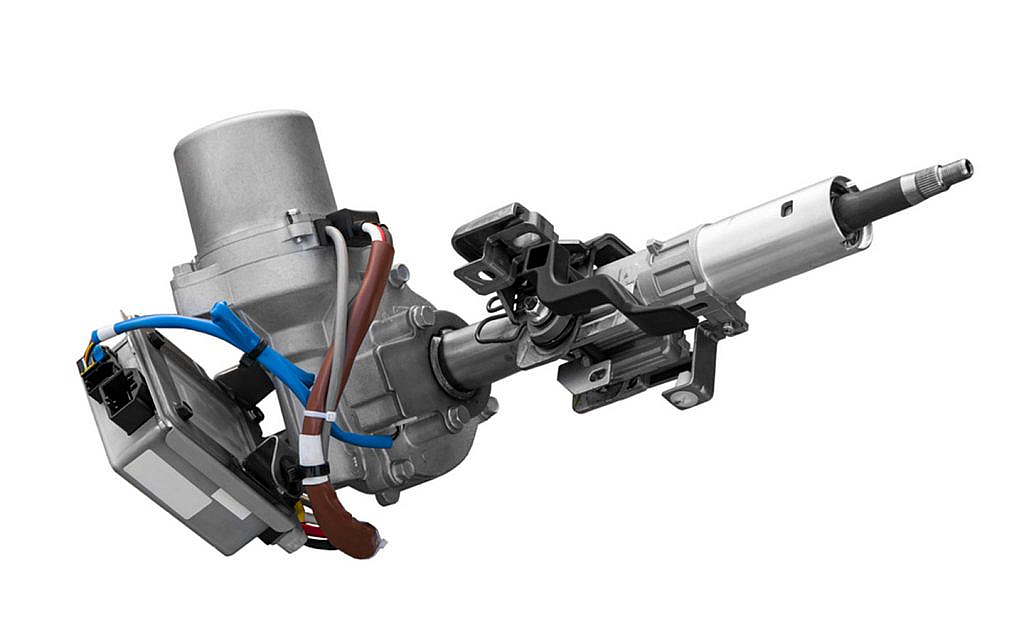
Although all three steering wheel types serve the same purpose, they differ significantly in operation.
The main difference between electronic and hydraulic and EHPS includes:
| Feature | Hydraulic (HPS) | Electro-Hydraulic (EHPS) | Electric (EPS) |
| Steering assist source | Engine-driven pump | Electric motor + hydraulic pump | Electric motor |
| Hydraulic fluid | Yes | Yes | No |
| Fuel efficiency | Lower | Improved | Highest |
| Steering feel | Strong | Balanced | Varies |
| Maintenance | Higher | Moderate | Lower |
| Driver assistance compatibility | Limited | Moderate | Excellent |
Common Symptoms of EHPS Problems
Like any automotive system, EHPS can develop issues over time. Recognising early warning signs can help prevent expensive repairs. Common symptoms include:
- Heavy steering feel
- Steering warning light
- Buzzing or whining noise
- Delayed steering response
- Hydraulic fluid leaks
- Intermittent steering assistance
If these symptoms appear, consider getting the vehicle checked through a professional inspection service as soon as possible. You can also book a detailed pre-purchase or condition assessment through the dubizzle Car Inspection Service for a comprehensive evaluation.
EHPS Maintenance Tips
Proper maintenance can improve system reliability and extend component lifespan. Consider these maintenance practices:
- Check hydraulic fluid regularly, as low or degraded fluid can reduce steering performance and increase wear on the pump and internal components.
- Replace contaminated fluid when needed, as dirty or old fluid may lead to poor hydraulic pressure, increased component wear and reduced steering smoothness.
- Inspect hoses and connectors for leaks, as fluid leaks can lower hydraulic pressure and eventually cause heavy or inconsistent steering.
- Avoid holding the steering at full lock for extended periods, as this can cause overheating and pressure spikes in the hydraulic pump, increasing the risk of premature pump wear.
- Address steering warning lights immediately, as ignoring warning indicators may allow minor electrical or hydraulic faults to develop into more expensive repairs.
FAQs
What are the common problems with electro-hydraulic power steering systems?
Common EHPS steering system issues include heavy steering, hydraulic fluid leaks, unusual pump noises and intermittent steering assistance.
Are electro-hydraulic power steering systems fuel-efficient?
Yes, EHPS is generally more fuel-efficient than traditional hydraulic steering systems because the electric pump operates only when steering assistance is required.
How does electro-hydraulic power steering differ from electric power steering?
EHPS still uses hydraulic fluid and hydraulic pressure to assist steering, whereas EPS relies entirely on electric motors and does not require hydraulic components.
There you have it, all about electro-hydraulic power steering. Whether you are considering a vehicle equipped with EHPS or simply comparing steering technologies before making a purchase, understanding how the system works can help you make a more informed decision.
If you are planning to upgrade your vehicle, check the listings of the latest and used cars for sale in the UAE on dubizzle to explore models with different steering technologies and features that match your driving preferences.
Stay tuned to dubizzle’s auto blog to learn more about different car parts and automotive technologies.
Related Posts