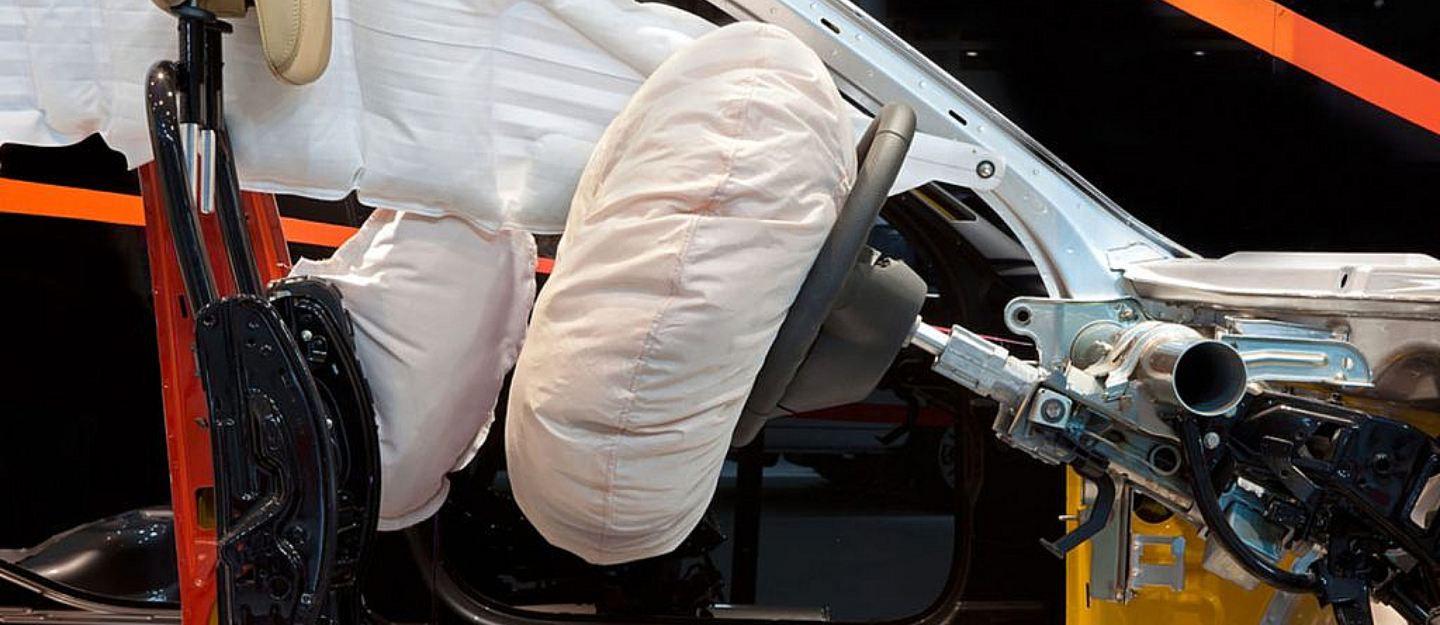
Together with seat belts and crumple zones, car airbags help reduce injuries and improve occupant safety. While early airbags were only meant to reduce frontal impact in an accident, the technology has come a long way. Modern cars come equipped with different types of airbags to protect the driver as well as passengers from the impact of a collision.
How do Car Airbags Work?
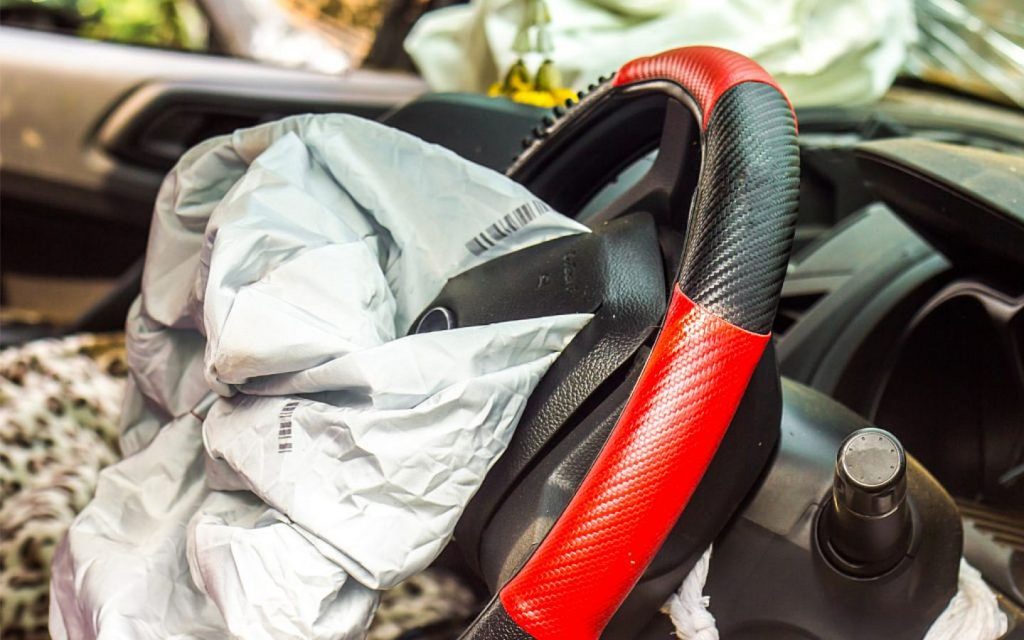
The car airbag system is activated when the crash sensors detect a collision. These sensors release nitrogen gas into the nylon airbags, which inflate and act as a cushion between the person and the car’s interior. This whole process takes around 20 to 30 milliseconds. That’s as quick as a blink. Airbags deflate after deployment to cushion the impact. Since airbags are deployed so quickly, they work as supplemental safety equipment with seatbelts, which were mandated years before airbags.
Types of Airbags in Cars
Car airbags are classified based on their location in the vehicle, with each of which is designed to serve a specific safety or protection purpose. They act as a shield in different types of car accidents, reducing the impact and potential injury risks. Here are the most common types of airbags found in modern cars:

- Front airbags: These airbags deploy from the centre of the steering wheel to protect the driver during a frontal collision. For the front passenger, the airbag deploys from the dashboard or instrument panel. It is an added layer of protection in addition to the crumple zone in case of frontal crashes.
- Knee airbags: Located beneath the steering column or dashboard, knee airbags in cars help protect the driver’s knee. Moreover, in some vehicles, the front passenger’s knees and lower legs during a crash.
- Side airbags: Typically integrated into the front seats or doors, side airbags protect the chest and pelvis during side-impact collisions and can also help in rollover accidents.
- Curtain airbags: These airbags deploy downward from the roof lining along the side windows to protect the heads of front and rear occupants during side impacts or rollovers.
- Rear-seat airbags: Fitted in some premium vehicles, rear-seat airbags deploy to protect passengers in the back seats during frontal collisions, reducing the risk of head and chest injuries.
- Centre airbags: Positioned between the driver and front passenger, centre airbags deploy during side impacts to prevent occupants from colliding with each other, offering additional protection for the head and upper body.
- Seat-belt airbags: Built into the seat belt itself, these airbags inflate during a collision to spread crash forces across a wider area of the chest and shoulder.
- Pedestrian airbags: These are designed to reduce injuries to pedestrians in the event of a collision. They typically deploy from the rear edge of the bonnet and cover the lower section of the windscreen and A-pillars, cushioning the impact to the pedestrian’s head.
FAQs
When were airbags introduced?
Airbags were first introduced in production vehicles during the 1970s and became widely available in the 1980s and 1990s as vehicle safety standards evolved.
What does ‘SRS Airbag’ embossed on the steering wheel mean?
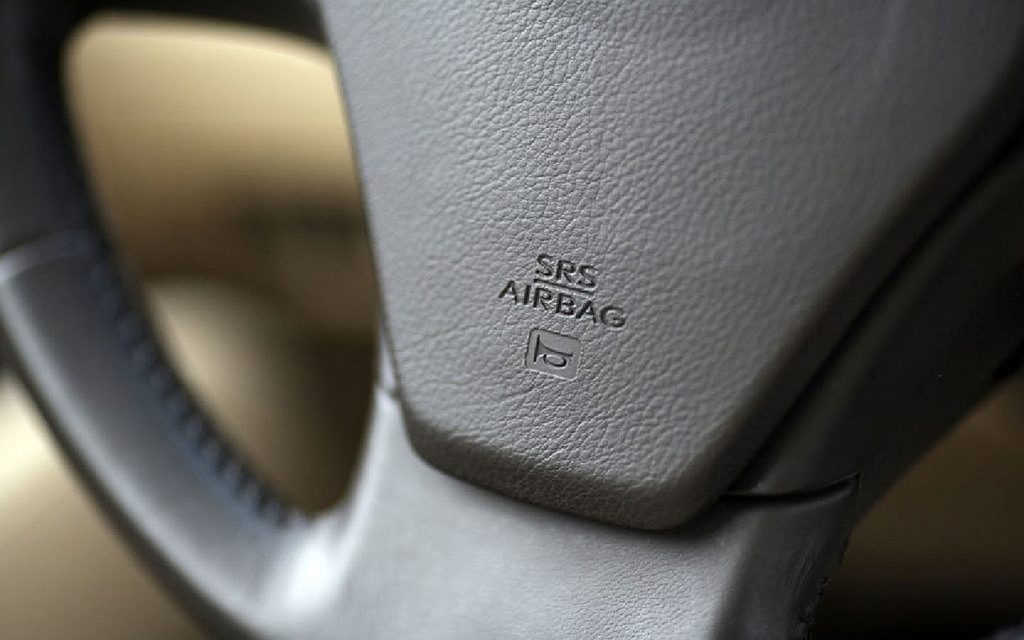
SRS stands for Supplemental Restraint System, indicating that the airbag is part of a safety system designed to work alongside seat belts for enhanced occupant protection.
How can I check if my car’s airbag system is working?
The SRS dashboard warning light should illuminate briefly when you start the car and then turn off. If it stays on, flashes or doesn’t light up, have the system inspected by a qualified technician. Make sure the car airbags are working properly to ensure safety.
How can I ensure my car’s airbags are safe?
Always wear your seat belt, avoid tampering with the SRS components and have the airbag technology inspected after an accident or whenever the SRS warning light comes on.
Can airbags be replaced after deployment?
Yes, deployed airbags can and must be replaced. However, the work should only be carried out by an authorised service centre or as per the car owner’s manual instructions.
This is all there is to know about airbags in vehicles. It is important to know how many airbags a vehicle has and whether they are all functioning properly or not. Additionally, many other modern car safety features play a key role in reducing the impact of accidents and protecting lives.
Check for all safety features when buying a new car or opting for a used one. Opt for expert vehicle inspection services by dubizzle to make an informed decision.
Stay tuned to the UAE’s leading auto blog for more informative posts.
Related Posts