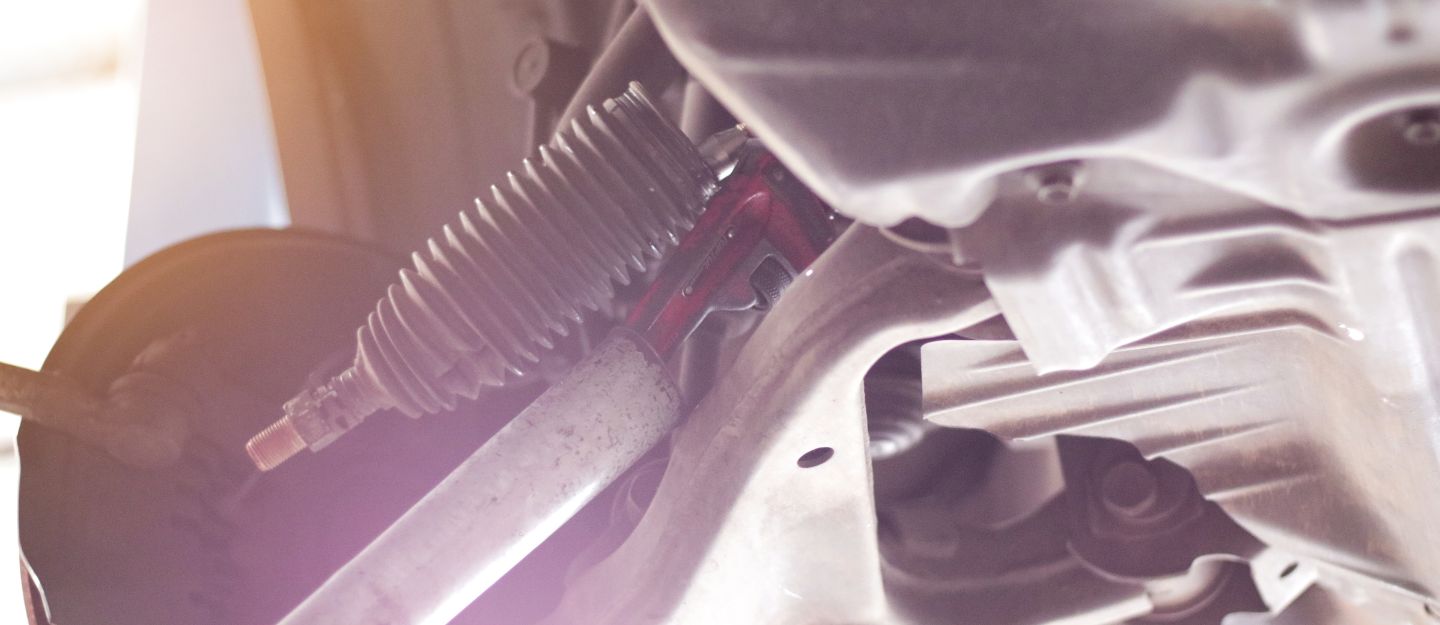
Steering is one of the most important systems in any vehicle. It directly affects how smoothly and safely a car responds to the driver’s commands. Over the years, different types of steering mechanisms have been developed, but the rack and pinion steering system has become the most widely used in modern passenger vehicles. Its compact design, accurate handling and reliability make it the preferred choice for manufacturers and drivers alike.
What Is a Rack and Pinion Steering System
The rack and pinion steering system is a mechanical setup that converts the rotational motion of your steering wheel into the linear motion needed to turn your vehicle’s wheels. It consists mainly of two parts:
- Pinion gear: A small round gear connected to the steering shaft.
- Rack gear: A long flat, toothed bar that moves left or right when the pinion rotates.
When you turn the steering wheel, the pinion gear rotates and moves the rack gear sideways. This sideways movement is transmitted to the tie rods and then to the wheels, allowing the car to turn in the intended direction.
Components of the Rack and Pinion System
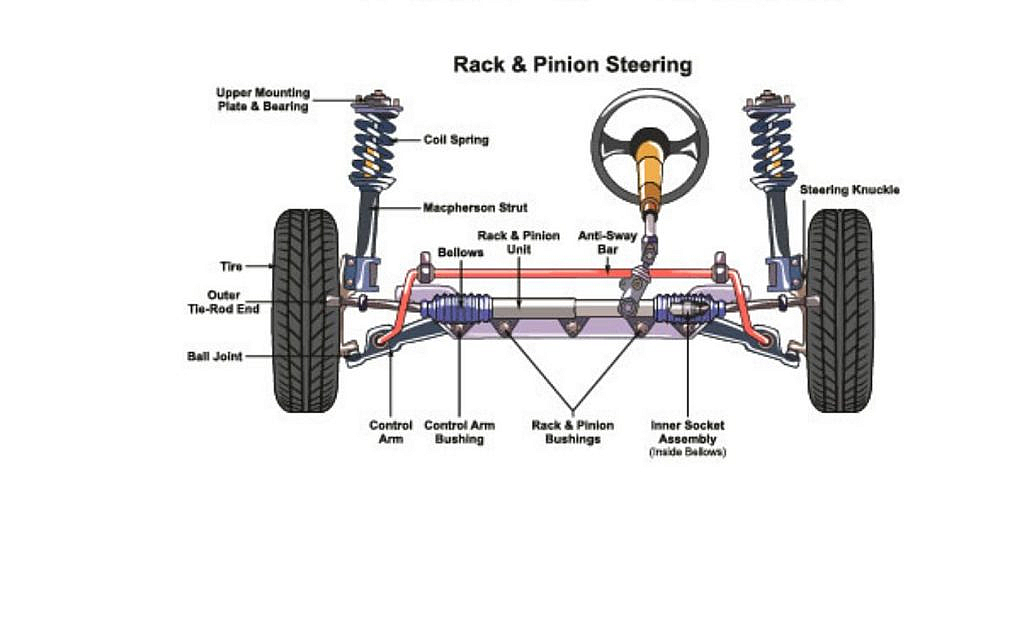
To understand fully, let’s break down the major rack and pinion steering parts:
Steering Wheel and Steering Shaft
The process begins with the steering wheel, which the driver rotates to control direction. This wheel is connected to the steering shaft, also called the steering column, which transfers the driver’s input down to the pinion gear.
Pinion Gear
At the end of the shaft is the pinion gear, a small round gear that engages directly with the rack gear. When the pinion rotates, it sets the entire rack in motion.

Rack Gear
The rack is a long, flat bar with teeth along one side. As the pinion gear turns, these teeth allow the rack to slide left or right. This movement converts the driver’s rotational steering input into linear motion, which is necessary to turn the wheels.
Tie Rods
Connected to both ends of the rack are the tie rods. These rods transmit the rack’s movement to the steering knuckles, ensuring that the wheels respond precisely to the driver’s command.
Steering Knuckles
The tie rods are attached to the steering knuckles, which act as pivot points for the wheels. When the tie rods push or pull the knuckles, the wheels turn in the required direction.
Power Steering Assist Mechanism
In vehicles with power steering, extra components are added to reduce effort. Hydraulic systems use a pump, fluid reservoir and hoses to provide pressure assistance. Electric systems rely on an electric motor and control unit to make steering lighter and more efficient, while also integrating with advanced driver-assist technologies.
How Rack and Pinion Steering Works
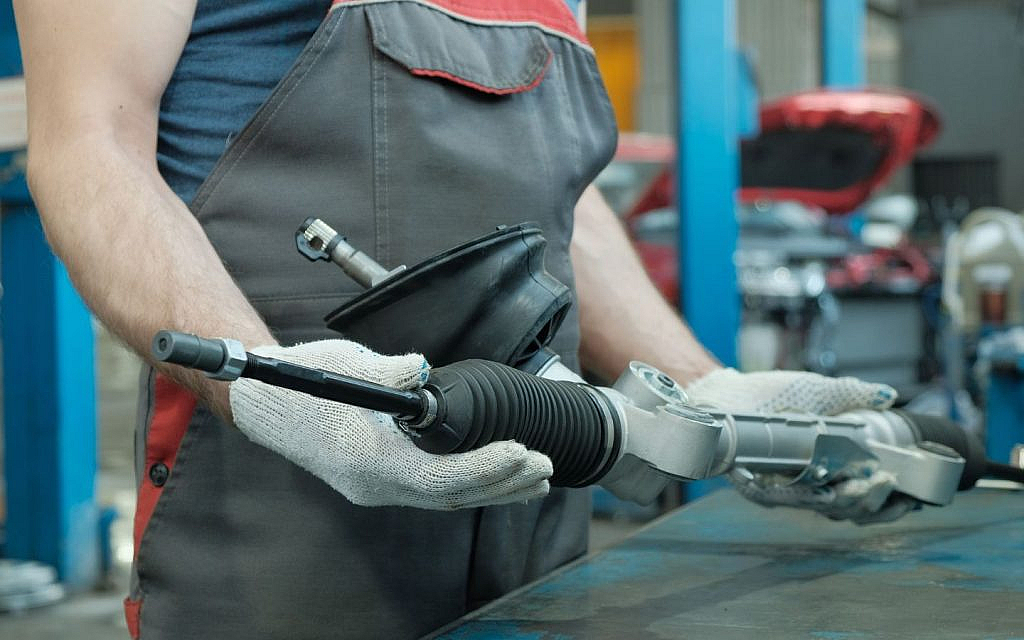
Here’s a simple step-by-step explanation of the process:
- The steering wheel is connected to a shaft, which has a small circular gear called the pinion attached to its end.
- When the driver turns the steering wheel, the pinion gear rotates.
- This pinion gear meshes with a flat, toothed bar known as the rack.
- As the pinion turns, it moves the rack sideways, either left or right, depending on the steering direction.
- The rack is connected on each end to tie rods, which are in turn linked to the steering arms and steering knuckles of the wheels.
- This sideways movement of the rack pushes or pulls the tie rods, causing the front wheels to turn accordingly.
Types of Rack and Pinion Steering
Although the basic principle is the same, the rack and pinion system can be classified into different types:
- Manual Rack and Pinion: Relies purely on driver input without any assistance. It’s lightweight and simple but requires more effort at low speeds.
- Power-Assisted Rack and Pinion: The most common type today, available in two forms:
- Hydraulic Power Steering (HPS): The hydraulic power steerings use hydraulic fluid pressure to reduce steering effort.
- Electric Power Steering (EPS): The electric power steering system uses an electric motor instead of fluid, improving fuel efficiency and reducing maintenance needs.
Rack and Pinion Steering Advantages
Rack and pinion steering has several benefits, some of which include:
- Compact Design: Requires less space, making it suitable for small and mid-sized cars.
- Precise Handling: Provides accurate steering control with direct road feedback.
- Lightweight: Helps improve fuel efficiency compared to bulkier steering systems.
- Cost-Effective: Fewer parts mean lower manufacturing and repair costs.
- Low Maintenance: Simplified mechanism reduces chances of mechanical failure.
Common Problems in Rack and Pinion Steering
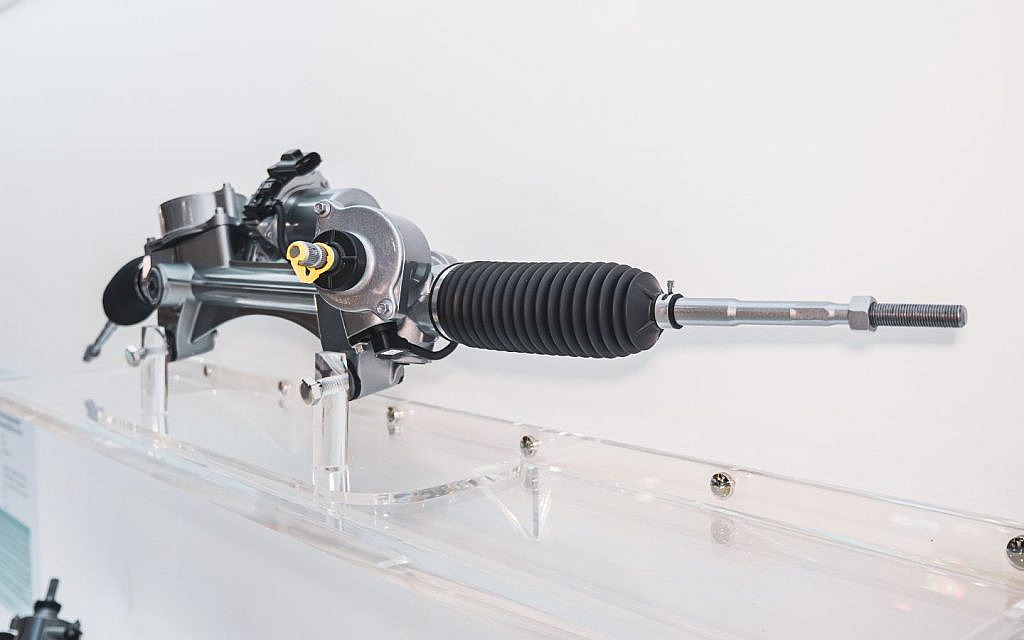
Like all car components, the steering system is subject to wear and tear. Some common rack and pinion steering problems are:
- Leaking Power Steering Fluid: In hydraulic systems, worn seals can cause leaks, making the steering wheel harder to move.
- Loose or Sloppy Steering: Worn tie rods or rack components may lead to play in the steering.
- Steering Noise: Grinding, knocking or whining sounds often indicate damage to gears or the fluid pump.
- Difficulty Turning: A failing hydraulic pump or motor (in EPS) can make steering stiff.
Regular inspections, fluid checks (for hydraulic systems) and replacing worn components can extend the life of the steering system.
Maintenance Tips for Rack and Pinion System
Here are the rack and pinion steering maintenance tips to keep the system in good shape:
- Check for Leaks: Inspect under the car for any hydraulic fluid drips.
- Monitor Steering Response: If steering feels loose or stiff, have it inspected.
- Listen for Noises: Any grinding or knocking sound needs immediate attention.
- Replace Worn Tie Rods: Since they directly connect to the wheels, they are critical for safety.
- Wheel Alignment: Regular wheel alignment checks prevent extra stress on the rack.
FAQs
How long does a rack and pinion system last in the UAE?
Typically, it can last 100,000 km or more, depending on driving conditions and maintenance.
Can a leaking rack and pinion be repaired?
Minor leaks may be repairable with seal replacement, but in many cases, a full replacement is recommended.
Is rack and pinion better than a recirculating ball steering system?
Yes, for most modern cars. Rack and pinion is lighter, more precise and easier to maintain. Recirculating ball systems are stronger and still used in heavy vehicles like trucks, but cars in the UAE almost always use rack and pinion.
What are the symptoms of a failing rack and pinion steering?
Symptoms include leaking fluid, unusual steering noises, loose steering response, stiffness when turning and uneven tire wear. Ignoring these signs may lead to unsafe driving conditions.
The rack and pinion steering system is the backbone of modern car handling. Whether manual, hydraulic or electric power steering, keeping this system well-maintained ensures smooth steering, better control and safer driving.
If you are planning to buy a used car for sale in the UAE, have your steering checked by a professional mechanic to avoid bigger issues on the road.
Stay tuned to the dubizzle’s autos blog to know more about the car’s parts.
Related Posts