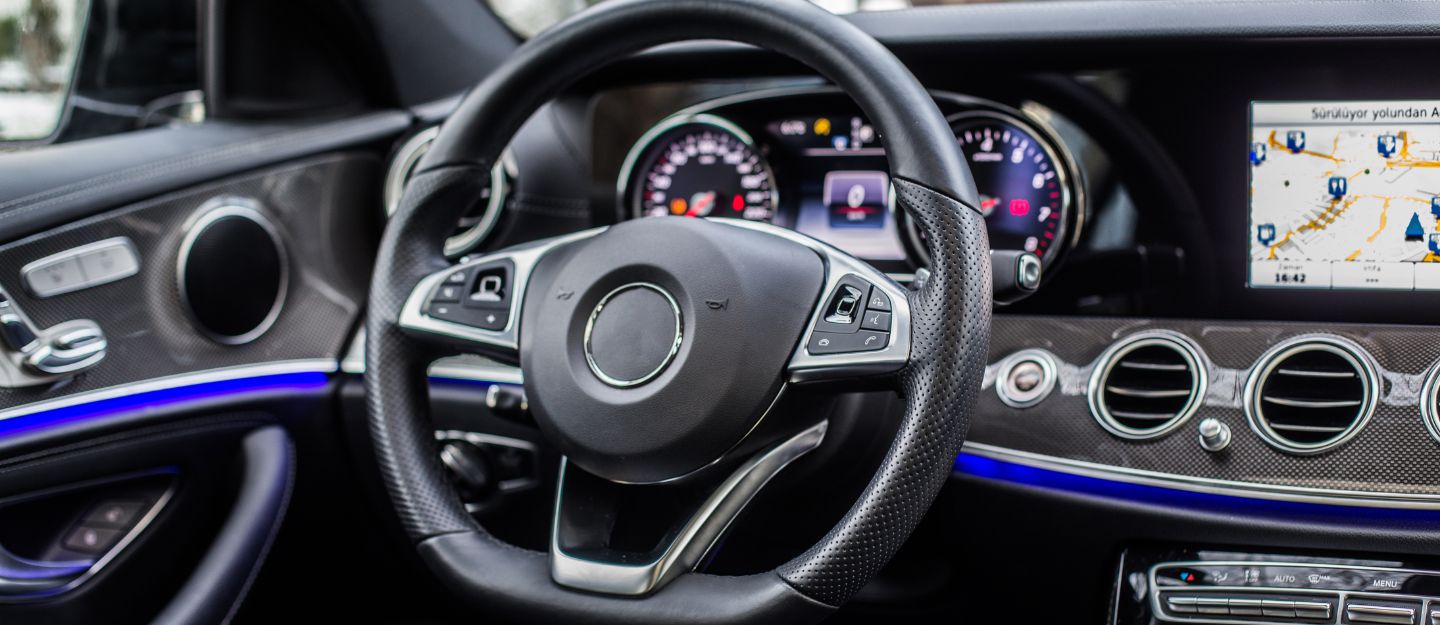
Modern vehicles are steadily moving away from mechanical setups in favour of electrically driven systems that improve efficiency and driver control. Many latest models now come equipped with Electric Power Steering (EPS), which uses an electric motor and sensors rather than fluid pressure to assist steering input. The result is more precise handling, smoother manoeuvring and improved drivability.
What Is the Electric Power Steering (EPS) System
Car steering has evolved significantly over the years, moving from mechanical systems to hydraulic assistance and now to Electric Power Steering (EPS). EPS uses a motor and an Electric Control Unit (ECU) for steering assistance. Sensors monitor the driver’s steering input along with vehicle speed, allowing the system to adjust assistance accordingly and reduce the physical effort to turn the wheel.
Types of Electric Power Steering
Electric Power Steering (EPS) comes in several types, each suited to different vehicle sizes, steering loads and driving characteristics. The most common EPS configurations include:

- Column-assist: The motor is mounted on the steering column, providing better assistance.
- Pinion-assist: The motor supports the pinion gear, offering more direct assistance and improved steering feedback.
- Dual-pinion assist: This configuration uses two pinions to manage higher steering forces more effectively, making it suitable for larger vehicles.
- Rack-assist: The motor is connected directly to the steering rack, allowing it to handle higher torque requirements with greater precision.
Electric Power Steering System Working
An Electric Power Steering (EPS) system relies on a network of sensors to monitor inputs in real time. As the driver applies steering input, a torque sensor measures the force exerted at the wheel, while speed and position sensors track vehicle speed and steering angle.
The Electronic Control Unit (ECU) then interprets these readings and calculates the exact level of assistance needed. Once the ECU determines the required support, it commands the motor to apply additional force through the steering mechanism, making manoeuvres smoother and more controlled.
Assistance is continuously adjusted based on speed, steering angle and driving conditions, keeping the steering lighter at low speeds and more stable at higher speeds. As the motor only engages on demand, EPS doesn’t require power consistently, improving overall efficiency.
Benefits of Electric Power Steering (EPS) in Cars
The key advantages of an Electric Power Steering (EPS) system in cars include:
- Improved efficiency: EPS draws power only when steering assistance is needed, unlike hydraulic systems, where the pump runs continuously.
- Compact and lightweight: EPS is typically lighter than hydraulic setups, helping reduce overall vehicle weight.
- Tech integration: EPS works smoothly with modern safety and driver-assistance features such as lane-keeping assist and stability control, as these systems rely on precise electronic steering inputs.
- Lower maintenance: With fewer moving parts and no hoses, EPS is less prone to leaks and generally requires less maintenance over time.
FAQs
What is an electric power steering (EPS) system and how does it function?
Electric Power Steering uses an electric motor and sensors to assist steering based on driver input and vehicle speed. The system adjusts assistance in real time, improving stability while manoeuvring and driving at higher speeds.
What are the main benefits of electric power steering over hydraulic systems?
EPS offers better efficiency, smoother steering response and easier integration with modern safety features.
Does electric power steering improve the fuel efficiency of a car?
EPS can support improved fuel efficiency as it consumes power only when steering assistance is required, unlike hydraulic systems that place a constant load on the engine.
What is the difference between EPS and hydraulic steering systems?
The core difference between EPS and hydraulic steering systems is in design and working. EPS uses an electric motor and electronic controls, while hydraulic steering relies on an engine-driven pump and fluid pressure.
This is all about the electric power steering system in cars, its working and benefits. The EPS has become a key advancement in modern steering technology, improving responsiveness, manoeuvrability and overall handling. It also reduces regular maintenance by eliminating the need for hydraulic fluid and many mechanical components. However, repairs can be expensive if the motor, sensors or control unit are affected. As a result, it is important to check that the steering is functioning properly, particularly when selecting a used car for sale in the UAE.
Stay connected with dubizzle’s auto blog to learn more about Advanced driver assistance systems (ADAS) in cars.
Related Posts