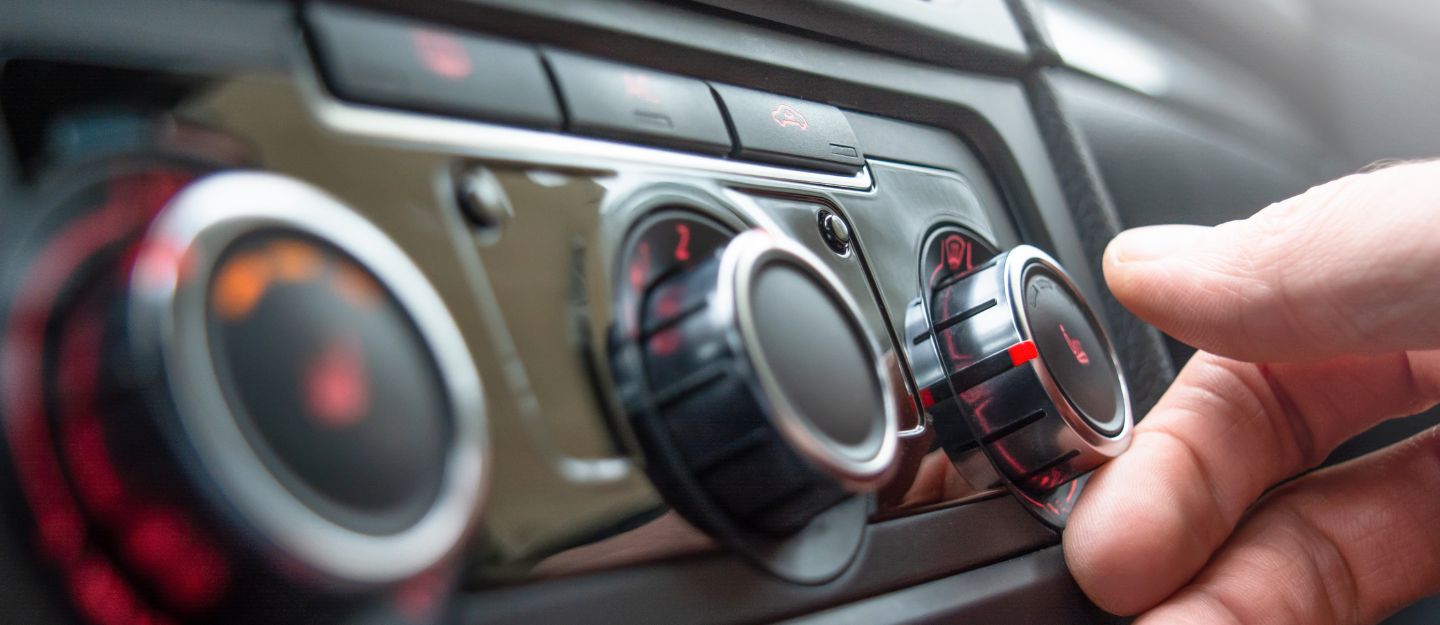
Car heaters have come a long way since their inception. Introduced as a basic necessity to combat low temperatures, they have transformed into advanced systems. Today, they are integral to modern vehicles, providing efficient, personalised comfort while adapting to the needs of electric and hybrid cars. We have penned the history of car heaters and how they have changed over the decades.
Car heaters through the decades – A Walkthrough
The history of car heaters is an interesting one. Even in parts of the world, where the warm weather stays most of the year, heaters are still an integral car component. Let’s see how they have evolved over time.
1893: The Invention of the Car Heater
The journey of car heaters began with Margaret A. Wilcox, an American mechanical engineer and inventor. On November 28, 1893, she patented the first car heater design, which used the engine’s heat to warm the vehicle’s interior.
Wilcox’s innovation was groundbreaking for its time. Early automobiles were often open-air vehicles, exposing drivers and passengers to harsh weather conditions. Her heater made driving more comfortable during cold months, transforming cars into practical, year-round transportation.
1900s: Early Automobiles Without Heating Systems
Despite Wilcox’s work, early 20th-century automobiles were still rudimentary and heating systems were not widely implemented. Passengers relied on heavy clothing, blankets or portable heat sources like hot bricks to stay warm. The focus during this period remained on improving vehicle reliability, with comfort taking a back seat.
1920s: The First Primitive Heating Systems
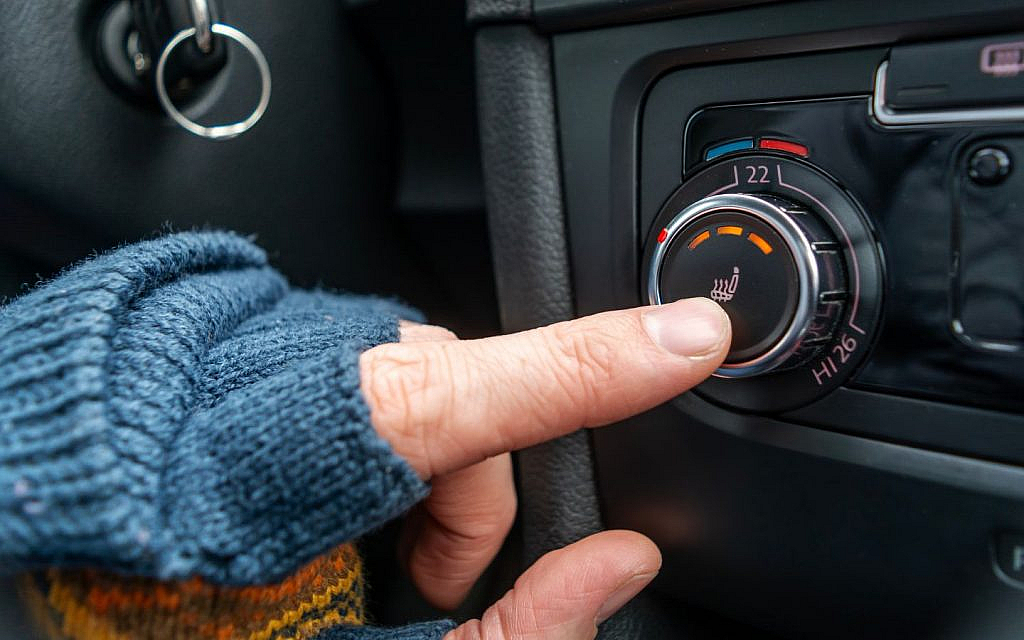
By the 1920s, the automotive industry began experimenting with basic heating solutions. Some systems routed engine exhaust into the cabin to provide warmth. While effective at raising cabin temperature, this method posed severe health risks due to carbon monoxide exposure. Though flawed, these early systems demonstrated the potential of using engine heat to warm the interior.

1930s: Engine Coolant Heaters Revolutionise Comfort
The 1930s saw a breakthrough with engine coolant-based heaters. This system used the engine’s cooling system to circulate hot coolant through a heat exchanger (heater core). A fan blew air over the heater core, distributing warm air into the cabin.
This design was safer and more efficient than earlier methods, quickly gaining popularity. By the end of the decade, many vehicles featured engine coolant heaters, marking the first widespread adoption of early car heating systems.
1940s-1950s: Standardisation and User-Friendly Features
In the post-World War II era, car heaters became standard in most vehicles. This period saw the addition of basic controls, allowing users to adjust heat levels manually. The inclusion of vents and fans improved airflow and helped distribute warm air more evenly throughout the cabin.
1960s-1970s: Enhanced Control and Early Climate Systems
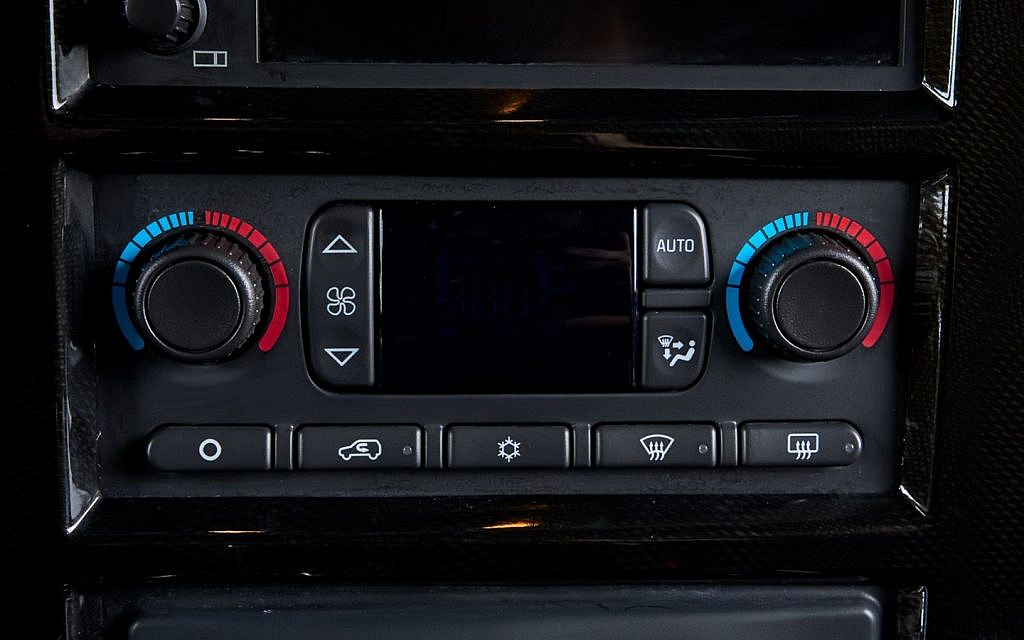
During the 1960s and 1970s, the evolution of car heaters incorporated advanced controls. Drivers could now regulate temperature and airflow with greater precision. Early versions of climate control systems also began to appear, laying the groundwork for modern HVAC systems.
Automakers such as Ford and Mercedes focused on improving efficiency and comfort. They added features such as rear-seat vents and adjustable fan speeds. These advancements ensured a more pleasant experience for all passengers.
1980s-1990s: The Rise of Climate Control Systems
The 1980s marked the advent of automatic climate control systems, allowing drivers to set specific cabin temperatures. These systems combined heating and cooling functions to maintain a consistent environment. By the 1990s, dual-zone climate control was introduced, enabling different temperature settings for the driver and front passenger.
Car heaters were now fully integrated into HVAC systems, offering enhanced convenience and comfort. Heated car seats also became popular, providing localised warmth in addition to cabin heating.
2000s: Modern HVAC Systems and Luxuries
In the 2000s, car heating technology continued to advance. Multi-zone climate control systems allowed for separate temperature settings in different areas of the vehicle, including the rear seats.
Luxury features like heated seats, steering wheels and even heated armrests became common, particularly in high-end vehicles. These features ensured optimal comfort for drivers and passengers, regardless of weather conditions.
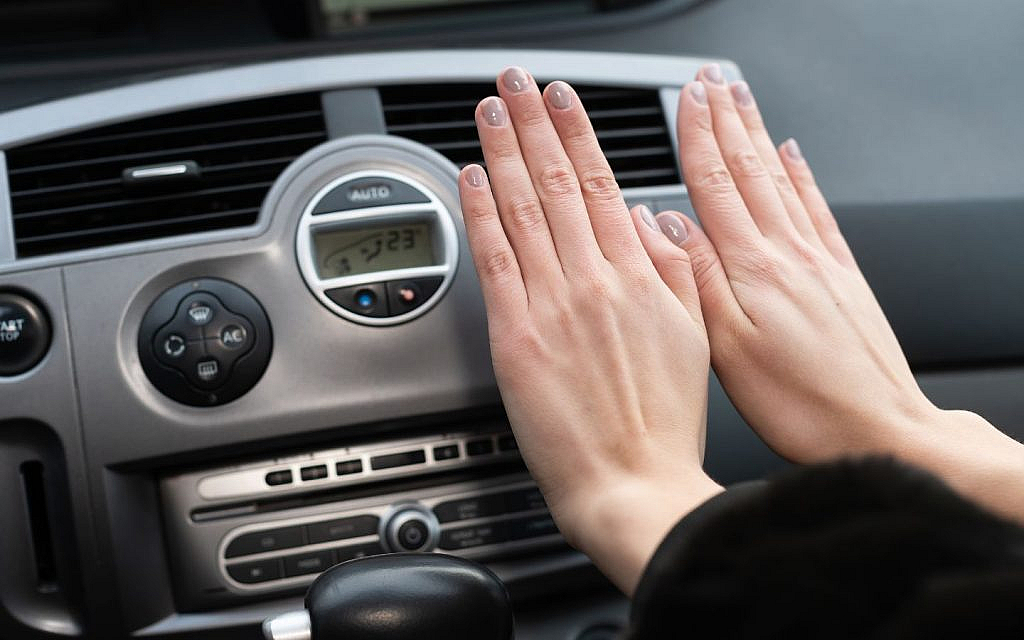
2010s: Innovations in Electric and Hybrid Vehicles
The rise of electric and hybrid vehicles in the 2010s brought new challenges for heating systems. Unlike internal combustion engines, electric motors generate minimal waste heat. To address this, manufacturers developed alternative solutions, such as resistive heaters and heat pumps.
Heat pumps became particularly popular due to their energy efficiency, helping conserve battery life while maintaining cabin warmth. This era also saw smart climate control systems, which used car sensors and AI to optimise cabin temperature automatically.
Present Day: Smart Climate Control and Sustainability
Today’s car heaters are more advanced, offering personalised comfort and improved energy efficiency. Modern vehicles feature smart climate control systems that can be controlled remotely via mobile apps. These systems automatically adjust temperature and airflow based on real-time data and user preferences.
With a growing emphasis on sustainability, automakers are developing energy-efficient heating solutions that reduce emissions. Electric or hybrid vehicles continue to drive innovation in automotive climate control.
FAQs
When were car heaters invented?
Car heaters were invented in 1893 by Margaret A. Wilcox, who designed a system that used engine heat to warm the car’s interior.
Why is my car heater blowing cold air?
A car heater blows cold air due to many reasons such as a faulty heater control valve or low coolant level.
Why is my car heater not heating properly?
A car heater may not work due to a malfunction in the thermostat, heater core or coolant deficiency.
Over the decades, car heaters have transformed from basic mechanical systems into integral components of modern vehicles. They offer a comfortable ride experience in the cooler months.
Besides, with the holiday season coming up, you can go through these new cars for sale in the UAE in case you’re planning a road trip. These listings offer a myriad of options, catering to various budgets.
For more information on car parts, their evolution and advancement, keep reading dubizzle’s autos blog.
Related Posts