The automotive world is filled with terms that often sound similar, which can easily confuse drivers. Whether you’re researching a new car, discussing features with a dealer, or simply trying to understand your vehicle better, having clarity on commonly confused car terms can be useful. Understanding these distinctions not only helps you make informed decisions but also enhances the overall driving and ownership experience.
A List of Confusing Car Terminologies
Here is a list of common automotive terms confused by drivers:
Liftgate vs tailgate
Usually, these car terms are confused when comparing SUVs and pickup trucks. A liftgate is the rear door found on SUVs, crossovers and hatchbacks. It swings upward to give easy access to the cargo area. Many modern liftgates are powered, allowing you to open and close them with the push of a button.
In contrast, a tailgate is common on pickup trucks. It folds downward, creating a flat surface for loading and unloading cargo. Tailgates are usually heavier and built for rugged use.
Wheel vs Rim
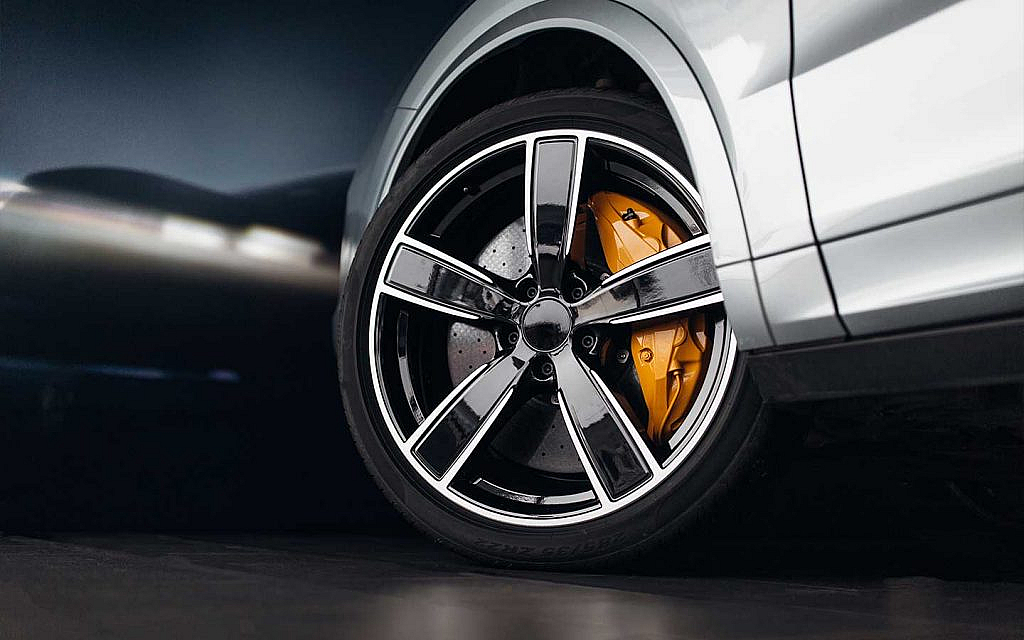
Though many people use wheels and rims as interchangeable terms, they actually refer to different components. The car wheel is the complete circular assembly attached to the axle, including the hub, spokes and rim. It is the structure that rotates and holds the tyre. The rim is only the outer edge of the wheel. It keeps the tyre secure and helps in proper bead seating.
AWD vs FWD vs 4WD
Drivetrain types determine how a vehicle distributes power.
All-Wheel Drive (AWD) sends power to all four wheels automatically. Sensors constantly adjust distribution to maximise traction. It’s ideal for daily driving, rain and light trails.

Front-Wheel Drive (FWD) sends power only to the front wheels. It offers strong fuel efficiency and predictable handling. Moreover, most sedans and compact cars use FWD.
Four-Wheel Drive (4WD) is designed for off-roading. It’s usually driver-selectable, sending power to all wheels for maximum traction on rugged terrain such as sand, mud, or mountains.
Sunroof vs Moonroof
Both features enhance ventilation and brighten the cabin, but they are not the same. Rather, they are one of the most confusing car terms.
A sunroof is a solid metal or opaque panel that opens, either manually or electronically, to allow fresh air in. On the flip side, a moonroof is a glass panel, often tinted, that can slide or tilt open. Even when closed, it allows natural light into the cabin and provides a clearer sky view.
Ventilated vs cooled seats
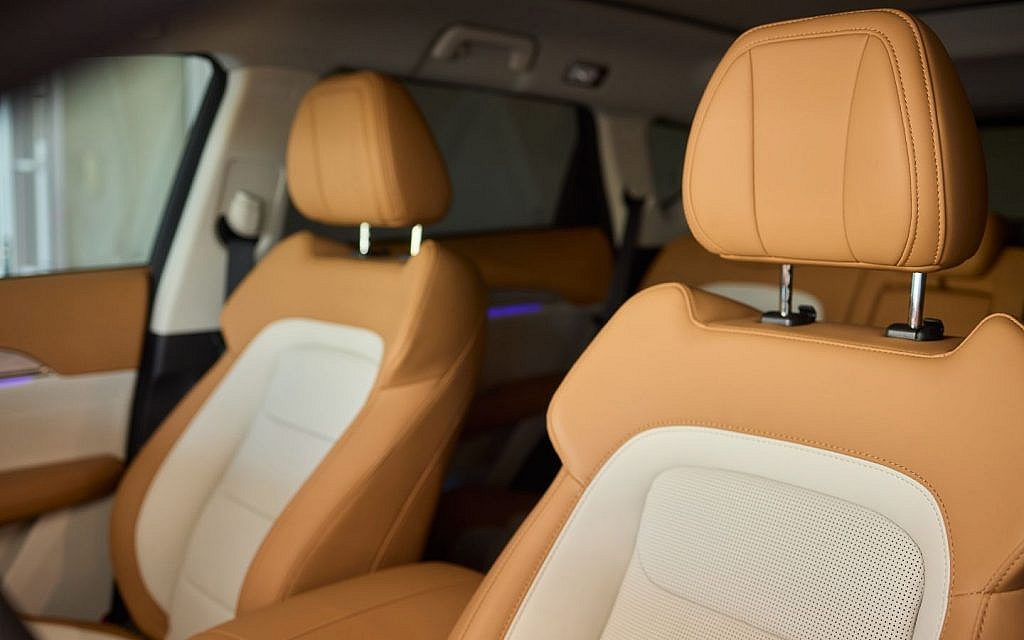
These comfort features are some common car terms people mix up. Ventilated seats use small fans to circulate air through perforated seat cushions. They reduce heat buildup and offer a cooling sensation, especially in warm climates.
Cooled seats go a step further by using active cooling technology, to air conditioning, to lower seat temperature. They are more advanced and often found in premium cars.
SAV vs SUV
An SAV (Sport Activity Vehicle) is a marketing term primarily used by BMW. SAVs focus on sporty handling, dynamic driving and premium comfort. An SUV (Sport Utility Vehicle) is the general industry label for versatile vehicles designed for passenger space, utility and mild off-road use. While SAVs technically fall under the SUV category, they emphasise sportiness over utility.
Exhaust vs muffler
The exhaust system includes the pipes, catalytic converter, resonator and muffler. It channels combustion gases away from the engine and treats harmful emissions. On the other hand, the muffler is specifically the component that reduces engine noise, using chambers and perforated tubes to quiet sound.
Supercar vs hypercar
Both terms represent extreme performance, but one takes things further. A supercar features high horsepower (typically 500 to 800+), track-worthy handling, lightweight construction and exotic styling. These are prized luxury performance cars.
A hypercar pushes beyond supercar limits. Hypercars often exceed 1,000 horsepower, use cutting-edge engineering (like hybrid-electric powertrains and carbon monocoques) and are produced in extremely limited numbers.
Brakelight vs Tailight
These important safety lights differ in function and brightness. Brake lights shine brightly when the driver presses the brake pedal, signalling that the vehicle is slowing down or stopping.
Meanwhile, tail lights are dimmer red lights that automatically turn on when headlights are activated. They help make the vehicle visible to drivers behind.
Coupe vs Convertible
These car body styles are one of the most confused car terms, especially because brands sometimes blur definitions. A coupe is generally a two-door car with a fixed roof, designed for sporty looks and performance-focused driving. As for a convertible, it features a retractable or removable roof, either soft-top fabric or hard-top panels, allowing open-air driving.
Fuel Economy vs Fuel Efficiency
Fuel economy shows how far a vehicle can travel on a specific amount of fuel, expressed as km/l.Fuel efficiency measures how effectively the engine converts fuel into usable energy. An efficient engine wastes less fuel through heat and friction. Both metrics impact running costs but highlight different performance factors.
Torque vs Horsepower
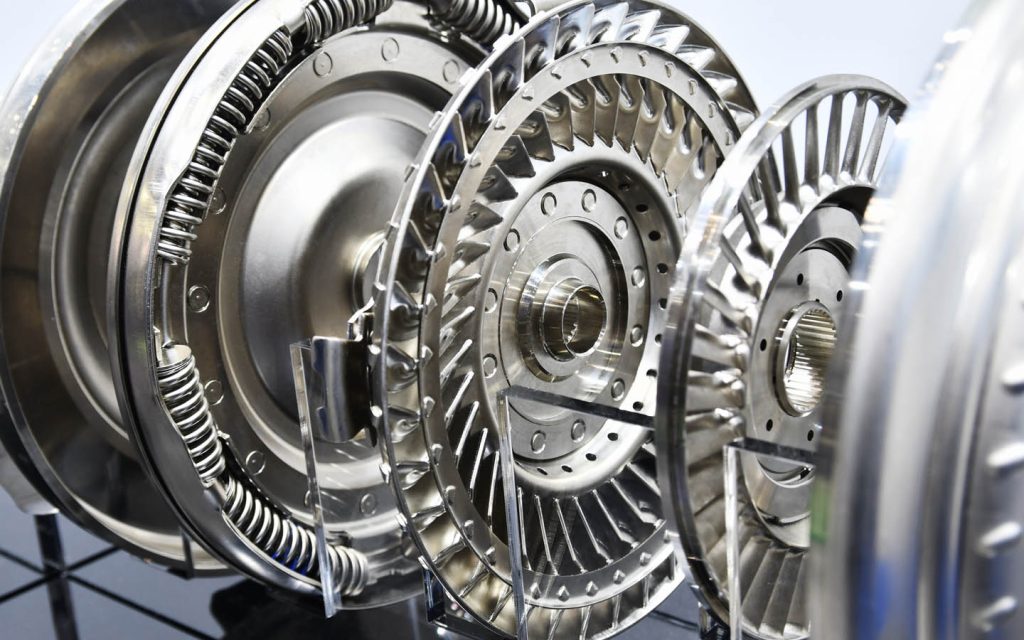
Torque is the rotational force that helps a vehicle start moving and accelerate, especially at low speeds or when carrying heavy loads. Horsepower, on the other hand, measures the engine’s overall power and determines how fast a vehicle can go at higher speeds. In simple terms, torque gets your car moving, while horsepower keeps it moving faster. Both work together to shape a car’s performance.
FAQs
What is the difference between horsepower and torque?
The difference between horsepower and torque is that the former measures a vehicle’s overall power. Meanwhile, the latter reflects the engine’s rotational force that drives acceleration and pulling power.
How do AWD and 4WD differ?
AWD works automatically for road traction, while 4WD is driver-controlled for off-road use.
What does a slush box mean in car slang?
A ‘slush box’ is car slang for a traditional automatic transmission.
Understanding these commonly confused car terms helps buyers, enthusiasts and everyday drivers communicate clearly and make informed decisions. Whether you’re comparing models at a dealership or buying a new car in the UAE, clear knowledge of such terms helps avoid misunderstandings or doubts.
To learn more about the UAE’s automotive industry, keep reading dubizzle’s cars blog.
Related Posts