- Check the Vehicle History
- Invest in Warranty
- Invest in Insurance
- Review the Mileage
- Conduct an Inspection
- Secure Financing
- Take a Test Drive
- FAQs
Buying a car is a major decision, whether it’s new or second-hand. From browsing listings on dubizzle to finally inspecting the car in person, there are many factors to consider to make sure you make the right decision. In this piece, we deep dive into the things to check when buying a second-hand car so that you have a smooth and hassle-free experience.
Check the Vehicle History

If you’re buying a second-hand car, the vehicle history is one of the most important aspects to review. This is done using the vehicle’s VIN or chassis number to verify the car’s history, mileage, outstanding fines and ownership records. Input this number on the Emirates Vehicle Gate, UAE Ministry of Interior or RTA Dubai’s website to get a comprehensive report. For Abu Dhabi-based vehicles, use the Abu Dhabi police website or TAMM portal.
These reports give you access to the vehicle’s accident history so that you can make sure it has not been involved in any major crashes. Two additional things to review are the odometer reading and ownership history. While the former ensures that the mileage is not tampered with, the latter is to see how many previous owners the car has had. Vehicle history reports usually cost between AED 100 and AED 120; however, the wealth of information they provide makes this one of the most important things to check before buying a used car.
Invest in Warranty
Used car warranties and service packages in the UAE are available from dealerships or third-party providers. These warranties cover mechanical and electrical repairs and commonly last 6 months to 3 years. A car warranty can help reduce unexpected repair expenses and provide additional peace of mind after purchase. Some warranty packages can also be extended up to 60,000 kilometres.
Invest in Insurance

Insurance is a mandatory requirement for car ownership and the process of insuring a used car is slightly different from that of a new vehicle. You can compare quotes through dubizzle’s car insurance service to find suitable coverage options. Users can choose between comprehensive insurance, which offers wider coverage at a higher cost and third-party insurance, which is the minimum legal requirement and only covers damages or injuries caused to others. Generally, insurance premiums for second-hand cars are lower than those for new vehicles.
Review the Vehicle’s Mileage
You can check a car’s mileage through its odometer. This is an essential check for second-hand cars. Vehicles driven fewer kilometres are generally considered more reliable and can also cost more. You can also look at physical signs of wear and tear to assess how much the car has been used, such as scratches near the odometer or excessive wear on the steering wheel, brakes and driver’s seat, which may suggest higher mileage than displayed.
On average, cars typically cover around 20,000 to 25,000 kilometres annually. This can serve as a useful benchmark when assessing whether the mileage matches the vehicle’s age. Keep in mind that unusually low mileage can indicate prolonged inactivity or irregular maintenance. RTA Tasjeel has multiple registered centres for verifying car mileage in the UAE.

Conduct a Thorough Inspection
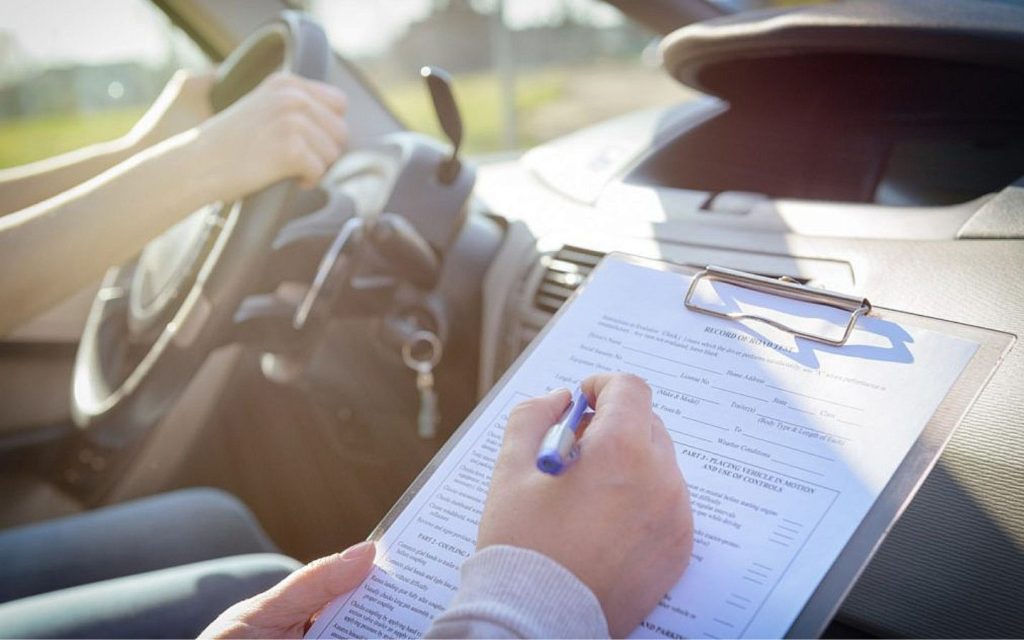
Always get a trusted mechanic or inspection centre to perform a pre-purchase inspection of the engine, transmission, suspension and brakes. You can visit RTA Tasjeel Centres for a comprehensive test for buyers. Inspection costs vary depending on how detailed the test is. Inspections usually take between 30 and 60 minutes.
Besides this, you can also use the dubizzle Car Inspection service for added convenience and peace of mind when buying a used car.
Secure Financing
There are many used car financing options for expats in the UAE. Banks across the UAE offer competitive rates on used car loans. Interest rates for used car loans are usually around 3% per year and most lenders require a minimum salary between AED 3,000 and AED 5,000. The minimum down payment for a used car loan is usually 20% of the total value and financing options usually cover up to 80% of the car’s total value. The maximum loan tenure varies between 48 and 60 months for different banks.
Take a Test Drive
Before finalising the purchase, make sure to inspect the car in person and take it for a test drive. This will help you evaluate whether the vehicle drives smoothly and also allows you to check the condition of the interior and exterior.
Pay attention to unusual engine noises, brake response, steering performance and suspension comfort during the drive.
Check the Interior
Make sure the car’s interior is in perfect condition. Smell the interior for smoking or flood damage. Both are notable stenches. Make sure the seats are in proper condition and the interior electronics are working properly. Press some buttons to ensure the air conditioning, music system, Bluetooth and other electronic components in the car are working.
Check Body for Damages
Another important thing to do when buying a used car is to check for car body damage. Check the vehicle’s paint. If the paint on the door is different in colour from the rest, it means it has been replaced. Moreover, don’t settle for a car that has major scratches and rusty spots on its body.
Also, check the condition of the tyres; a vehicle with uneven tyre tread and wear often leads to poor wheel alignment. You must also check the body panel alignment. Make sure the doors, hood and trunk are all properly aligned.
For more information on things to consider when buying a used car, keep an eye on dubizzle’s autos blog.
Frequently Asked Questions
What are the mandatory documents required to buy a second-hand car in the UAE?
The mandatory documents required to buy a second-hand car in the UAE are your Emirates ID, passport, a valid UAE driving licence and car insurance. Additionally, you will need supporting vehicle documents, including its Mulkiya and Inspection Certificate.
How can I check the accident history of a used car using the VIN or chassis number?
Government portals provide official records of vehicle accidents, damage severity and repair history. You can visit the Ministry of Interior, Emirates Vehicle Gate or RTA Dubai website to access these reports.
Is it mandatory to have a UAE driving licence before buying a car?
No, you do not need to have a valid UAE driving license to buy a car. To register a car without a driving licence, you’ll need your Emirates ID and a valid Traffic File Code. If you are learning to drive at a driving school in Dubai, a traffic file is usually opened automatically in your name. However, opening a new traffic file separately costs around AED 200.
Although you can purchase a car without a licence, a valid UAE driving licence is required to obtain car insurance and legally drive in the UAE.
Can I get a bank loan for a second-hand car that is more than 10 years old?
Yes, some UAE banks offer car loans for vehicles that are 10 to 12 years old. However, these loans usually come with shorter repayment terms and higher down payment requirements.
How do I ensure there are no outstanding Salik or traffic fines on the vehicle?
You can check for outstanding Salik or traffic fines using the Dubai Police or RTA Dubai App. Enter the vehicle’s plate number to view any existing fines.
For Salik-related violations, visit the official Salik website and log in to your account using your account number and vehicle registration number.
Related Posts