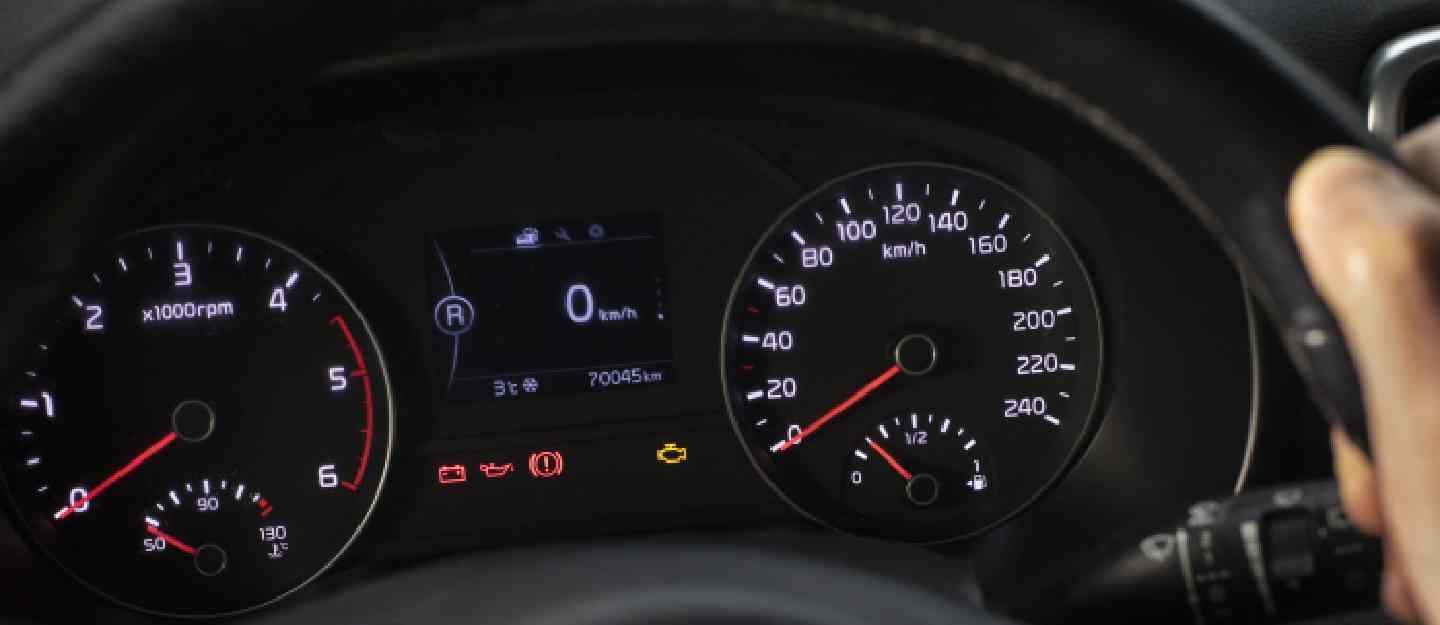
An illuminated dashboard warning immediately after filling up with fuel can be unsettling. When the check engine light comes on after refuelling, the cause is often linked to the fuel or emissions system rather than a serious engine defect. Modern vehicles rely on sealed fuel systems designed to control vapour emissions with precision. Even minor pressure irregularities during or after refuelling can trigger a fault code. Identifying the symptoms, causes and appropriate fixes helps prevent unnecessary expense and concern.
Check Engine Light Comes On After Refuelling
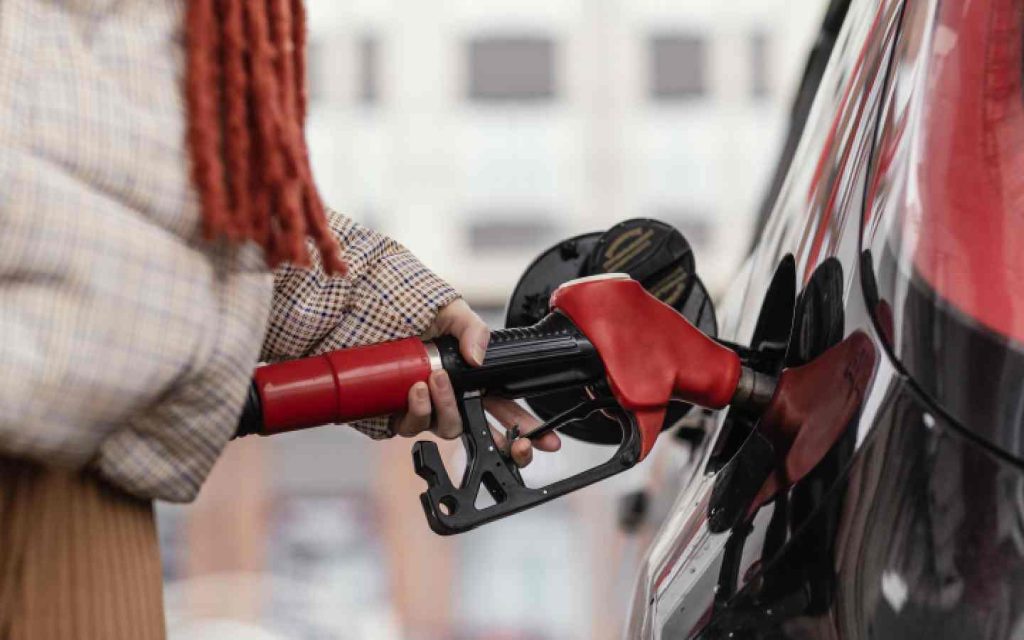
As modern vehicles continuously perform self-diagnostic checks through the onboard diagnostics system, faults are often detected shortly after changes in fuel system pressure. Refuelling alters the vapour balance inside the tank, prompting the system to run integrity tests. If irregular readings are recorded, a fault code is stored even if the issue is intermittent.
At times, resetting the check engine light can fix the issue if there is a glitch in the system. However, a visit to the workshop becomes essential if there are underlying faults. Understanding the symptoms, causes and fixes of why the check engine light comes on after filling petrol can help drivers avoid further damage.
Symptoms
When the engine warning light comes on after refuelling, several signs may be observed:

- A steady amber engine management light appeared shortly after leaving the petrol station
- A faint smell of fuel near the rear of the vehicle
- Slight hesitation during acceleration in rare cases
- Occasional difficulty turning the engine on or car cranking and failing to start
- No noticeable change in overall driving performance in most situations
Causes
Several issues may explain why the check engine light comes on after refuelling:
- Overfilling the fuel tank: Continuing to pump fuel after the nozzle clicks off can force liquid fuel into the charcoal canister, disrupting the evaporative emissions system.
- Faulty EVAP purge valve: A malfunctioning purge valve may fail when pressure changes occur during refuelling.
- Damaged vent valve or pressure sensor: These components monitor and regulate fuel vapour flow. If defective, they can activate the warning light.
- Cracked hoses or deteriorated seals: Leaks within the vapour system can be detected during post-refuelling pressure checks.
- Loose or faulty fuel cap: An improperly tightened or bad fuel cap can allow vapours to escape, triggering the EVAP system warning.
Fixes
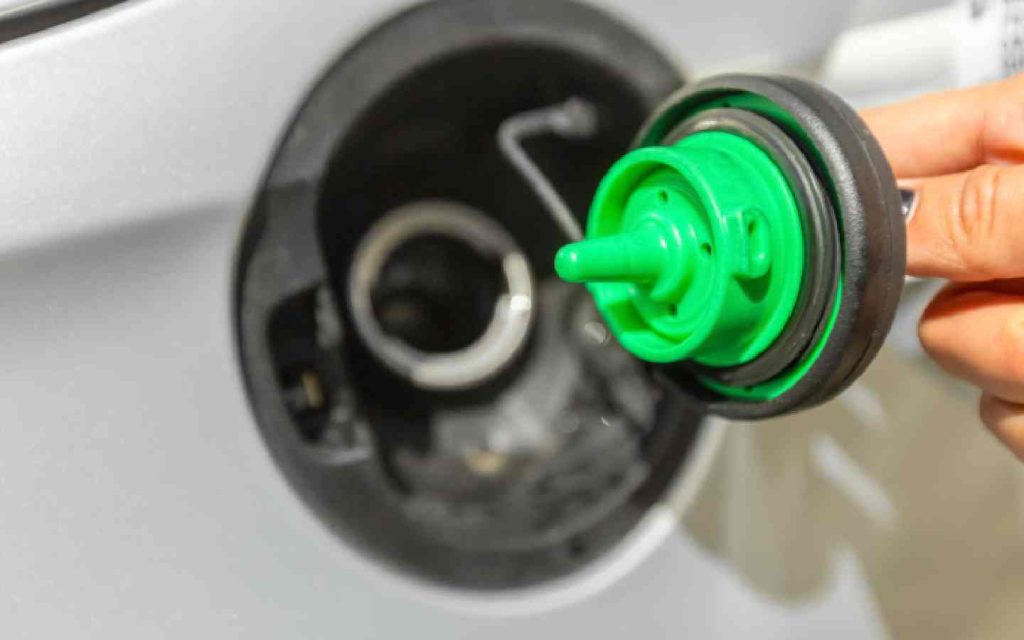
If the check engine light is on after filling petrol, there are several ways to tackle the issue:
- Check and secure the fuel cap: Remove and refit until a clear click is heard. Replace if worn or cracked.
- Avoid filling the tank fully: It is risky to top off the fuel tank in a vehicle. Stop refuelling when the nozzle clicks off to prevent charcoal canister damage.
- Allow drive cycles to reset the system: In minor cases, the light may turn off automatically after several journeys.
- Run a diagnostic scan: A professional scan identifies specific EVAP-related fault codes.
- Replace defective components: Purge valves, vent solenoids and oil pressure sensors can be replaced if confirmed faulty.
FAQs
Why does my check engine light turn on right after refuelling?
Most commonly, the check engine light comes on after refuelling because the gas cap is loose or not sealing properly, triggering an EVAP system leak code.
Can a loose petrol cap cause the check engine light to appear?
Yes, a loose petrol cap can trigger the check engine light by causing a small leak in the EVAP emissions system.
What are the causes of a triggered check engine light after refuelling?
A check engine light after refuelling is usually caused by a loose or faulty gas cap, a failing purge valve or an EVAP system leak.
There you have it, a detailed analysis of a triggered engine light after petrol refill. The cause is usually linked to fuel system pressure or evaporative emissions system components rather than a serious mechanical failure.
Prompt attention prevents unnecessary wear on emissions components and avoids failed inspections. A systematic approach to identifying symptoms, confirming causes and applying the correct fixes ensures the vehicle remains efficient, compliant and reliable.
Besides the aforementioned symptoms, there are several other reasons why the check engine light comes on. Ensure proper maintenance and have the vehicle inspected by a professional if the issue persists.
Modern vehicles come equipped with a range of features designed to detect problems early before they become major issues. Discerning buyers can find many used and new cars for sale in the UAE with modern features.
Stay tuned to dubizzle’s auto blog to learn about common car issues and ways to fix them.
Related Posts