An illuminated check engine light is an indicator that your vehicle is facing some electrical or mechanical problems internally. There are many reasons for the check engine light turning on, which can range from minor issues like a loose fuel cap to major ones like a faulty oxygen sensor or spark plug.
Driving with the check engine light is not recommended since you never know the complexity of the issue behind it. Rather you should seek the help of an expert technician to resolve the issue.
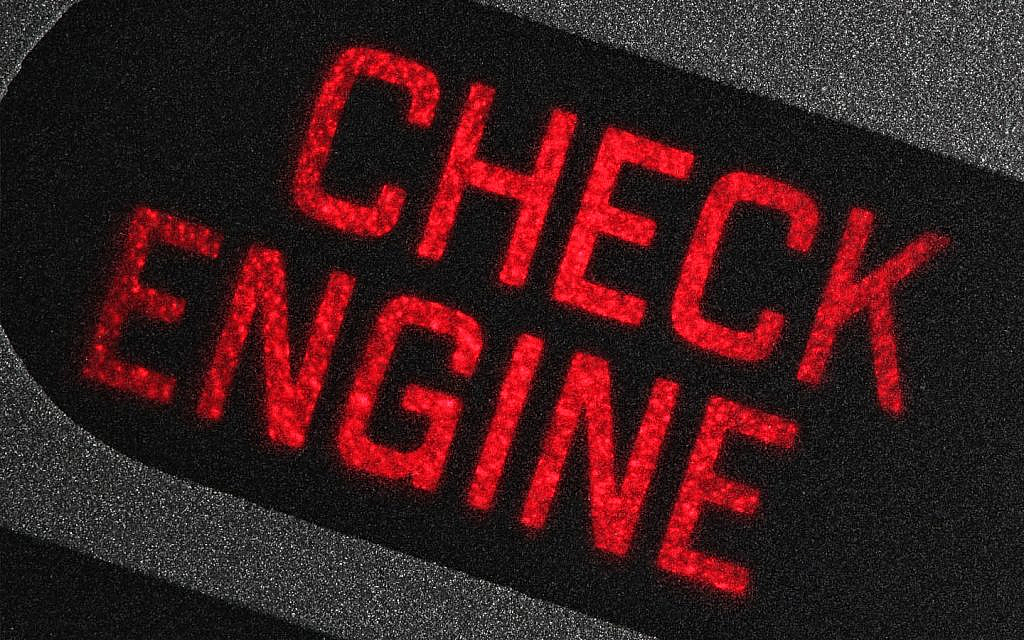
What can cause a check engine light to come on?
The 6 most common causes of the check engine light coming on are detailed below.
1. Damaged Oxygen Sensor
The oxygen sensor monitors the amount of oxygen in the internal combustion chamber. It then helps in regulating the air to fuel ratio. A damaged oxygen sensor can not maintain the desired air to fuel ratio.
The symptoms of a faulty oxygen sensor include utilization of more fuel and the production of more emissions. A faulty oxygen sensor is one of the common factors of flashing of check engine light and should be replaced at the earliest.

2. Faulty Fuel or Gas Cap
One of the common causes of the check engine light turning on is a faulty gas or fuel cap. If the check engine light goes on, you should first check the gas or fuel cap. A faulty, cracked, or loose gas or fuel cap can cause a vapour leak. In other cases, a more serious leak can also occur in the upper portion of the fuel system.
Either replace the cap or tighten it and then continue driving. After a while, the check engine light should go off. In case it doesn’t, it is high time that you get your vehicle checked with a professional technician.
3. Failed Catalytic Converter

A catalytic converter makes part of the car’s exhaust system. It is responsible for converting toxic gases into less harmful byproducts through catalysts. In case the catalytic converter of your car fails, the check engine light will go on.
Symptoms of a faulty catalytic converter include impacted car performance, more fuel consumption, impacted car performance, and emission of harmful gases in the form of blackened smoke.
4. Damaged Mass Air Flow (MAF) Sensor

MAF or Mass Air Flow sensor makes part of the fuel injection system. It helps the car’s computer to determine the right amount of fuel to be provided in the combustion chamber. A faulty MAF sensor will trigger the check engine light.
Symptoms of a bad MAF sensor include rough idling, decreased car performance and fuel efficiency. To get your faulty mass air flow sensor fixed, you should consult a professional technician.
5. Faulty Spark Plugs
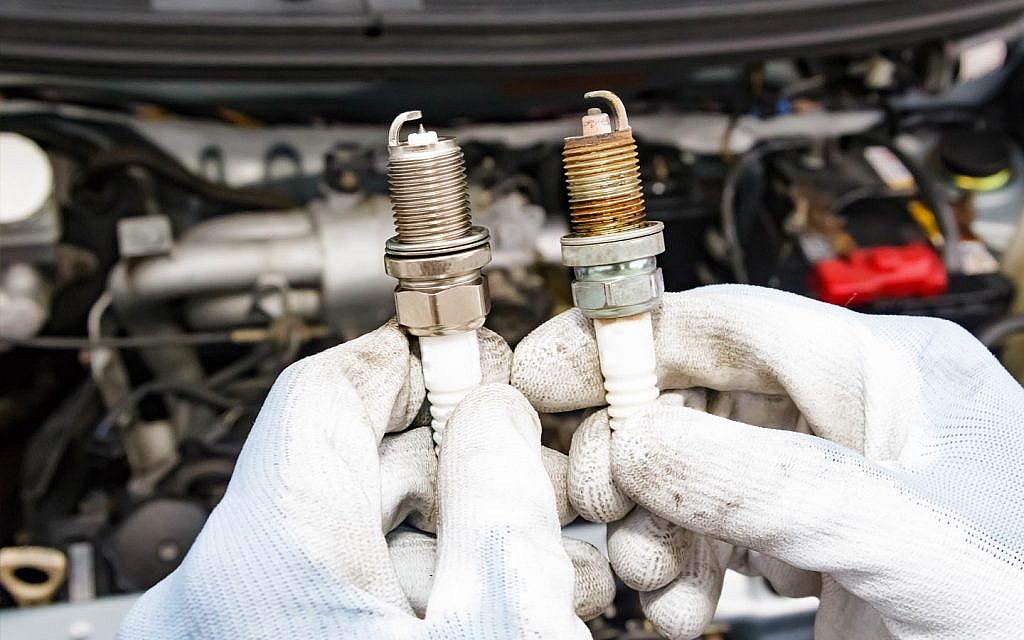
One of the 6 possible reasons for the check engine light turning on is the faulty spark plugs. If you did not replace the spark plugs according to your car maintenance schedule, then you are likely to experience an illuminated check engine light on your dashboard later on. The common symptoms of bad spark plugs include poor acceleration in a car, car misfiring, and noticeable performance loss.
However, if you have replaced the bad spark plugs but the check engine light continues to illuminate then you should get the car inspected again for other damage. If no other cause is identified, then simply reset the check engine using an OBD car scanner.
6. Damaged Ignition Coil
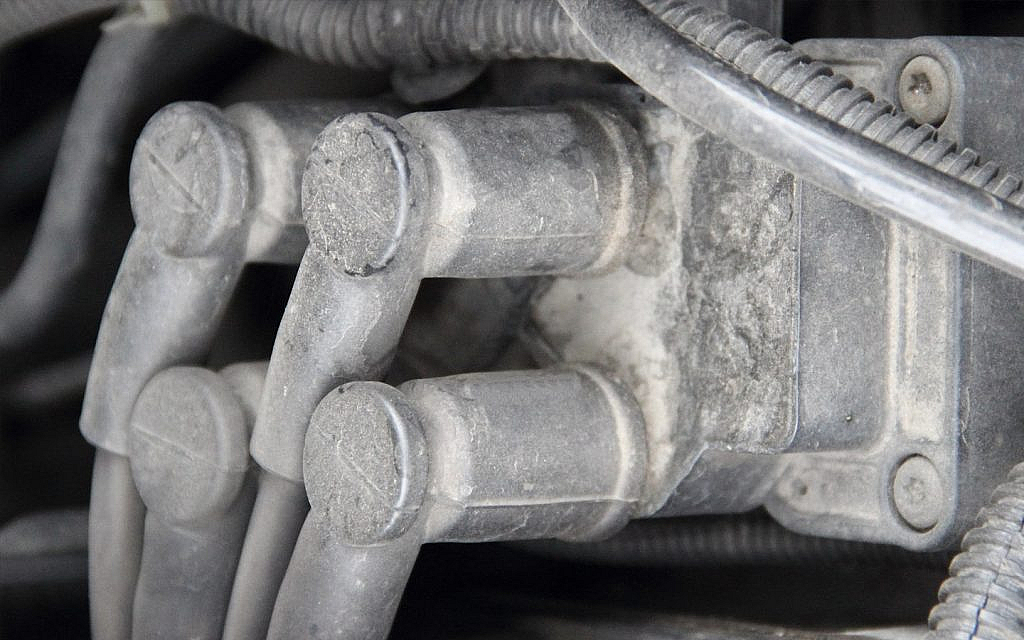
A damaged ignition coil is among the many possible reasons for the check engine light turning on. The ignition coil is a part of your car’s ignition system. It converts a car’s voltage to the optimal volts needed for the spark plugs to ignite the air-fuel mixture. An ignition coil can get damaged by a voltage overload. While damage to the insulation and housing of the ignition coil can break the winding of the coil.
Engine backfiring and misfiring, car stalling, poor fuel economy, oil leaks, and rough engine idle are the common symptoms of a damaged ignition coil. To get your ignition coil fixed, you should consult an automotive professional.
FAQs
Is it safe to drive with the check engine light on?
The different types of car warning lights are there for a reason, to warn you about car-related concerns. Driving with a check engine light on is not safe as you can only worsen the present damage.
Can a check engine light come on for no reason?
A check engine light whenever illuminated shows the car malfunctioning. It can even get illuminated due to minor problems such as a loose gas cap that can be resolved by tightening it.
Will a blown head gasket cause the check engine light to come on?
Yes, the check engine light turns on upon detection of a misfire due to a leaking head gasket. A leaking head gasket is a common symptom of a blown head gasket causing the fluid from oil and coolant passages to mix.
This concludes our guide to the 6 possible reasons for the check engine light turning on. Now you know the drill: once the check engine light illuminates on your dashboard, you should immediately stop your car alongside the curb and seek professional help. A blinking check engine light indicates serious car issues, warning of potential danger. Whereas, a continuous check engine light is usually due to any of the above reasons.
However, if you often face such issues with your car then you should consider switching to any other reliable car with top-notch features to ease your life. You can check out these popular used cars for sale in the UAE and choose the one that suits your needs.
Stay tuned to the UAE’s top auto blogs for more information on cars and car parts.
Related Posts