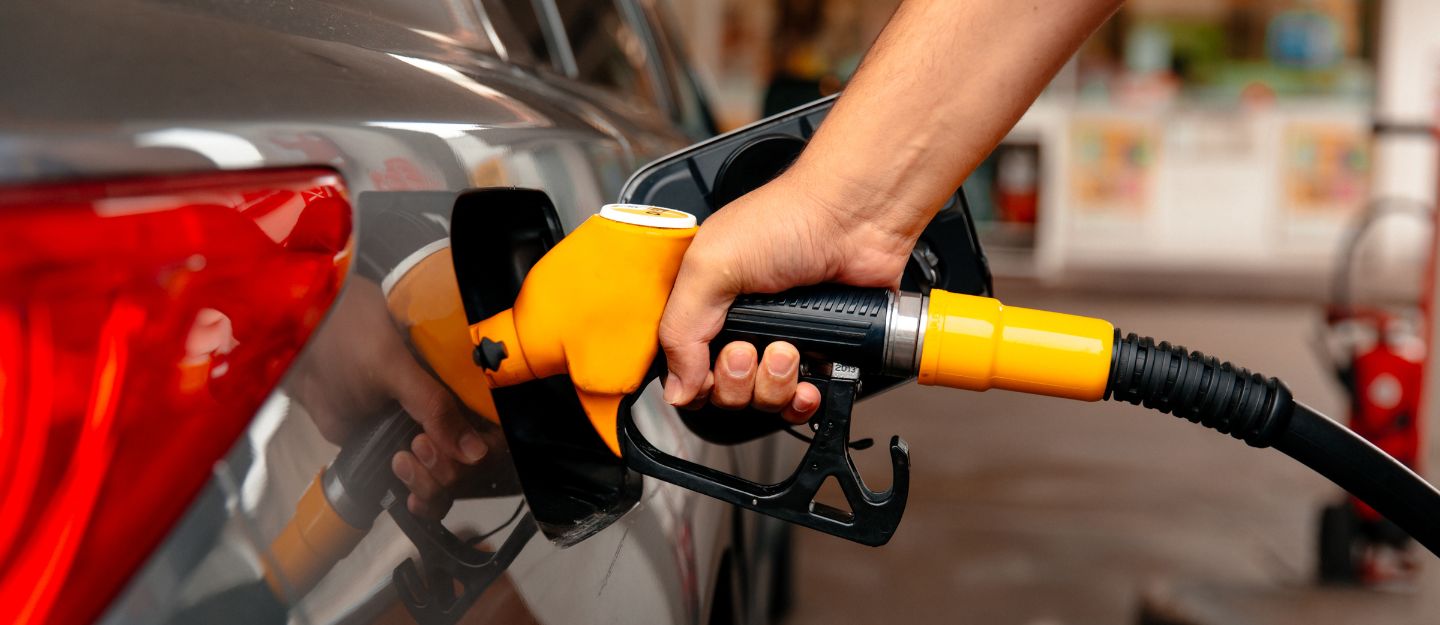
Keeping your fuel tank at a healthy level is more important than many drivers realise. Running consistently low on fuel can damage your car’s fuel pump and lead to expensive repairs over time. But while regular fill-ups are essential, topping off your petrol tank after the pump clicks off is a mistake you’ll want to avoid. It can be tempting to top off the tank to avoid another trip to the station. However, this common habit can actually cause more harm than good. Let’s look at the risks of topping off your petrol tank and why it’s safer to stop when the pump shuts off automatically.
Dangers of Overfilling Your Petrol Tank
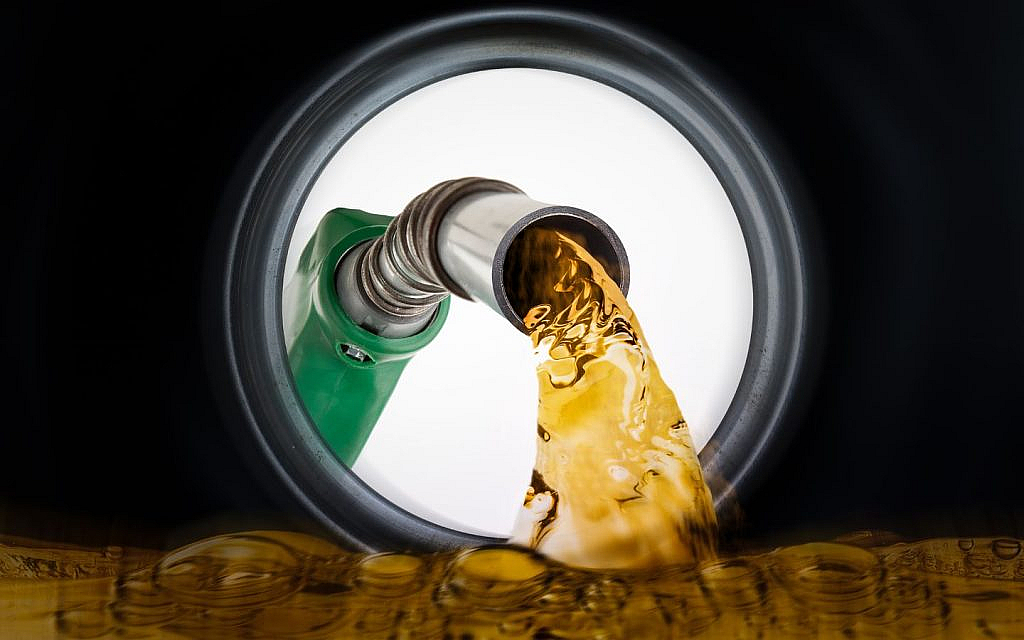
Overfilling a car’s fuel tank might seem like a harmless habit, but it can expose your vehicle to multiple risks. This seemingly minor action can have long-term effects that most drivers overlook. Here are the key risks of topping off your petrol tank.
Environmental Impact
Topping off your petrol tank releases petrol vapours, which are harmful pollutants that play a vital role in the formation of ground-level ozone and smog. These vapours pose risks to both human health and the environment on a global scale. Additionally, excess fuel from overfilling a petrol tank can spill onto the ground. This leads to soil and groundwater contamination that threatens wildlife and natural ecosystems.
Most fuel pumps are equipped with vapour recovery systems designed to trap vapours during refuelling. However, overfilling can interfere with these systems, allowing vapours to escape into the atmosphere and sometimes causing liquid fuel to be drawn back into the pump. This results in wasted fuel and potential damage to the station’s equipment.

Risk to Your Vehicle
Modern vehicles come with an evaporative emissions control system (EVAP) that captures harmful petrol vapours to keep them from escaping into the air. Overfilling your tank can flood this system, especially the charcoal canister responsible for trapping vapours. This flooding can lead to malfunctions or early failure of the canister and other fuel systems. This may cause expensive repairs and trigger the check engine light.
Overfilling can also cause practical refuelling issues. You might notice your fuel tank not filling up as expected, or the pump shutting off too soon. This could be due to vapour system blockages caused by topping off
Safety Concerns
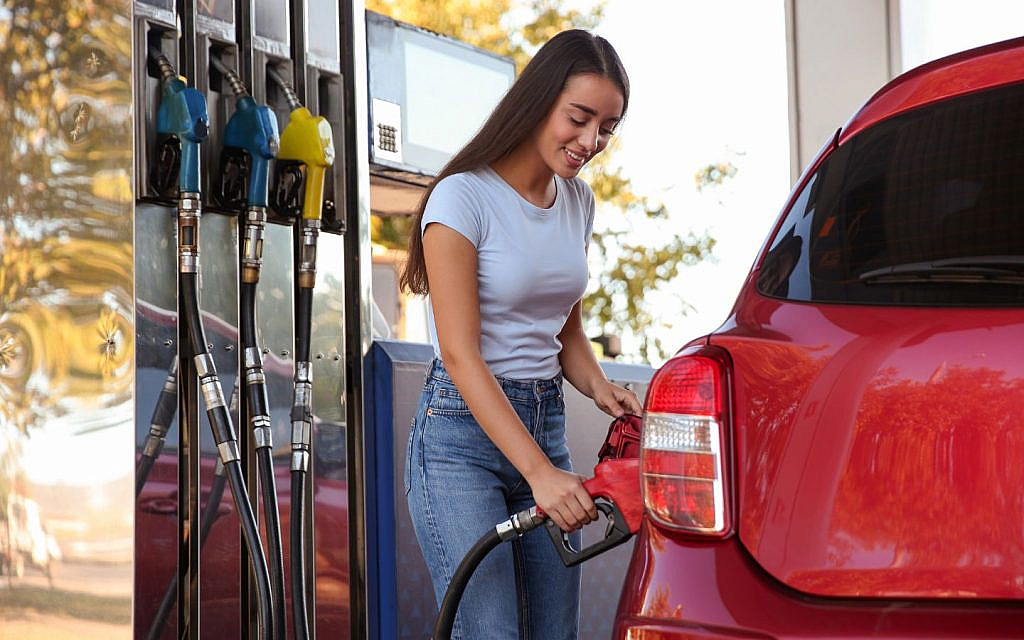
Spilt petrol from topping off is highly flammable and can create fire hazards, especially near car ignition sources like hot engine parts or static electricity. This is particularly dangerous when you refuel your car in hot weather, as high temperatures increase vapour pressure, raising the risk of fuel expansion and spills. Always be cautious and avoid overfilling, especially during the summer months in the UAE.
Financial Waste
One of the risks of topping off your fuel tank is that it can be financially wasteful. The extra fuel you pay for may never make it into your tank. This is because it can spill or be sucked back into the station’s underground storage. This means that you are paying for fuel that you don’t actually use, on top of the vehicle damage and environmental harm.
FAQs
Is it bad to top off your fuel tank?
Yes, it is generally bad practice to top off your fuel tank after the pump clicks off, as it can damage the car’s vapour recovery system.
Is there a fire risk from overfilling your petrol tank?
Yes, there is a fire risk associated with overfilling a petrol tank. Overfilling can lead to spills, which are flammable and can ignite if a spark or flame is present.
Can topping off damage your car’s fuel system?
Yes, topping off your petrol tank can harm your car’s fuel system, particularly the EVAP system, which features a charcoal canister designed to trap fuel vapours.
Does overfilling your petrol tank affect driving safety?
Yes, it is generally safe to drive after accidentally overfilling your petrol tank, but doing so regularly can damage your vehicle over time.
While topping off may feel like a way to maximise your fuel purchase, the long-term consequences far outweigh the benefits. To protect your vehicle, yourself and the environment, it is best to stop refuelling your vehicle when the fuel nozzle automatically stops. Keeping this car refuelling tip in mind not only improves safety but also ensures your vehicle’s fuel system remains in good condition. For added convenience, many fuel delivery companies in the UAE now offer doorstep refuelling, making overfilling unnecessary.
If you’re looking to switch to a more fuel-efficient vehicle, explore these used cars for sale in the UAE. For brand new rides, go through these new cars for sale in the UAE.
Keep reading the dubizzle auto blog to learn more about smart fueling habits in the UAE.
Cover Image Credits: Shutterstock Image Contributor – RecCameraStock
Related Posts