
- Part of Car Fuel Tank
- Types Of Car Fuel Tank
- Problem Of Car Fuel Tank
- Maintenance Of Car Fuel Tank
- FAQs
The fuel tank in your car is a critical component, designed to store the fuel that powers your engine. While it may seem simple, the fuel tank is carefully engineered to handle the stored fuel safely and efficiently. It prevents leaks and helps in reducing harmful fuel vapours that can escape into the air.
Knowing how your fuel tank works can help you take better care of your car and improve your fuel usage. So, here’s more information about a car fuel tank.
Parts of a Car Fuel Tank
A car fuel tank has several key parts that each play a specific role in storing and delivering fuel to the engine. Here are all those fuel tank parts.
Fuel Filler Neck
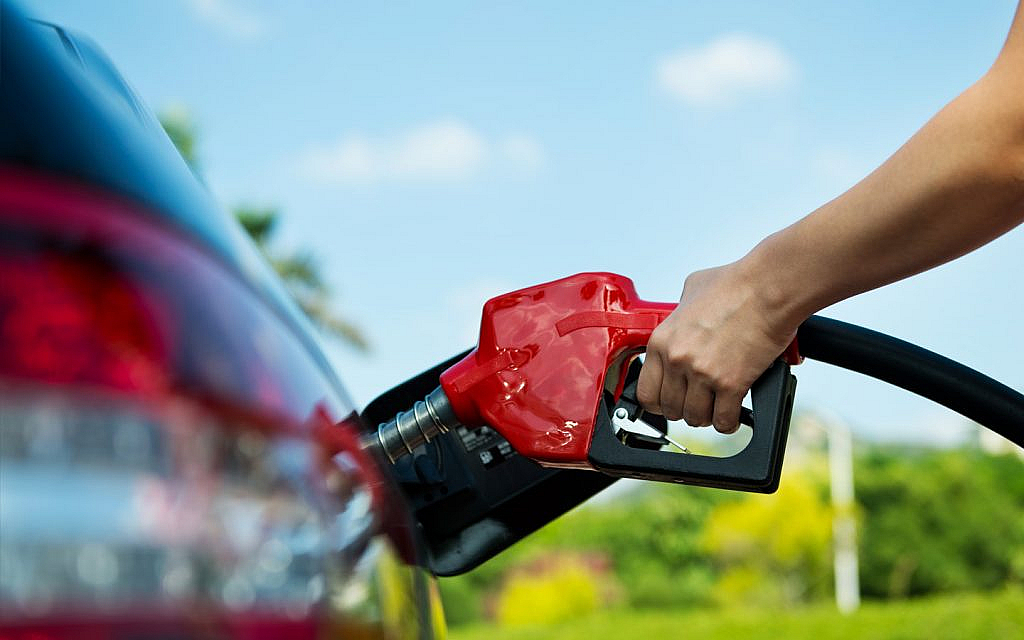
The fuel filler neck is where you insert the fuel pump nozzle when refuelling your car. It safely carries the fuel into the tank, ensuring no fuel spills. The design prevents contamination and helps maintain the proper pressure for efficient fuel delivery.
Fuel Cap
The fuel cap seals the car fuel tank. It prevents fuel from leaking out and stops dirt and other contaminants from entering the tank. A tight seal is crucial to maintain the safety and efficiency of the fuel system.
Baffles
Baffles are internal panels within the car fuel tank. They are designed to prevent fuel sloshing around when the car moves. This helps to keep the car stable, especially when turning corners or braking.
Fuel Pump
The fuel pump moves fuel from the tank to the engine. Some cars have the fuel pump inside the tank, while others have it outside. The pump ensures that the engine always has enough supply of fuel.
Fuel Lines
Fuel lines are pipes that carry fuel from the tank to the engine. They are designed to withstand pressure and deliver fuel efficiently to the engine.
Fuel Gauge
The fuel gauge measures the fuel level in your tank and displays it on the dashboard. Causes of fuel gauge malfunction include a faulty fuel sender unit, a damaged gauge, electrical connection issues or problems with the fuel filler neck. Regular maintenance can help prevent these issues and ensure accurate readings.

Vent Pipes
Vent pipes allow air to escape from the tank as it fills with fuel. This prevents pressure build-up inside the tank. Furthermore, there are ways to release fuel pressure without starting the car.
Drain Plug
Some automotive fuel tanks have a drain plug at the bottom. This plug allows the tank to be drained for cleaning or repairs.
Types of Fuel Tanks
Fuel tanks come in different types depending on the car’s design and the type of fuel it uses.
Metal Fuel Tanks
Older cars often have metal car fuel tanks made from steel or aluminium. These tanks are strong and durable, but they can rust over time. They can rust even more quickly in wet and humid environments.
Plastic Fuel Tanks
Many modern cars use plastic fuel tanks made from high-density polyethylene. These tanks are lightweight and do not rust. They can also be moulded into complex shapes.
Bladder Fuel Tanks
Bladder car fuel tanks are flexible and made from rubber or other elastic materials. These tanks are often used in high-performance or racing cars because they are lightweight and can withstand impacts without leaking.
Fuel Cells
Fuel cells are a more advanced fuel tank for racing cars and some modern vehicles. They have a complex design and often include features like foam filling to prevent fuel from sloshing around.
How Does a Fuel Tank Work?
When you start your car, the fuel pump draws fuel from the tank and pushes it through the fuel lines to the engine. The engine then burns the fuel to create power, a process known as combustion.
The car fuel tank design ensures that fuel is delivered smoothly to the engine. Inside the tank, baffles help control the movement of fuel. Air must enter the tank as the engine uses fuel to replace the space left behind.
Vent pipes allow this air to enter, preventing a vacuum from forming inside the tank. If the tank is not properly vented, it can cause the fuel pump to work harder. Furthermore, the automotive fuel tanks pressure sensor helps keep this pressure in check. Know the symptoms of bad fuel tank pressure sensor to avoid any inconvenience.
Common Fuel Tank Problems
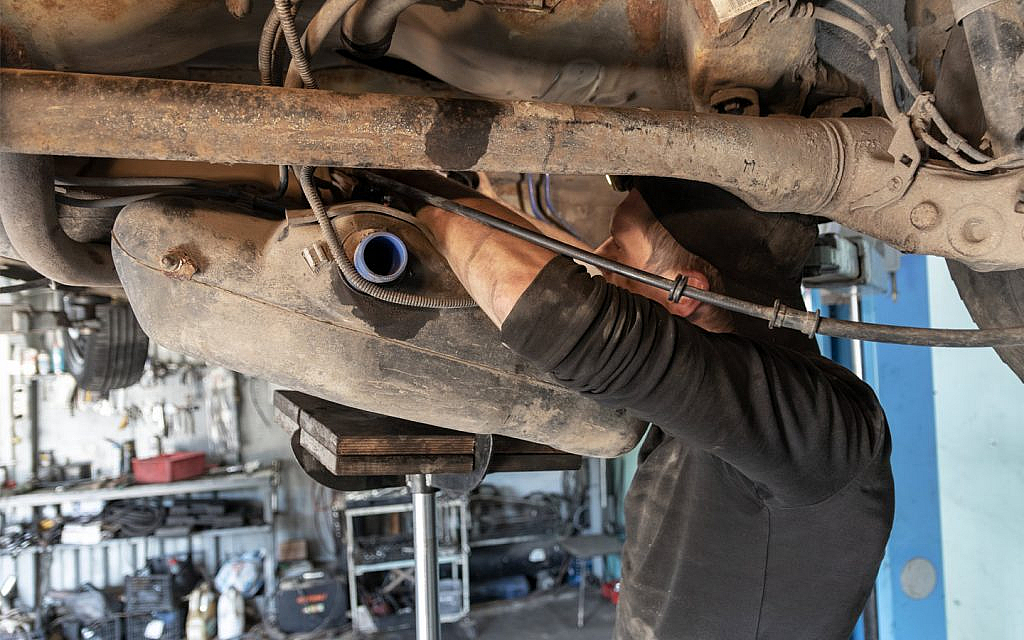
Fuel tanks are generally built to last but can develop problems over time. Here are some common issues.
Fuel Leaks
A fuel leak can occur if the tank is damaged or the fuel lines crack. Leaks are dangerous and should be fixed immediately to avoid accidents or further damage to the car.
Clogged Fuel Lines and Rust
Dirt or debris can sometimes clog the fuel lines. This can restrict fuel flow to the engine, causing the car to run poorly or not start. Clogged fuel lines can cause the car fuel tank not filling up.
Metal tanks can rust over time, especially in areas with high humidity. Rust can cause leaks or contaminate the fuel, leading to engine problems.
Fuel Pump Failure
If the fuel pump fails, the engine won’t get the fuel it needs. This is a common issue in older cars and can lead to the car not starting. Know the common causes and fixes of noisy fuel pump.
Faulty Fuel Gauge
A faulty fuel gauge can give inaccurate readings. This might cause you to run out of fuel unexpectedly if you rely on the gauge instead of checking the tank.
How to Maintain a Fuel Tank
Proper maintenance can help extend the life of your car fuel tank and prevent common problems.
Use High-Quality Fuel
Using high-quality fuel can prevent impurities from clogging the fuel lines or damaging the tank. Cheap fuel can sometimes contain debris that can cause problems in the fuel system. Also, regularly inspect your car for fuel leaks. If you smell petrol or diesel, check under the car for wet spots, which might indicate a leak. Knowing how to decode octane ratings will help you choose the top-quality fuel for your vehicle.
Clean the Car Fuel Tank
Over time, sediment can build up in the tank. If your car is old or has been sitting unused for a while, consider having the tank cleaned by a professional.
Replace the Fuel Filter
The car fuel filters catch debris before it reaches the engine. A clogged filter can strain the fuel pump, so it’s important to replace it according to your car’s maintenance schedule. The common symptoms of a bad fuel filter include engine stalling and check engine light.
FAQs
Can a damaged fuel cap cause engine problems?
Yes, a damaged or loose fuel cap can cause your engine to run less efficiently. It might trigger the check engine light by allowing fuel vapours to escape, disrupting the emission system.
Is it safe to fill the fuel tank to the full limit in hot weather?
Yes, filling the fuel tank to the full limit in hot weather is entirely safe. All tanks have valves to release excess pressure and it could never build up enough pressure to do any damage to it or the vehicle.
How does cold weather affect the car fuel tank function?
Cold temperatures can cause the fuel to contract, potentially causing condensation and water build-up inside the tank.
The car fuel tank is an important part of your car’s operation. Regularly check your fuel tank for leaks and other issues. With proper care, your fuel tank can last for many years, ensuring your car stays on the road and runs efficiently. While it might not be the most visible part of your car, the fuel tank plays a key role in keeping everything running smoothly.
Discover a wide range of new cars for sale in the UAE with fuel-efficient tanks, ensuring you get the best mileage for your journey.
For more information on car parts, keep visiting dubizzle blog.
Related Posts


