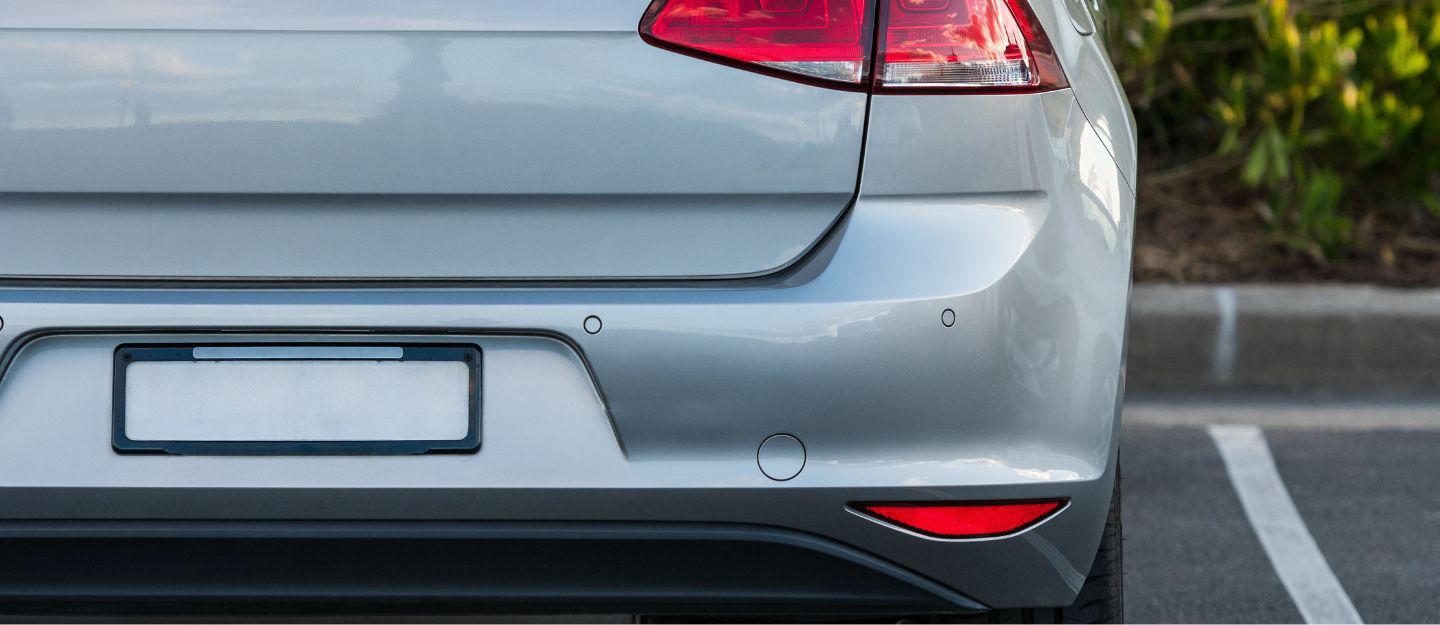
Car bumpers are more than just aesthetic add-ons; they play a crucial role in vehicle safety, impact absorption, and overall design. They are positioned at the front and rear of the car to minimise damage after a collision. Over the years, bumpers have evolved significantly from simple metal bars to advanced aerodynamic ones. That said, a variety of bumpers in different shapes and sizes have been used in recent times.
Let’s take a look at the car bumpers, their types, function and anatomy in more detail.
History and Evolution of Car Bumpers
At first, bumpers were only designed for aesthetic purposes, adding a touch of style to early vehicles. However, as safety concerns grew, automobile companies began developing bumpers that could offer additional protection.
Earlier bumpers were large and made of heavy materials like iron and brass that were later replaced with plastic. Metal or chrome bumpers have retained their popularity. In fact, these bumpers top the list of older car features that we miss in modern vehicles.
Here is the complete history and evolution of car bumpers.
1920s to 1940s
Metal bumpers with chrome finishes were first used on cars to elevate the car’s aesthetics. With time, bumpers became more complex and were designed to fit perfectly with the car’s exterior.
After World War II, the economic conditions improved globally, resulting in innovative and advanced bumper designs.
1950s to 1970s
Automobile manufacturers merged bumpers with car grilles for a more streamlined look. During this era, new bumpers were painted to match the car’s body. Later on, plastic car bumpers were introduced, marking a new chapter.
Bumpers made of plastic were lighter and more stylish compared to their predecessors. The moldable nature of plastic allowed manufacturers to introduce more complex shapes to complement the car’s design.
1980s to 2000s
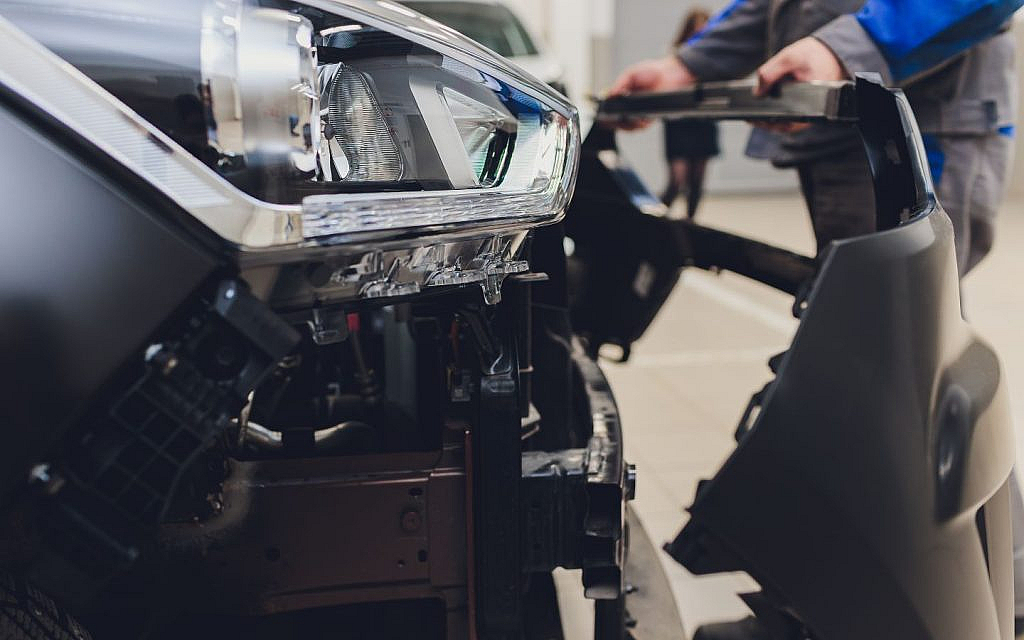
Along with the increasing use of plastic for bumper covers, different materials like steel and aluminium were used to create strong reinforcement bars underneath the outer cover.

Almost every new car had plastic bumpers with foam or plastic honeycomb structures beneath them for energy absorption.
Bumpers in the 2000s continued the trend of combining safety and style. The use of lightweight materials like carbon fibre and high-strength plastics became more common. Advanced technologies like parking sensors and cameras were also integrated into bumper designs.
2010 to Present
Today’s bumpers represent the culmination of decades of innovation. They are designed to integrate smoothly with the car’s overall aesthetics while providing maximum protection.
Anatomy of Car Bumpers
At first sight, car bumpers may look simple, but they consist of important and different parts. These components are designed for protection, aesthetics and functionality. Below is a detailed breakdown of each part and its role in the bumper system.
Bumper Cover/Fascia
This part is the outer shell of the bumper. It is usually made up of plastic or fibreglass. It is designed to give an aesthetic look and protect the parts underneath.
Energy Absorber
This part is located behind the bumper cover. Its foam or plastic honeycomb structure is designed to compress and deform when struck, reducing the impact applied to the vehicle and its occupants.
Reinforcement Bar
Also known as beam or bumper reinforcement, the reinforcement bar is usually made of steel or aluminium. It helps to distribute the force across a wider area, preventing serious damage to the car’s frame.
Bumper Brackets
These are the metal brackets that attach the whole bumper to the vehicle’s frame or body structure. Its function is to keep the bumper in place during a collision, avoiding issues like bumper gaps.
Functions of Car Bumpers
While bumpers contribute to a car’s appearance, their primary function is safety. They are crucial for protecting your car and its occupants during collisions.
Here are some of the important functions of a car bumper.
Car Protection
Bumpers act as a shield, absorbing the brunt of impact forces in collisions. This not only protects the car’s frame from damage but also safeguards important components like headlights, the grille and even the engine.
Without bumpers, even a low-speed fender bender could result in costly repairs and potential injuries.
Pedestrian Protection
In the event of a collision with a pedestrian, the bumper acts as a cushion, helping to reduce the severity of injuries to the pedestrian as well as the driver.
Aesthetics
Bumpers are designed to be both safe and stylish. They contribute to the overall look of a vehicle, and their design plays an important role in a car’s aesthetic.
Enhanced Aerodynamics
Along with safety, bumpers also play a role in managing the aerodynamics of a car. Modern bumpers are often designed to improve aerodynamics, helping air move smoothly over and around the car. This can slightly improve fuel efficiency and reduce wind noise. Some bumpers even incorporate air intakes to help cool the engine and maintain aerodynamics.
Types of Car Bumpers
Just like cars, bumpers come in different shapes and sizes, each with its purpose. Here are some of the common types of car bumpers.
Standard Bumper
This is the most common type of bumper. It is usually made of plastic and covers the front and rear of a vehicle. It offers basic protection against minor impacts and scratches. It is cost-effective and easy to replace.
Step Bumper
Mostly found on mini-trucks and SUVs, step bumpers have a built-in step in the middle, making it easier to access the cargo bed or roof. Along with easy access to cargo, it also provides a car with a rugged exterior.
Cowboy Bumper
These bumpers are found on trucks and are designed for heavy-duty use. They are usually made of steel, which provides extra protection. They sometimes have a distinctive, tall design.
Tube Bumper
Tube bumpers, built for ruggedness, are often found on off-road vehicles. Made of strong metal tubes, they can withstand the bumps and scrapes that come with off-road driving.
Roll Pan
These stylish bumpers, often found on custom cars, prioritize aesthetic look over heavy-duty protection. They are designed to improve the car’s appearance, creating a smooth flow at the back of the vehicle.
When to Replace Your Car Bumper?
Whether your car needs a bumper repair or a complete replacement depends on the extent of the damage. To make this decision easier, here’s a guide to help you decide regarding car bumper repair.
- Assess the Damage: Look closely at the bumper. If the scratches and dents are minor, they can often be repaired.
- When to Replace: If the damage is severe, like large cracks, deep dents, or structural problems. This replacement is a better option, as a damaged bumper won’t protect you in another accident.
- Seek Professional Advice: If unsure, visit a trusted mechanic or body shop. They can assess the damage and recommend what is the best thing to do.
To repair a bumper under a budget, browse through these used accessories for sale in the UAE and find a car bumper conveniently.
FAQs
What are the benefits of a bumper?
Bumpers protect passengers, drivers, pedestrians and car body parts from damage during low-speed crashes. They can also improve a car’s aerodynamics and fuel efficiency.
Are bumpers metal or plastic?
Most modern car bumpers have a plastic cover over a reinforcement bar made of steel, aluminium or plastic.
Why is it called a bumper?
The name comes from the original function of these car parts, which is to bump away from obstacles with minimal damage.
How strong are car bumpers?
Modern bumpers are designed to withstand impacts at speeds up to 8 km/h without sustaining major damage.
Can bumper scratches be repaired?
Yes, techniques like plastic welding and paintless mark removal can be used to fix tiny dents and scratches on bumpers.
Car bumpers have evolved from being a decorative part to an important safety feature. They play a crucial role in protecting car passengers and drivers in collisions while also contributing to vehicle aerodynamics. The maintenance and repair process of bumpers is relatively simple; however, finding a matching bumper can be a hassle. For that reason, when opting for used cars for sale in the UAE, make sure it has an intact bumper to avoid the hassle.
Stay tuned to dubizzle’s auto blog for more information on car parts.
Related Posts