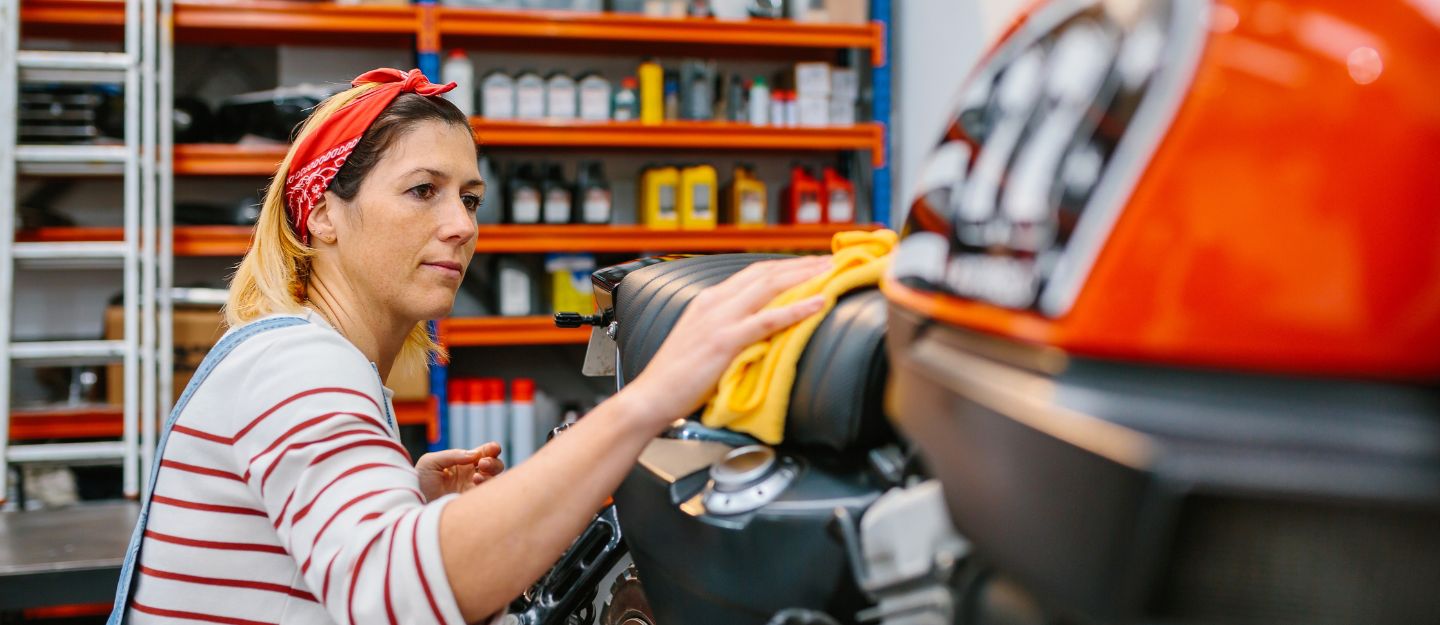
When it comes to motorcycles, the seat is where comfort meets control; it affects your posture, how you ride and how much you enjoy longer journeys. A worn-out seat can turn a ride into a test of endurance. Over time, constant exposure to heat and environmental elements and daily wear can cause seats to crack, fade or lose cushioning. That’s where motorcycle seat reupholstery can delay the need for a seat replacement. Whether you want to restore an old seat, add extra comfort for long trips, or personalise the look of your bike, reupholstery is a practical solution.
Why Motorcycle Seat Reupholstery Matters
A well-reupholstered seat isn’t just about looks; it can transform the way you ride. Proper padding and durable materials keep you relaxed on long journeys, resist damage from weather and help your bike hold its value. Instead of replacing the entire seat, reupholstery extends its lifespan while tailoring it to your style. There are additional ways to keep your motorbike more comfortable, but seat reupholstery can make a significant difference in most cases.
Steps to Reupholster a Motorcycle Seat
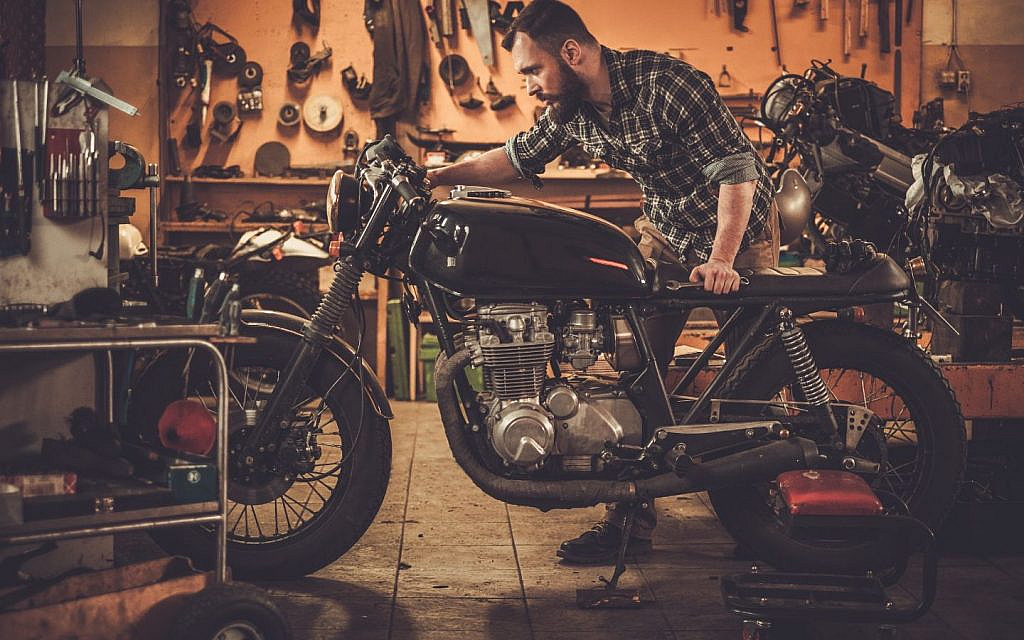
With a bit of patience, you can reupholster your motorcycle seat and enjoy a refreshed look and feel. This step-by-step guide will make the process easier:
Step 1: Gather the Tools: Collect all materials and tools needed, including a staple gun or strong adhesive, marine-grade vinyl or leather, pliers, heat gun, scissors, foam (if replacing or reshaping padding) and screwdrivers or spanners for seat removal.
Step 2: Remove the Seat: Unbolt the seat from your motorcycle. Check your bike’s manual to locate all mounting bolts. Many riders find it easiest to work on a dry day.
Step 3: Strip Old Upholstery: Carefully peel off the old cover. Use pliers or a staple remover for stapled seats. Remove any worn or damaged foam.
Step 4: Inspect and Prepare the Seat Pan: Look for cracks or rust. Repair or reinforce any damage before adding new padding.
Step 5: Understand the Material: Choose a material that suits your needs, considering durability, weather resistance, comfort and ease of cleaning.
Step 6: Replace or Reshape Foam: Add new foam or reshape the existing padding to improve comfort. Memory foam or high-density foam can make longer rides more enjoyable.
Step 7: Cut and Fit New Upholstery Material: Measure and cut the material, leaving extra for stretching and stapling. Use proper tools to secure it properly.
Step 8: Attach the Reupholstery: Stretch the cover evenly over the foam and seat pan. Staple from the centre of each side, working outwards and smooth out any wrinkles for a snug fit.
Step 9: Trim Excess Material: Carefully cut away extra fabric to avoid bulk and create a clean edge.
Step 10: Reinstall the Seat: Bolt the seat back onto your motorcycle and check alignment and fastening for safety.

Benefits of Motorcycle Seat Upholstery
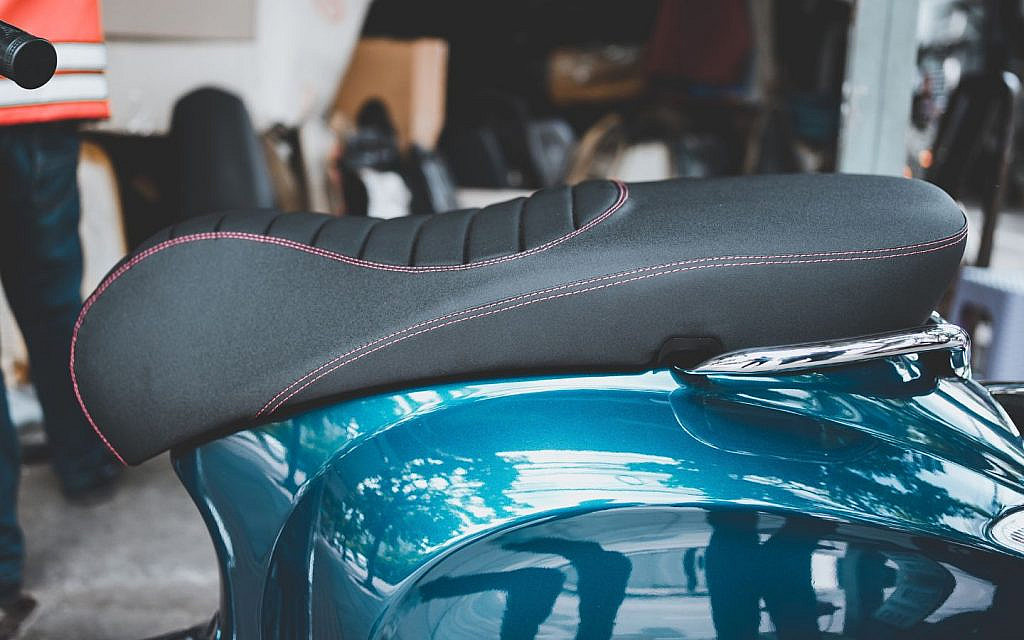
A refreshed seat can make a real difference. Reupholstery improves comfort and makes your ride more enjoyable. Proper motorcycle seat reupholstery can:
- Enhanced Comfort: Fresh padding or memory foam can reduce strain on long rides.
- Custom Look: Choose colours, textures and stitching styles to match your bike’s design.
- Durability: New reupholstery materials resist sun, rain and general wear better than aged fabric or leather.
- Cost-Effective: Reupholstery is often cheaper than buying a brand-new seat.
- Sustainability: Extending the life of your current seat reduces waste.
Important: Consider the motorcycle seat height, as it plays a key role in comfort and riding control.
FAQs
Can I reupholster a motorcycle seat myself?
Yes, DIY reupholstery is possible with the right tools and materials. However, professional services can offer higher-quality finishes and custom designs.
How often should I reupholster my motorcycle seat?
Depending on usage and exposure, seats may need reupholstering every 5–10 years or sooner if you notice cracks, worn padding or fabric damage.
What materials are best for motorcycle seat upholstery?
Popular options include vinyl, leather or synthetic fabrics. Vinyl is durable and weather-resistant, leather offers premium aesthetics and synthetic materials can balance comfort and cost.
Reupholstering your seat is more than a cosmetic upgrade. It allows you to ride longer, more comfortably and with a bike that reflects your style. With the right tools, DIY motorcycle seat reupholstery is perfect for hands-on enthusiasts who enjoy a rewarding project. Riders looking to reupholster their bikes can explore motorcycle accessories for sale in the UAE.
Stay tuned to the dubizzle cars blog for more DIY projects and professional tips to personalise your motorcycle for style and comfort.
Related Posts