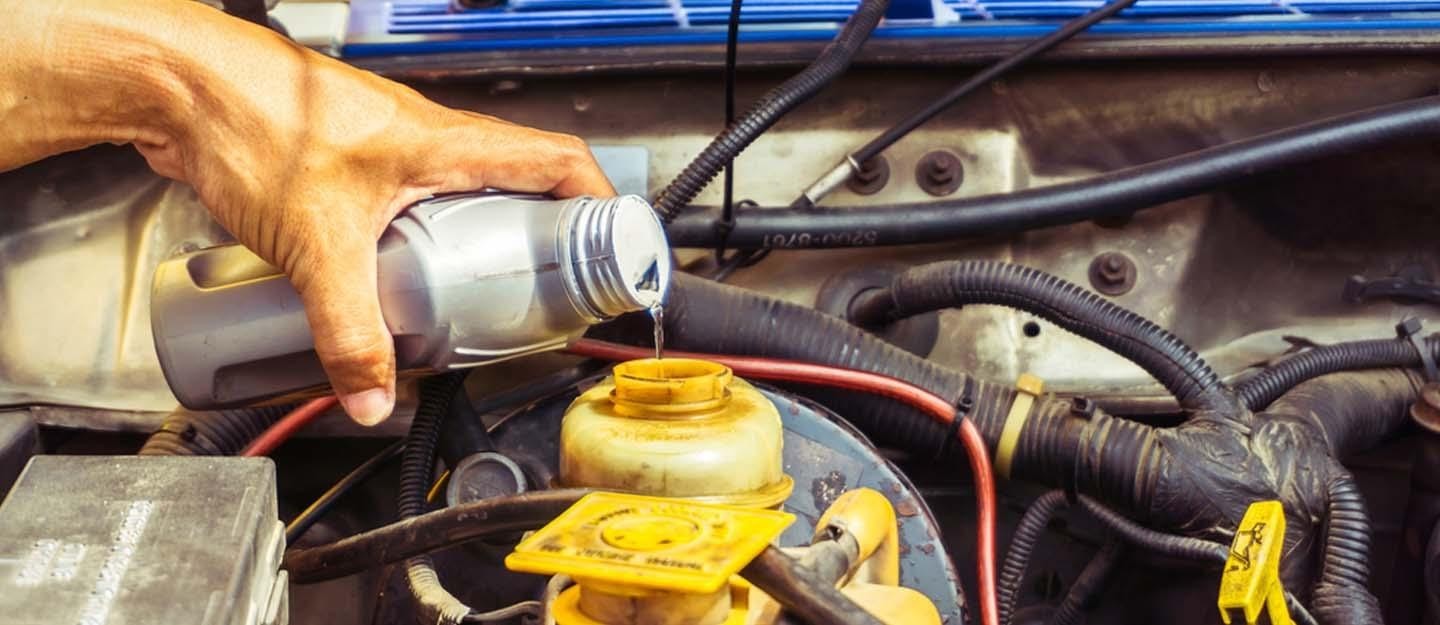
Brake fluid is an essential part of your vehicle’s braking system. As the name suggests, it is a hydraulic fluid that helps your car stop safely. Simply put, it transfers the force applied on the brake pedal into the braking mechanism each time you press it.
Importance of Car Brake Fluid
Brake fluid transfers the force from the brake pedal into hydraulic pressure, allowing the braking system to function properly and bringing the vehicle to a stop when needed. The fluid ensures the safe operation of the car’s braking system
It also helps maintain consistent braking performance by ensuring even pressure distribution across all wheels. This supports smooth and reliable stopping under different driving conditions.
In addition, brake fluid lubricates internal braking components and contributes to preventing rust and corrosion.
Brake Fluid and Safety
Issues such as low levels of brake fluid or leaks are serious concerns that compromise braking performance, leading to brake failure. Key warning signs include:
- If you notice sudden changes in braking performance while driving, it may indicate a brake fluid issue. In such cases, the vehicle should be stopped and inspected immediately.
- The brake fluid reservoir should ideally remain between the MIN and MAX lines or around three-quarters full. Levels below this can affect braking efficiency and increase the risk of brake failure and serious accidents.
- Using old or contaminated brake fluid can also reduce overall braking performance and affect driving safety.
- Proper brake performance is important for drivers who travel at higher speeds, long-distance travel and heavy traffic hours, where quick stopping response is necessary.
How Brake Fluid Works
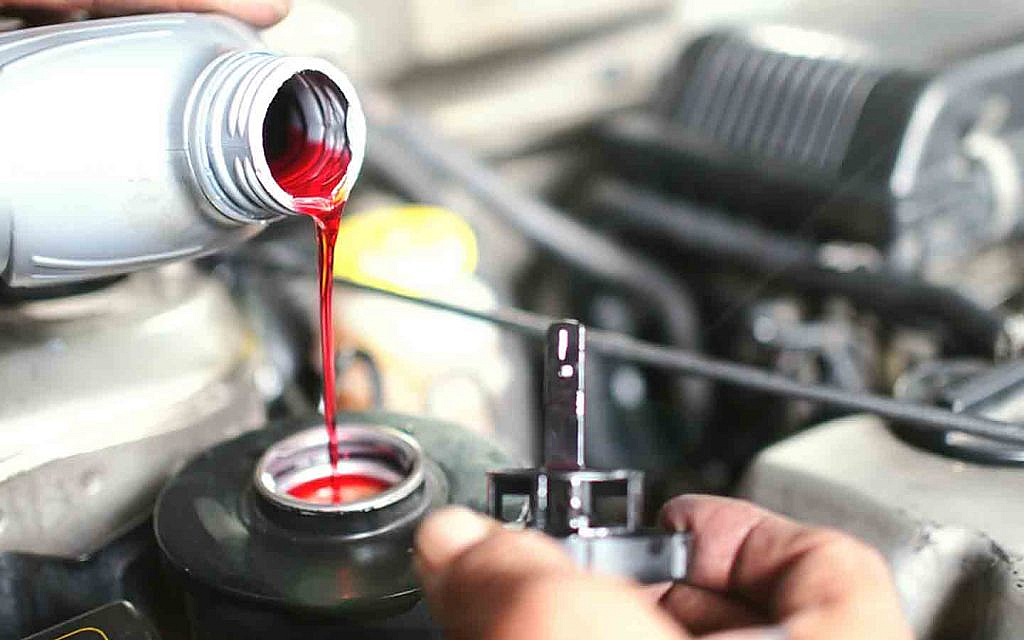
The car brake fluid works by carrying hydraulic pressure through a sealed network that connects the brake pedal to each wheel.
- When the driver presses the brake pedal, it activates the master cylinder filled with brake fluid
- The master cylinder converts this force into hydraulic pressure
- The pressurised fluid travels through brake lines to each wheel
- This pressure pushes pistons inside the brake callipers
- The pistons force the brake pads against the discs or drums
- The resulting friction slows the wheels and brings the vehicle to a stop
How to Check Brake Fluid Level
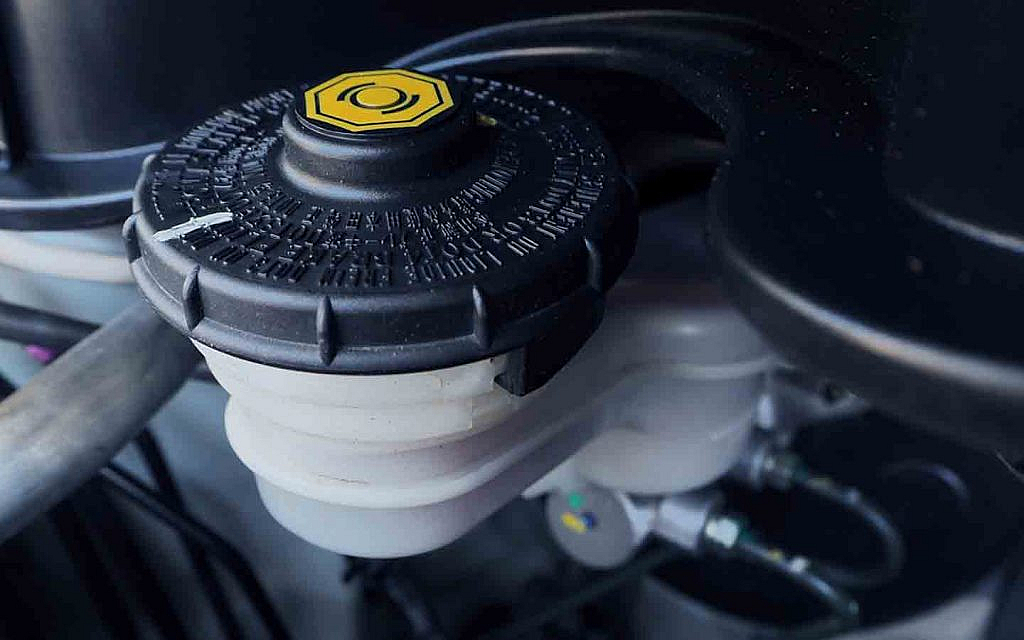
To check the condition of the brake fluid in your car, follow these steps:

- Start by cleaning the top of the brake fluid reservoir cap. Even small dirt particles entering the system can affect braking performance and damage internal components.
- Carefully open the brake fluid reservoir and check the fluid level. Avoid leaving the cap open for too long. Brake fluid absorbs moisture from the air, which can reduce its effectiveness and lead to corrosion of hydraulic components.
- The brake fluid level should ideally be within the recommended range marked on the reservoir or around three-quarters full. Do not overfill the reservoir, this will put the system under unnecessary pressure.
- If the reservoir is empty or the level is significantly low, check the system for possible car brake fluid leaks.
- Inspect the colour of the brake fluid. Fresh fluid is usually clear, while dark or cloudy fluid indicates contamination and the need for replacement.
If you are unsure about performing these checks yourself, it is advisable to consult a professional mechanic. You can find reliable car mechanics on dubizzle for professional assistance.
What is Brake Fluid Flush
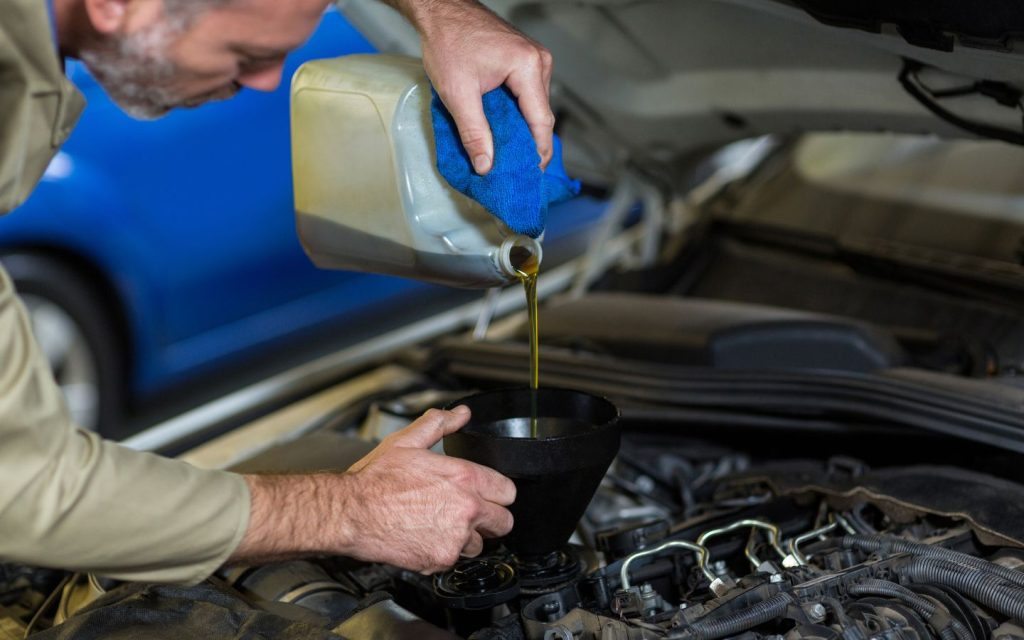
Over time, brake fluid absorbs moisture and contaminants, reducing the efficiency of the braking system. This is where brake fluid flush becomes important. It is a maintenance process where all the old brake fluid in your vehicle’s braking system is replaced with new one. Common signs your braking system needs attention include:
- Reduced braking performance
- Corrosion inside the brake components
- The brake pedal feels soft or spongy
During the brake flush process, the mechanic:
- Drains the old fluid from the system
- Cleans out any air or moisture
- Refill the system with new brake fluid
- Bleed the brake system to remove any trapped air
It is usually recommended to get the brake fluids flushed every 2 to 3 years, depending on the vehicle and driving conditions.
Types of Brake Fluids
Brakes are crucial for your car’s safety, for this reason, owners are always in search of the best type of brake fluids. Commonly used brake fluids include:
Brake Fluid Dot 3
This fluid is appropriate for standard passenger vehicles used for regular commuting and moderate braking conditions. DOT 3 brake fluid is a glycol-based fluid with a dry boiling point of approximately 205 degrees Celsius and a wet boiling point of about 140 degrees Celsius.
Brake Fluid Dot 4
This is also a glycol-based fluid; it has a higher boiling point than DOT 3, with a wet boiling point of around 155 degrees Celsius and a dry boiling point of about 230 degrees Celsius. Brake Fluid DOT 4 has a higher boiling point but needs to be changed more frequently.
Owing to its higher boiling points, DOT 4 is common in vehicles that are exposed to heavier braking conditions, due to carrying heavy loads, towing or driving in hilly terrain.
Both DOT 3 and DOT 4 absorb moisture from the atmosphere. This can cause water to absorb in the brake fluid reservoir from the air, which is why the brake fluid reservoir cap must always be sealed tight. If spilled, DOT 3 and DOT 4 can damage your car’s paint.
Brake Fluid Dot 5
This is a synthetic blend fluid consisting of a silicon base. It has a wet boiling point of 180 degrees Celsius and a dry boiling point of 260 degrees Celsius. Brake Fluid DOT 5 does not absorb moisture, which enables the boiling point to remain stable.
However, since Brake Fluid DOT 5 does not absorb moisture, any trapped water in the system can accumulate in certain areas, potentially leading to corrosion if left unmonitored.
This fluid is specific to race cars and other performance-based vehicles. It is not recommended for regular cars and should not be mixed with DOT 3 or DOT 4.
FAQs
How often should one change their brake fluid?
This depends on various factors, including your car’s make, the driving conditions and the manufacturer’s recommendations. Generally, brake fluids are replaced every two to four years. Regular brake fluid inspections during oil changes or routine servicing help determine contamination or moisture buildup early.
How to check the quality of the brake fluid?
Fresh brake fluid is almost transparent or has a dash of yellow colour. If the brake fluid is getting dark or dusty in colour or smells of being burnt, it must be checked immediately. Low fluid levels or changes in the brake pedal also signal potential issues with the braking system.
Can brake fluids be mixed?
No. You shouldn’t mix different brake fluids, as all manufacturers have a unique formulation. They can react differently and destroy the car’s braking system. You need to flush all the old out before trying a different type of brake fluid.
Regular brake repairs and timely replacements help prevent braking issues and maintain the efficiency of your vehicle’s braking system.
Each type of car braking system requires its own brake fluid. Always use the one that best fits your vehicle. Besides, if you want to replace some parts of your car, you can find a variety of auto accessories and parts on dubizzle.
Moreover, if you’re willing to change your vehicle, explore these used cars for sale in the UAE. Those looking for brand new rides can go through this list of new cars for sale in the UAE.
Stay tuned to dubizzle’s car blog for more on vehicle components and maintenance tips.
Related Posts