- Signs
- Cost
- Types Of Services
- Maintenance Tips
- FAQs
Brakes are among the most essential components of a car. If you can’t stop your car exactly when you need to, you are risking yourself and everyone else on the road. Even a second delay can be disastrous. To ensure maximum safety, your brakes must be in perfect condition. However, brakes tend to wear out like any other car part. It is important to know when you need a car brake repair.
This guide explains all the signs that indicate your car brakes need repair.
Brake Repair Signs to Look out for
Given below are the warning signs that your car brakes need repair on a priority:
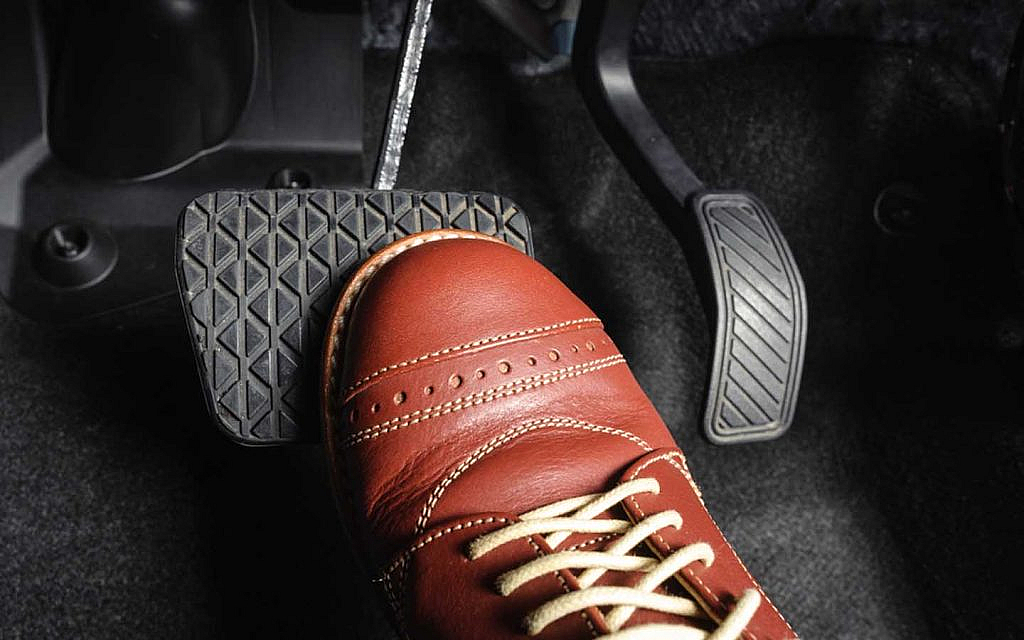
1. Car brake pedal vibrate
If you experience a pulsating or vibrating sensation when you press the brake pedal, it is a sign you need car brake repair. This is an indication that you may have bad brake pads. Sometimes, re-machining the brake pads works. However, if that doesn’t work, you will get the car brakes replaced.
2. Brakes make clicking sounds
Cars have a device to prevent brake pads rattling when you depress the pedals. If you hear a clicking noise on applying the brakes, it is time to get your car brakes checked. This can be because of the thinning of the brake pads. You might have to get them replaced.
3. Car makes screeching noises
Screeching sounds from brake pedals can be quite confusing. They can be heard when the brakes are newly installed too. Sometimes, hard brake pads make such noises too. However, if there is screeching noise along with rattling or clicking sounds, then it is a sign you need to replace your brake pads that have turned too thin. They do not offer the security they are meant to provide now.
4. Car gets pulled on one side
If your car is pulled to one side as you drive, it could mean the vehicle needs a wheel alignment. However, if the pulling happens only when you press the brakes, it means the brake pads have thinned resulting in an imbalance on the tyre grips. This causes the pull, which means you need new car brake pads.
5. Thin Car Brake Pads
Brakes pedals are consumable car parts and are therefore not a part of a car warranty either. This means car brake pads will grow thin with time and usage. Keep an eye out for visual signs of thinning or worn out. Brake pads are visible through the spokes of tyres. If the thinning is too obvious, replace your brake pads immediately.

Car Brake Repair Cost
The cost of car brake repair depends on the nature of the fault. Moreover, it can be higher for high-end cars with sophisticated braking systems. To get a quote, you need to take the car to an experienced mechanic and have it inspected as the price will vary according to your particular car, brake issue and the number and types of repairs required.
Finally, if the brakes are beyond repair, you might have to replace them altogether. However, the cost of replacing car brakes is higher than repairing.
The Types Of Brake Services
The most common types of brake services are as follows:
Brake Pad Replacement
One of the most common brake services is brake pad replacement. Brake pads press against the brake rotors to slow down or stop your car. Over time, they wear out and need replacing.
Signs that your brake pads need replacement include squeaking noises, reduced braking efficiency, or a brake pad warning light. Replacing brake pads promptly can prevent damage to other braking components. Here’s more on brake pads and rotor replacement.
Brake Rotor Resurfacing or Replacement
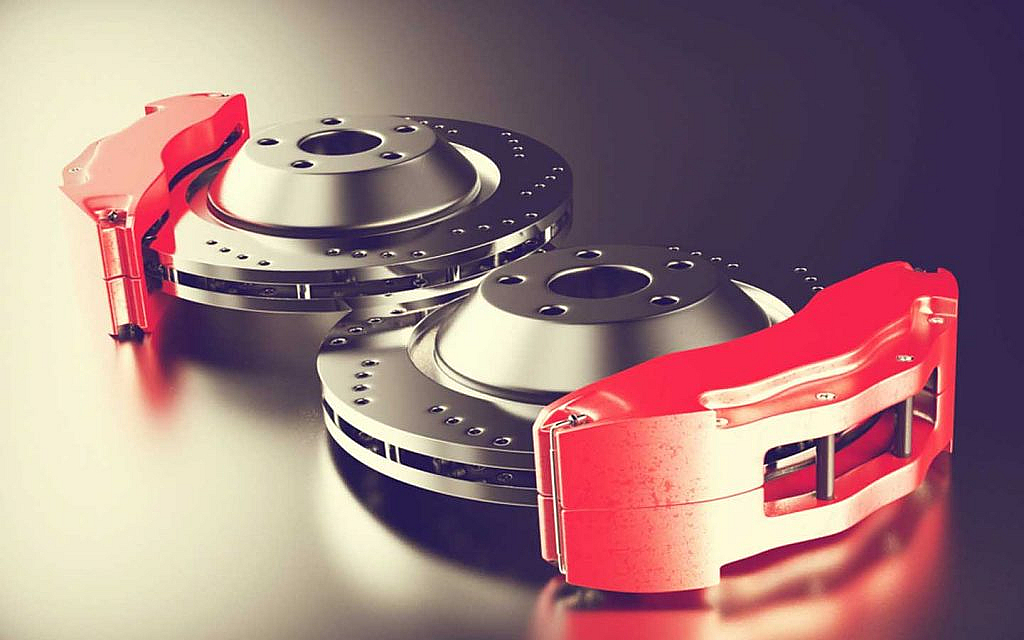
Brake rotors, also known as brake discs, work with the brake pads to slow down your vehicle. Over time, rotors can become warped or damaged due to heat and wear. If your rotors are warped, you might feel a pulsation or vibration when braking.
During brake service, mechanics can resurface the rotors if the damage is minimal. However, if the rotors are too thin or severely damaged, they must be replaced to maintain effective braking performance.
Brake Fluid Exchange
Brake fluid is crucial for the proper functioning of your brake system. It transfers force from the brake pedal to the brake components. Over time, brake fluid can become moisture-contaminated, leading to reduced braking efficiency and even brake failure.
A brake fluid exchange involves draining and replacing the old fluid with fresh, clean fluid. Regular brake fluid exchanges prevent corrosion and maintain optimal braking performance. Moreover, bleed the brakes immediately after a brake fluid exchange for better performance. Here’s how to bleed car brakes.
Brake Caliper Servicing
Brake callipers house the brake pads and pistons. They are responsible for pressing the brake pads against the rotors to create friction and stop the car. Over time, they can become stuck or fail, leading to uneven braking or reduced braking power.
Calliper servicing involves cleaning, lubricating and sometimes replacing the callipers to ensure they operate smoothly. Properly functioning callipers are vital for consistent and effective braking.
Brake Line Inspection and Repair
Brake lines are the conduits that carry brake fluid from the master cylinder to the brakes. Any damage or leaks in the brake lines can result in brake fluid loss and reduced braking ability.
Regular inspection of brake lines for signs of wear, corrosion, or leaks is crucial. If any issues are found, repairing or replacing the damaged brake lines ensures your brake system operates reliably and safely.
ABS (Anti-lock Braking System) Service
The Anti-lock Braking System (ABS) helps prevent wheel lockup during hard braking, improving control and stability. ABS components, including sensors and the ABS module, need regular inspection and servicing to ensure they function correctly.
If the ABS warning light comes on, it is a symptom of a bad ABD control module. ABS service involves diagnosing and repairing problems to maintain the system’s reliability and safety.
Emergency Brake Repair
The emergency brake, or the parking brake, is essential for keeping your car stationary when parked. It operates independently of the main braking system and uses cables and mechanical linkages. Over time, these components can wear out or become misaligned.
Regular inspection and repair of the emergency brake ensure it works effectively when needed, providing additional safety.
Car Maintenance Tips
Depending on the damage and fault, car brake repair can put a dent on your wallet. You can extend the life of your car’s brakes by taking better care of them. Here are a few things you can do:
- You must get your car brake and brake pads inspected once a year. Replace them in case they are too worn and don’t work properly, have them replaced.
- Also, regularly check your brake fluid. The brake fluid of your car absorbs water and transfers heat to all parts of the brake system. You can bleed car brakes to remove dark fluid. You may face spongy brake pedals due to the brake fluid leakage.
- Avoid sudden braking. Always drive with some space between your car and the car ahead of you. Slow down before applying brakes to reduce pressure on them as pressure may result in overheated brakes.
- Invest in good quality and reliable brakes. They may be slightly expensive but they will offer better safety, efficiency, and durability in the long run.
- Finally, pay heed to the warning signs and get the car brakes checked immediately instead of waiting for too long.
FAQs
Can I still drive if my brake pads are worn?
If you drive with worn-out brake pads, it can lead to accidents. In addition to compromising safety, using a car with faulty brake pads can put a dent in your pocket. It can wear out the brake lines which can further warp the rotors. Getting the rotors fixed will cost more money than replacing the brake pads.
Can I just replace the brake pads and not rotors?
Yes, you can replace the brake pads alone without changing the rotors. It is recommended to just change the pads unless the rotors are also worn out or damaged. In that case, you may have to get the whole thing replaced.
Should you replace all four brake pads at once?
It is recommended to replace both the front or the rear brake pads simultaneously. If one of the front brake pads is worn out, the other is likely to be wearing out at the same rate too.
Do front brakes wear faster than the rear?
Yes, the front brake pads take a lot more pressure when you apply brakes than the rear. Meanwhile, natural wear and tear are at work too. Therefore, the front brakes are likely to wear out more quickly than the rear.
These are some of the most common brake problems that must be addressed for the optimum performance of your vehicle. If you are in need to replace your car brakes, you can buy brakes in the UAE and make a DIY job out of it. Also, check out other car parts for sale to ensure the best vehicle performance.
Stay tuned to the UAE’s top auto blog for more information on car parts and repairs.
Related Posts