The brake-by-wire system is a modern braking technology that replaces conventional mechanical and hydraulic linkages with electronic controls. In this system, pressing the brake pedal sends a signal to an actuator which then applies braking force. This allows for faster and more precise control. This technology is common in electric and hybrid vehicles, as it complements advanced electronic systems, minimises weight and enhances fuel efficiency. Additionally, it enables integration with modern driver-assistance systems to make vehicles safer and smarter.
Dive in to learn more about what is brake-by-wire system and how it works in modern cars.
Brake-by-Wire Technology Explained
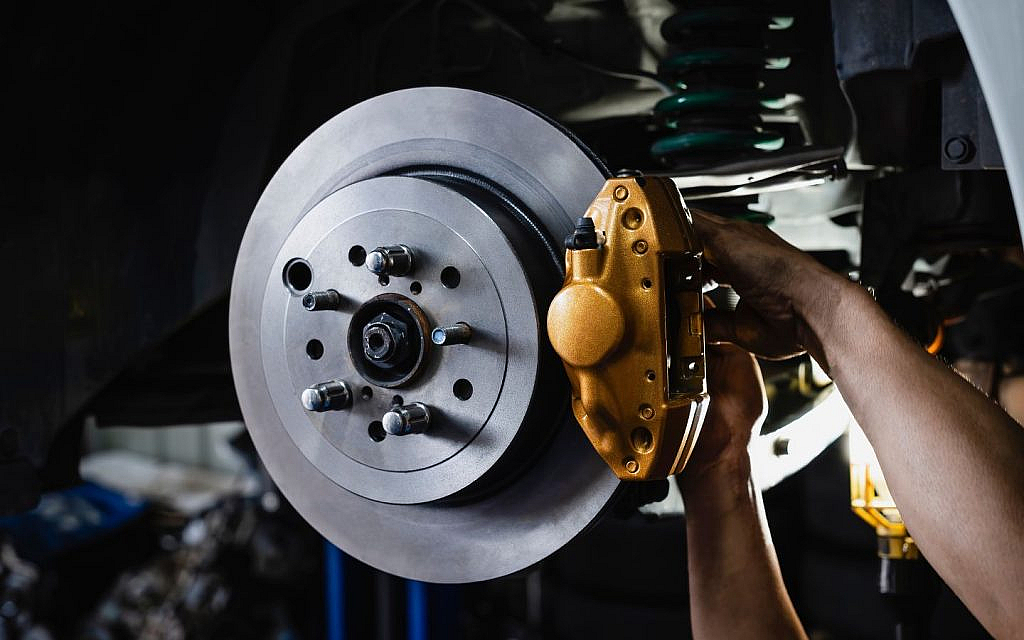
Using a brake-by-wire system is similar to conventional car brakes. In a brake-by-wire system, the driver’s brake input is not directly transmitted via brake fluid. Instead, sensors in the brake pedal detect the pressure and electronic controllers process this input to control the braking force. Actuators at each wheel respond instantly and apply precise braking force according to the driver’s input. Some brake-by-wire systems also use regenerative braking, which captures the energy during braking and converts it into battery power, especially in hybrid and electric vehicles.
The brake-by-wire system maintains a natural braking feel, despite the absence of hydraulic components. Engineers design the pedal feedback and response to mimic traditional brakes, so the transition is seamless for drivers.

Safety Aspects of Brake-by-Wire Systems
The unique brake-by-wire system working makes it possible for it to be integrated with other safety features. This ensures a safer driving experience. Some safety measures that can be integrated with the brake system are as follows.
Traction Control
Brake-by-wire systems are also crucial for traction control, which prevents wheels from slipping on slippery surfaces. Traction control selectively applies braking force to specific wheels based on road conditions. This maintains vehicle stability and reduces the risk of skidding. Brake-by-wire’s precise control enhances this system by delivering the exact amount of braking needed at each wheel. As a result, it optimises grip and stability.
Electronic Stability Control
Electronic Stability Control (ESC) is another crucial safety feature that benefits from brake-by-wire technology. ESC detects loss of control or skidding and automatically applies brakes to individual wheels to help the driver maintain stability. Applying the brakes with precision reduces the likelihood of accidents in situations where sudden manoeuvres are necessary.
What are the Benefits of Brake by Wire Systems?

The advantages of brake-by-wire systems are as follows:
- Enhanced Vehicle Dynamics: Brake-by-wire allows for more controlled braking and improves the vehicle’s overall driving dynamics.
- Reduced Environmental Impact: Lower weight and integration with regenerative braking in hybrids and electric vehicles make brake-by-wire systems more eco-friendly.
- Customisable Pedal Feel: Engineers can fine-tune pedal responses for different scenarios. Aggressive feedback for performance driving and softer feedback for everyday use.
- Consistent Performance: Pedals in brake-by-wire systems remain stable and prevent overheating of brakes even after heavy use, unlike traditional brakes.
- No Hydraulic Fluid Needed: Brake-by-wire eliminates the need for brake fluid.
- Simplified Assembly: All Brake-by-wire components and suspension units can be preassembled and easily attached to the vehicle to streamline production.
- Lower Maintenance: The absence of brake fluid decreases the need for routine fluid changes which is a common brake problem faced by drivers.
FAQs
What are the disadvantages of brake-by-wire?
One disadvantage of brake-by-wire is the potential for electronic failures, which could compromise braking performance if hydraulic override safeguards are not in place.
What are the two types of brake-by-wire systems?
Electro-Hydraulic Brake System (EHB) and Electro-Mechanical Brake System (EMB) are two types of brake-by-wire systems.
What is the working principle of an electrical braking system?
When the brakes are applied, an electric current flows through a coil. This creates a magnetic field that interacts with the wheel’s metal disc or rotor and generates a force that slows the wheel.
When Was Brake-by-Wire Invented?
Brake-by-wire was invented in 2005 for electric vehicles.
Which cars are brake-by-wire?
Typically, electric and hybrid vehicles are equipped with brake-by-wire systems. Car manufacturers like Toyota, General Motors, Ford and others use this technology.
The brake-by-wire system is a significant advancement in automotive technology as it offers better precision, reliability and safety. As more vehicles adopt this system, it will make driving smoother and more efficient. Meanwhile, if you are looking to upgrade your ride, there’s a wide selection of used and new cars for sale in the UAE. Most of the available options feature the latest technology including the upgraded braking system. However, if you want to upgrade your car’s brakes, go through these brakes for sale in the UAE.
For more information on upgraded car systems, stay tuned to dubizzle’s auto blog.
Cover Image Credits: Shutterstock Photo Contributor – Freshstockplace
Related Posts