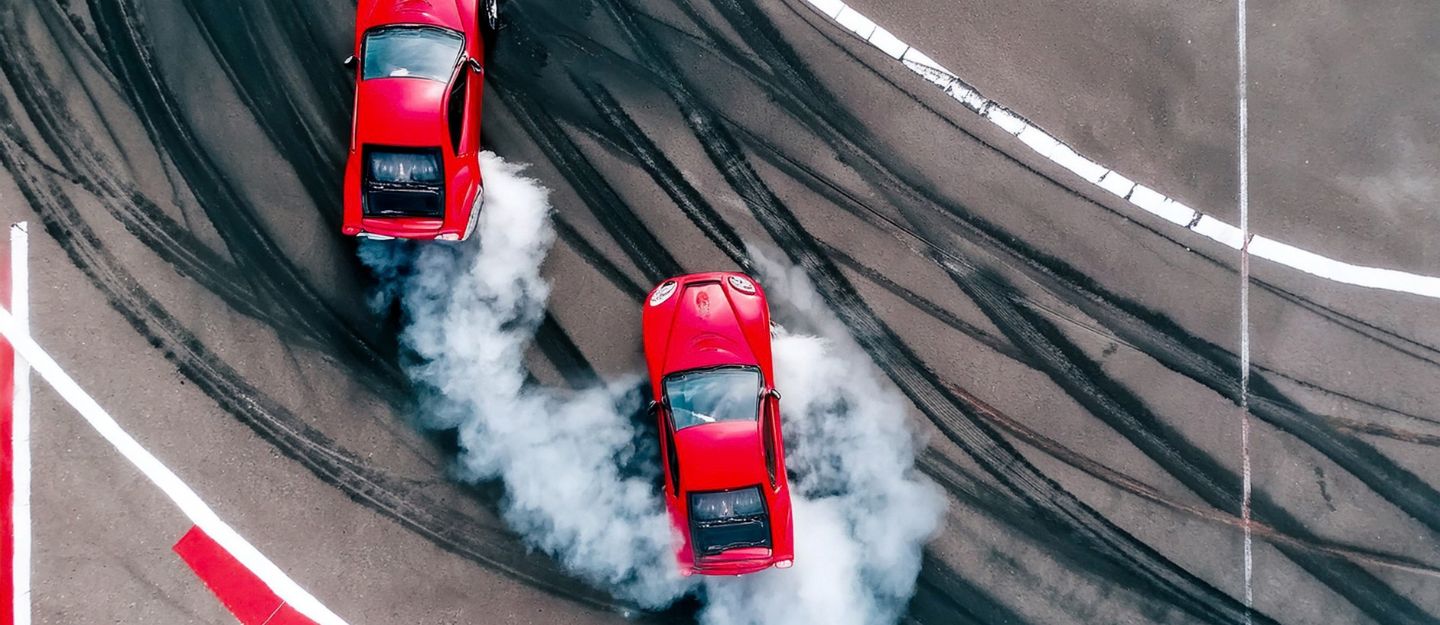
Drifting is an adrenaline-pumping motorsport where the drivers slide their cars through turns. Its popularity has soared over time due to its electrifying nature, garnering the attention of audiences worldwide. Many drivers are concerned by the strenuous demands of drifting. The stress on the vehicle may lead to severe damage, requiring expensive repairs.
Drifting has the potential to cause substantial wear on key vehicle parts. However, proper maintenance and care make it possible to enjoy the experience while minimising the damage. Now, let’s take a look at the impact of drifting on a car’s performance and different components
Common Parts Affected by Drifting
Drifting provides a thrilling experience, but it comes with its own set of drawbacks. The components of the car experience stress levels that are way higher than that of regular driving. The effects of drifting on tyres and brakes are the most significant, as these two parts play a major role in the process.
To enjoy drifting while safeguarding your car’s performance, it is crucial to understand its impact on different parts of the car. Here’s the list of components that bear the most strain:
Tyres
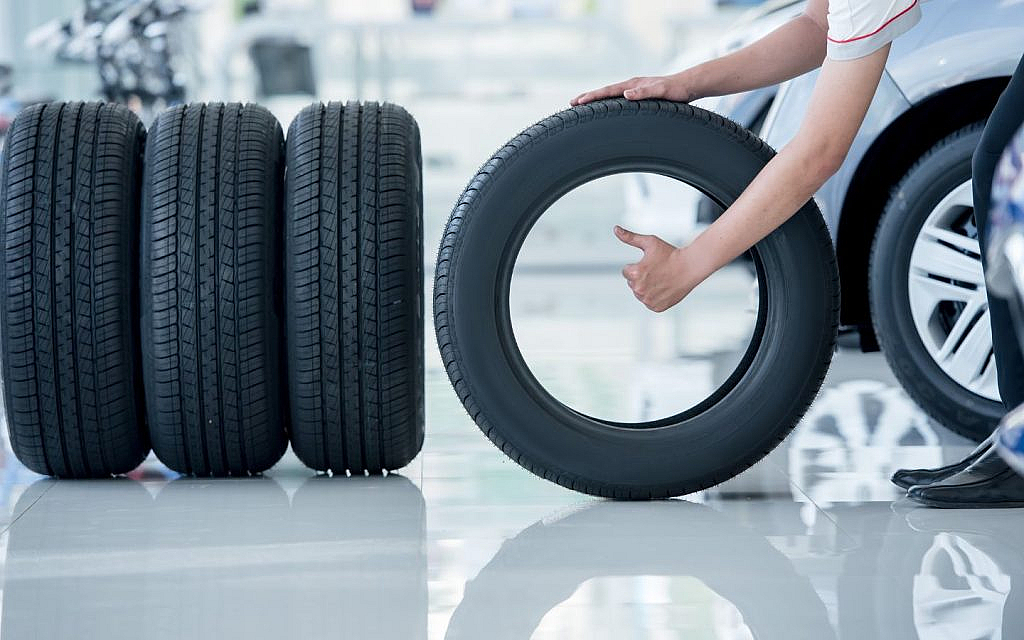
Drifting has a drastic impact on car tyres. The process of losing grip intentionally leads to quick and uneven wear and tear. This shortens the lifespan of the tyres substantially. The heat and friction generated during the sliding motion increase the risk of tyre blowouts. This usually occurs when the tyres are not designed to handle high performance or are well-maintained.

To ensure a safe drifting experience and keep your car’s health in top condition, consider the following tips:
- Opt for durable drift-specific tyres that can handle excessive friction effortlessly.
- Schedule regular tyre rotation regularly to distribute the weight equally across all four.
- Maintain correct car tyre pressure to reduce unnecessary strain.
Suspension and Steering Systems
The car suspension and steering systems undergo significant stress. The sharp turns, constant shocks and lateral pressure wear out components like ball joints, tie rods, bushings and struts. Such impact raises severe drifting and vehicle safety concerns, resulting in poor handling of the vehicle or system failure.
However, the lifespan of the steering and suspension systems can be extended by following the steps below:
- Schedule regular vehicle inspections for signs of wear and tear, such as loose or creaking components.
- Switch to aftermarket suspension kits that are specifically designed for drifting purposes. They facilitate better control and durability during high-performance driving.
- Align the car wheels after drifting to avoid uneven wear and maintain steering control.
Engine and Transmission
Drifting and engine overheating risks are closely connected. Drifting doesn’t directly harm the engine or vehicle’s transmission. The constant high-revving leads to engine overheating, while the sudden gear shifts put extra pressure on the transmission.
Here’s how you can keep both these components in optimal condition:
- Make sure the cooling system is working well to avoid engine overheating.
- To minimise friction and wear, use high-quality engine oil and transmission fluid.
- Follow a regular maintenance schedule to check for leaks in the cooling system or unusual sounds.
Braking System
One of the most important components that facilitates drifting is the car brakes. The brakes help in controlling the car slides and transitions. The continuous, abrupt braking generates significant heat, which results in brake fade and warped rotors. A functional cooling system is integral to ensure that both the brakes and engine heat level are maintained.
The following tips can help you keep your car’s braking system in prime condition:
- Opt for performance brake pads and rotors built to handle high temperatures.
- To prevent vaporisation, choose the brake fluid with a high boiling point.
- Add aftermarket cooling features like oil coolers or extra fans to manage temperature.
Exterior
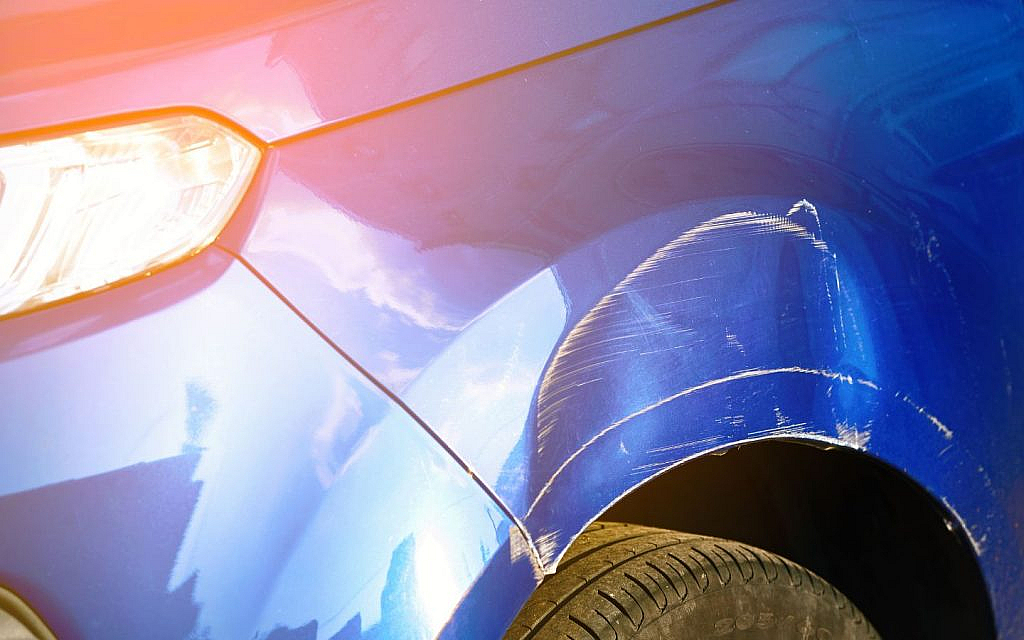
The car’s body is at a higher risk while drifting, especially while performing stunts near obstacles. Scratches, chipped paint and dents are the common outcome if the vehicle comes in contact with the obstacles during such stunts. Furthermore, the undercarriage may be damaged due to uneven ground conditions.
Protect your car’s exterior by considering the following steps:
- Install protective gear such as skid plates, reinforced bumpers or side skirts.
- Use paint protection films for scratches and chips.
- Drift in controlled conditions to reduce the chances of accidental harm.
FAQs
What are the benefits of drifting a car?
Drifting helps in mastering skills like trail braking, obstacle avoidance and weight transfer control.
Why is RWD good for drifting?
RWD vehicles are ideal for drifting because the rear tyres slide easily while the front wheels help in steering the car.
Should you accelerate while drifting?
Yes, accelerating while drifting helps maintain a longer and more controlled drift.
Understanding the effects of drifting on a car’s performance and components helps you take measures to prevent the damage. With the right care and upgrades, the risk associated with drifting can be mitigated conveniently. This motorsport has gained popularity in recent years, with legal drifting spots now available for motor enthusiasts in the UAE.
If you want to experience the thrill of drifting, it is important to switch to a car that is suited for such an intense driving style. To help you with that, here are the listings for used cars for sale in the UAE to consider as your next ride. Moreover, if you prefer a brand-new car, explore these new cars for sale in the UAE and get the best pick.
Stay safe, follow the law and keep yourself updated with UAE’s top auto blog.
Related Posts