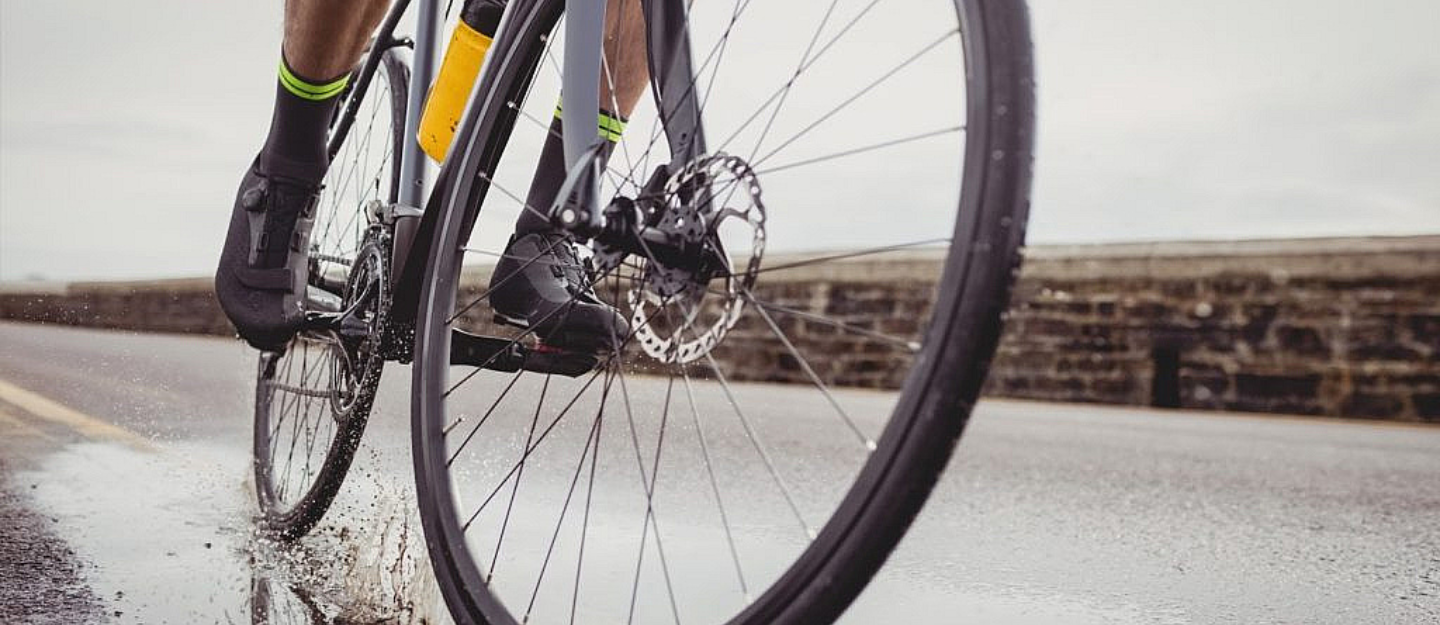
Understanding the basics of bicycle tyres is necessary to optimise your riding experience, whether you are a professional or a seasoned cyclist. The right bicycle tyres enhance performance and increase safety and comfort. With a myriad of options to choose from, choosing the perfect bicycle tyre can be overwhelming for many.
To cater to this, here we have compiled all the details regarding bicycle tyres.
Bicycle Tyres Explained
Similar to different types of car tyres, varied bicycle tyres are also present. The bicycle tyres differ from each other in terms of rolling resistance, weight and flexibility. The difference between bicycle tyres largely depends on the materials used in the tyres’ manufacturing. Despite the differences, the basic principle of bicycle tyres is the same, in all types.
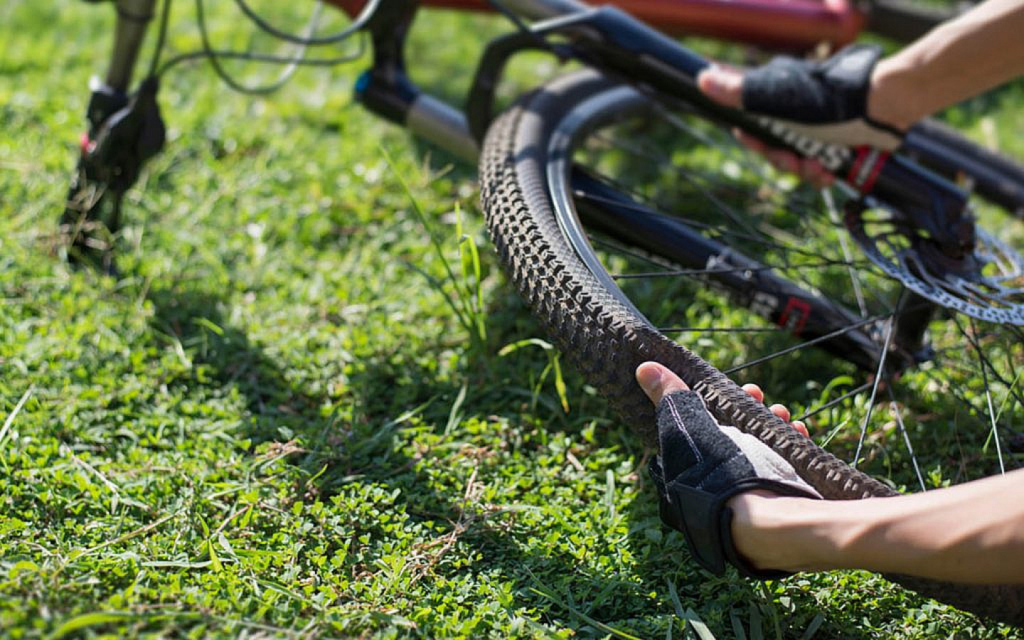
Three core elements namely, carcass, bead core and the rubber tread are used in tyre manufacturing. The bead core consists of a wire bundle which determines the diameter of a tyre. The carcass is the framework of the tyre which provides the required stability. That said, the rubber used in tyres is wrapped around the carcass.
What Difference Does Tyre Manufacturing Make?
The materials and manufacturing techniques used in bicycle tyres result in a wide variety of bicycle tyres. Each variety is engineered to cater to a certain riding condition and varies in weight, durability, and flexibility.
Here are some of the common bicycle tyre types as per the manufacturing technique and materials used.
- Clincher Tyre: The clincher tyre is a basic type, made from a wire frame. These tyres are easy to maintain, affordable and offer higher rolling resistance
- Folding Tyre: In folding tyres, wires are replaced by Kevlar strands which makes it foldable and also reduces overall weight.
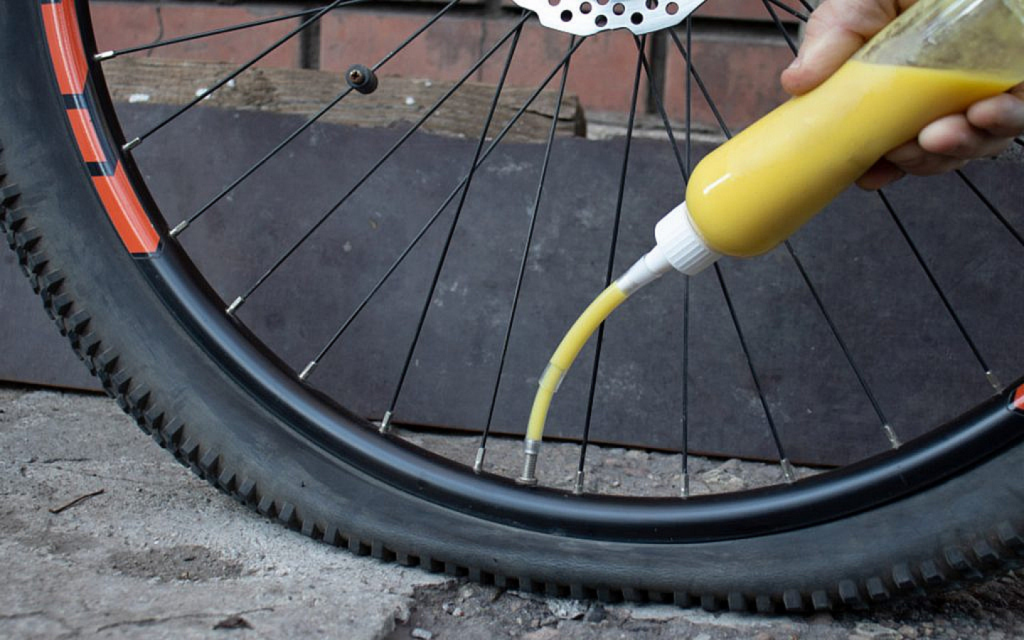
- Tubeless Tyre: The tyre and rim in tubeless tyres are made in such a way that it creates an air-tight seal excluding the need for a tube.
- Tubular: In tubular tyres, the tube is directly attached to the tyre and the tyre is then glued to the rim. This process increases tubular tyre durability and reduces the chances of running flat.
Bicycle Tyre Sizes
The bicycle tyres are differently specified on the basis of width and diameter. Each type of bicycle requires a differently sized tyre that caters to the road conditions. Here is the complete breakdown of bicycle tyre sizes.
- Road Bike: 700 cm diameter and 23 to 28 mm width is the standard size of road bikes.
- Mountain Bike: For mountain bikes, the tyre size is 73 cm in diameter and 38 mm in width.
- Hybrid Bike: The diameter of a hybrid bike tyre is 700 cm with a width of 45 mm.
- Fat Bike: The fat bikes have extra-wide tyres with a width of 100 mm and a diameter of 66 cm.
Types of Bicycle Tyres
When it comes to bicycle tyres, different types of bicycles require distinct tyres to meet road conditions and performance requirements. That said, using an appropriate tyre is necessary to ensure maximum comfort and performance of a bicycle.
Following is the list of bicycle tyre types that you can opt for.

Road Bike Tyres
‘The road tyres are designed to be used on paved surfaces or asphalt roads like Al Qudra Cycle Track. These tyres are lighter in weight and provide a smoother riding experience. The recommended pressure for road bike tyres is 80 to 120 PSI.
Commuter Bike Tyres
The commuter bike tyres are slightly wider than road bike tyres providing a balance between speed, durability and comfort. These tyres have fewer treads to reduce rolling resistance and often come with puncture protection features.
These features make commuter bike tyres ideal when pedalling on bicycle tracks in Abu Dhabi or other Emirates. The recommended pressure for commuter bike tyres is 50 to 70 PSI.
Gravel Bike Tyres
The gravel bike tyres are made for mild off-roading or for riding on an unpaved road. These tyres have pronounced knobs which provide extra traction when riding on an uneven surface. The recommended pressure for gravel bike tyres is 35 to 40 PSI.
Mountain Bike Tyres
As evident from the name, mountain bike tyres are the strongest, engineered for rough terrains such as the Shawka Bike Track. These tyres are wider than other tyres providing extra stability and traction. The tread patterns on mountain bike tyres are deep and pronounced, catering to rough road conditions. 30 to 50 PSI is the recommended pressure for mountain bike tyres.
Fat Bike Tyres
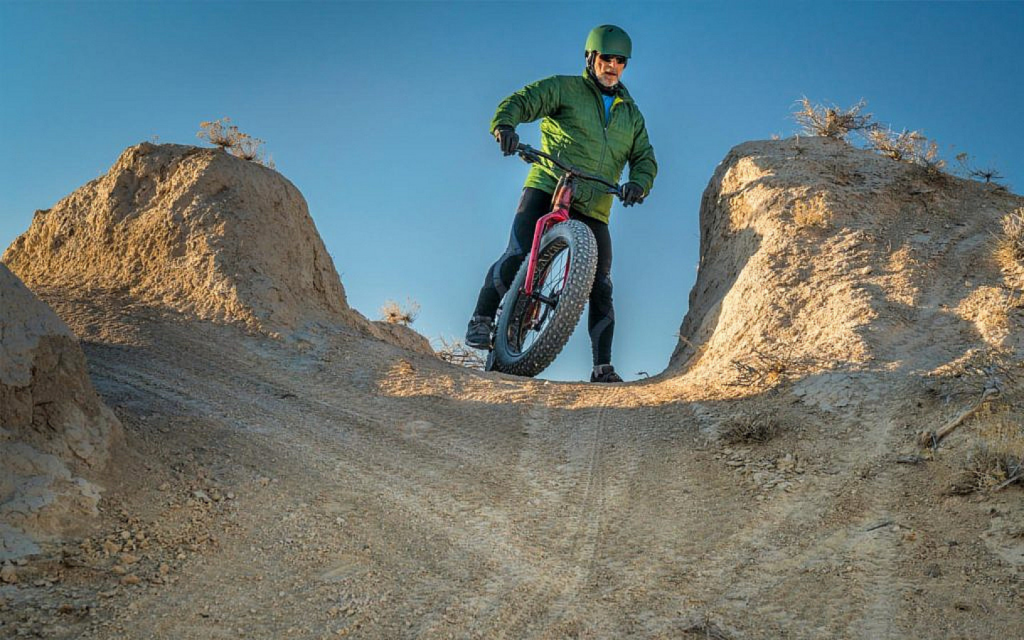
The fat bike tyres are uniquely designed with extra width making it ideal for soft and challenging terrains. These tyres are used when riding on sandy desert, loose gravel and even snow, which are inaccessible with conventional bikes and tyres.
This is one of the reasons that fat biking in Abu Dhabi necessitates a suitable bicycle equipped with fat tyres.
How to Choose Bike Tyres
Now that you are aware of the different types of bicycle tyres, let’s move towards the bike tyres buying guide. Follow these steps to make an informed decision.
Step 1: Check Tyre Size
The first step in the bicycle tyre-buying process is to check the size. The dimensions of bicycle tyres are written on the sidewall of the current tyre. Besides, you can also refer to the owners’ manual or manufacturers’ website to know the accurate size.
Step 2: Choose Tyre Type
The next step is to choose an ideal bicycle tyre type that suits your riding style and terrain. For instance, riding on paved roads requires less wide tyres that are lighter in weight. On the contrary, for mountain biking wider tyres are required with deep patterns.
Step 3: Select Tyre Tread
Similar to the tyre type, the treat type also depends on the usage. If you are cycling inside the city like on paved bicycle tracks in Sharjah, slicks or subtle grooved patterns are recommended. Whereas for off-roading, treads with small and closely positioned knobs are required.
Step 4: Match Tyre Tube and Valve
Unless you opted for a tubeless or tubular tyre, a proper tyre tube and valve is required. For tubes, check the size and make sure it aligns with your bicycle tyre size.
When buying a valve, you can choose from Presta or Schrader valve types. Match the hole on the rim with the valve type to avoid leakage.
When to Change Bicycle Tyres
The bicycle tyres show different signs of wear and tear which necessitates replacing them. Avoiding timely bicycle tyre replacement can lead to reduced performance and increased risk of running flat and safety.
For your convenience, here we have mentioned some common signs to replace bicycle tyres.
Worn Out Tread
The first sign of bicycle tyre replacement is the wearing of treads. The tread patterns provide stability and traction; therefore, riding with a worn-out tread can increase safety risk.
Frequent Punctures
Frequent punctures in the tyre can compromise its durability and performance, necessitating the tyre replacement.
Damaged Sidewalls
Cracks or cuts on the tyres’ sidewall reflect its deteriorating condition. Once the sidewall is damaged, the tube is exposed increasing chances of punctures and air leaks.
Performance Decline
Increased rolling resistance, lack of stability, bulges and blisters lead to reduced tyre performance. That said, if you witness any of these conditions, it may be time to replace the tyres.
Where to Buy Bicycle Tyres
Several options are available for buying bicycle tyres in the UAE. However, the recommended option for buying bicycle tyres is dubizzle. The leading classified platform – dubizzle, features a wide range of used bicycle parts for sale in the UAE, that you can browse through and choose as per your budget.
Besides dubizzle, buyers can also opt for bicycle shops in Sharjah and other Emirates. Moreover, bike shows and expos are also ideal options for buying bicycle tyres.
FAQs
How do you determine bicycle tyre size?
You can check the current tyre’s sidewall showing the accurate tyre size. Besides, you can also check the owner’s manual and manufacturer’s website to know the tyre size.
What does 700x35C mean on a bike tyre?
The 700x35c shows the size of the tyre, the 700 mm is the diameter and 35c is the width.
What are the different types of bicycle tyres?
Clincher, folding, tubeless and tubular are the types of bicycle tyres as per the manufacturing process. Whereas, tyre types according to the purpose can be road, commuter, gravel, mountain and fat.
This was the complete guide to bicycle tyres elaborating on tyre types and damage signs. Cycling is becoming increasingly popular in the UAE supported by proper cycle track infrastructure. Several cycling tracks ranging from paved ones to desert biking are available in the UAE. While visiting these tracks you can either rent or buy cycles for sale in the UAE.
Prior to hitting the track, it is necessary to read through the bicycle rules and laws in the UAE.
Stay tuned to dubizzle’s auto blog for more information on cycling.
Related Posts