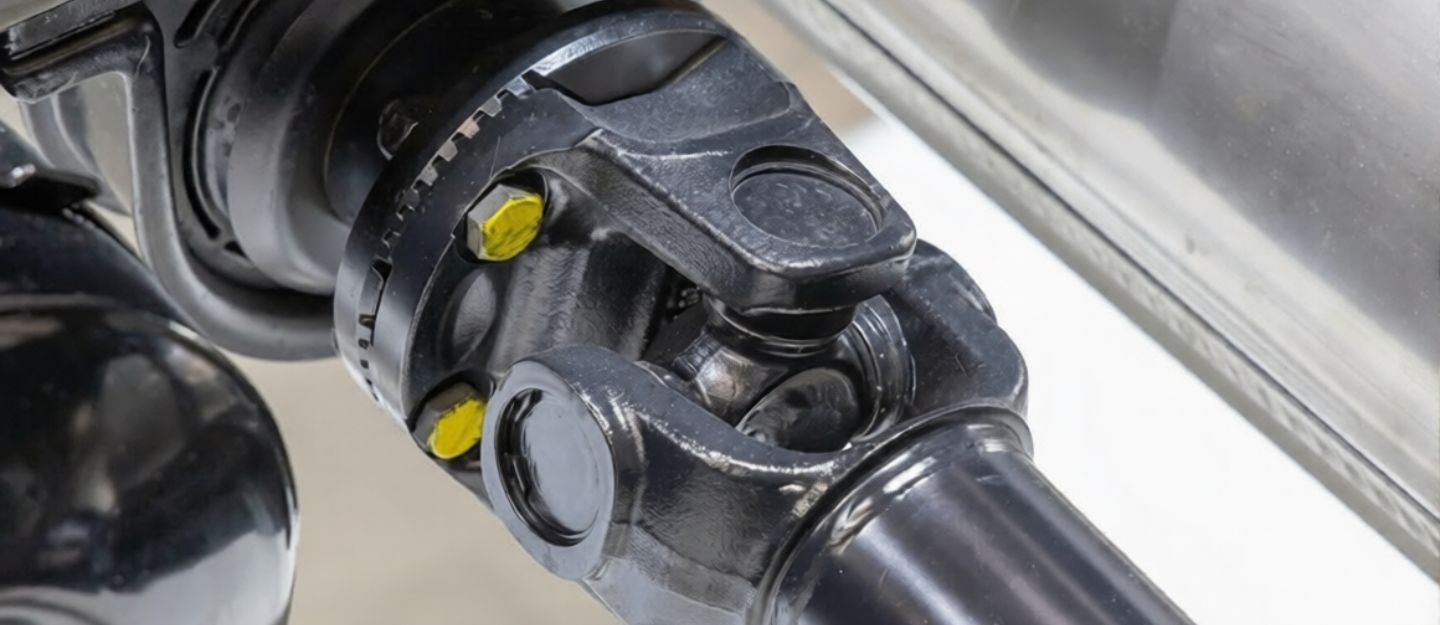
A universal joint, also known as a U-joint in cars, is a transmission component that allows movement between connected shafts while transferring power through the drivetrain. With time, the universal joint can wear, affecting the vehicle’s efficiency and performance. Understanding the symptoms of a bad universal joint can help in early detection, preventing further mechanical wear.
What Does a Bad Universal Joint Mean?
A universal joint is usually located between the transmission and differential, or where two shafts connect at an angle. Its main function is to transfer power through the drivetrain while allowing the driveshaft to move with the suspension.
A bad universal joint means the component has developed excessive wear, stiffness or binding, affecting the power transfer. This can cause vibrations, jerks and unusual movements while driving. If the issue is not addressed in time, it can cause damage to other essential components like the transmission, differential and driveshaft.
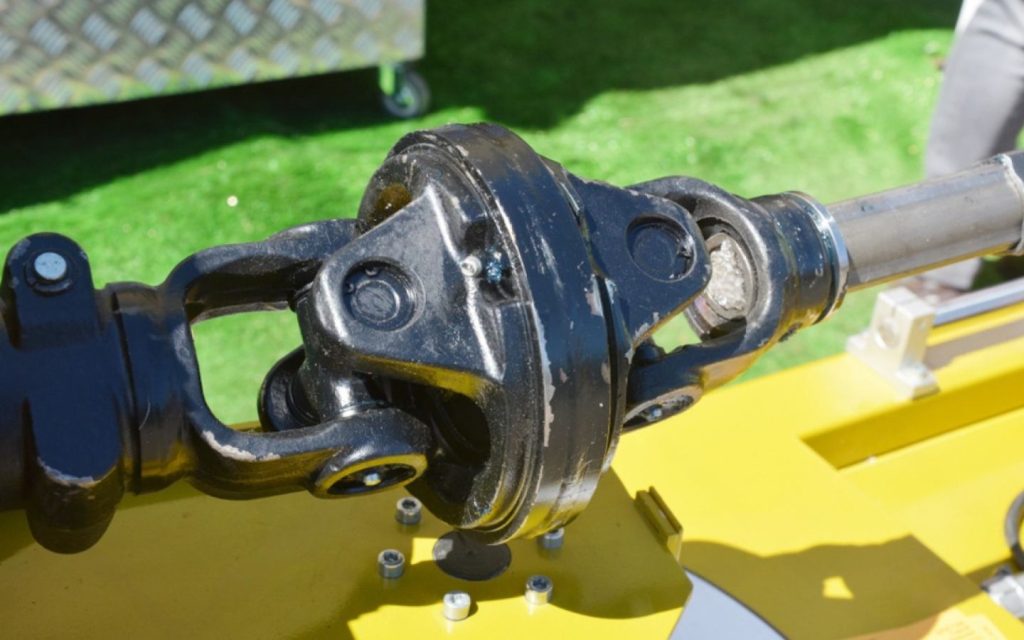
Faulty Universal Joint Symptoms
A bad universal joint can affect the smooth transfer of power to the drivetrain. The signs usually appear as vibrations, jerks and clunking, showing a faulty universal joint.

Squeaking Noise
The rhythmic squeaking sound is an early sign of a bad universal joint. It is usually caused by a lack of lubrication, dried-out seals or dust or rust build-up.
Vibration
A bad joint can cause the driveshaft to spin out of balance, sending vibrations through the seat, floor and centre console. This is usually caused by a worn needle bearing, lack of lubrication or uneven wear on the joint surface.
Clunking or Banging
A faulty universal joint can create a clunking sound when the gear is shifted from park to drive or reverse. This often happens due to loose bearing caps or a lack of lubrication.
Shaking or Jerk
A damaged universal joint can be a reason for car shaking or jerking. cause a car to shake or jerk, especially during gear changes or acceleration. This happens when the internal components of the joint are worn or damaged.
How to Diagnose a Bad Universal Joint
A bad universal joint can be diagnosed through a road test followed by an underbody car inspection.
- Road Test: Drive the car at different speeds and observe for the common symptoms such as vibration, jerking or squeaking sound. These symptoms can become more noticeable during acceleration and gear change.
- Underbody Inspection: Park the vehicle on level ground and inspect the universal joint and driveshaft for visible damage, rust or dust built up or loose components.
After these checks, it is advised to visit a repair shop and seek assistance from a professional for U-joint maintenance and repair. Aside from authorised dealers, buyers can also use dubizzle’s car inspection service to have the U-joint checked.
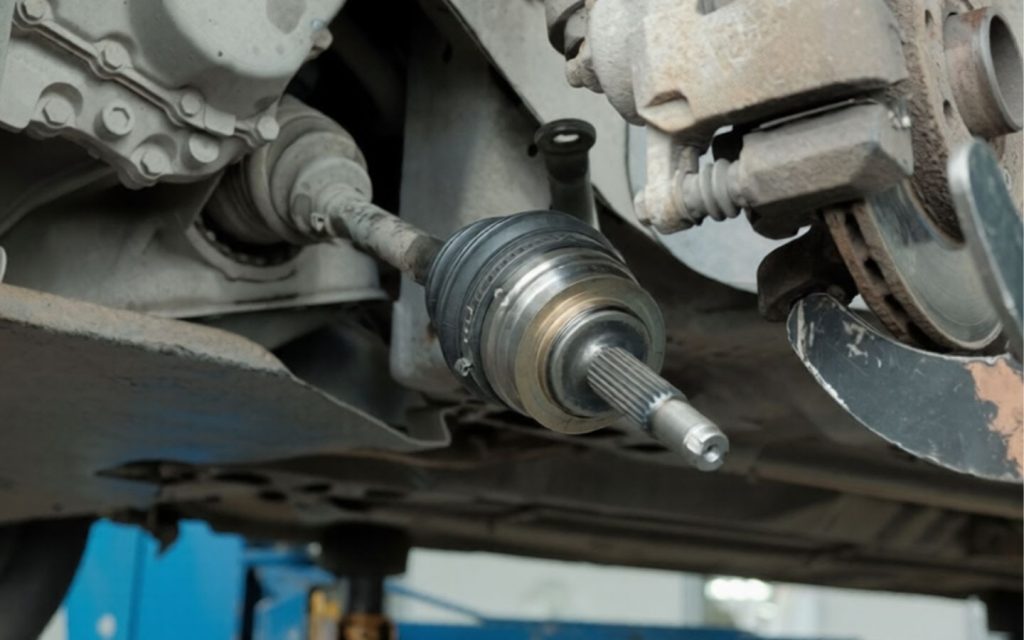
Universal Joint Replacement Cost
The cost of replacing a bad universal joint can range anywhere between AED 400 and AED 1,000 per joint. The cost includes universal joint and labour charges. The final cost depends on multiple factors like vehicle type, number of joints and quality of the replaced part. Besides authorised spare parts shops, car owners can also browse through used spare parts for sale on dubizzle to find a suitable u-joint within budget.
FAQs
Can I drive with a bad universal joint?
Driving with a bad universal joint is not recommended, as it can worsen vibrations and damage the driveshaft, differential or transmission. In severe cases, the driveshaft may detach, affecting vehicle control.
Can I replace a bad U-joint myself?
Replacing a u-joint at home is not recommended, as it needs in-depth understanding of the auto parts and a professional-level skill set.
How do I know if my universal joint is damaged?
A damaged universal joint usually shows signs such as vibration while driving, clunking when shifting gears, squeaking at low speeds or jerking during acceleration. A physical inspection or road test can also help in diagnosing a bad universal joint.
What causes a universal joint to go bad?
A universal joint can go bad due to lack of lubrication, worn needle bearings, damaged seals, rust, dust build-up or regular exposure to rough driving conditions.
This is all about a bad universal joint, its symptoms and how to diagnose it. Ignoring the early signs of a bad universal joint can lead to major mechanical failures involving the driveshaft, differential and transmission. For this reason, checking a u-joint should be a part of the inspection when buying used cars for sale in the UAE.
Stay connected to dubizzle’s auto blog for more car maintenance and repair tips.
Related Posts