A car engine can be affected in several ways. Among them, the most damaging is hydrolocking. It occurs when water or other fluids enter the car engine, seizing its performance. Moreover, the large amount of fluid in the hydrolocked engine hinders the pistons’ movement, entering the intake filter.
Here is a detailed overview of a hydrolocked engine. We have listed the symptoms of a hydrolocked engine, its causes and fixes.
What is a Hydrolocked Engine?
A hydrolocked engine is one of the effects of water on a car’s engine. It occurs when a significant amount of water enters the cylinders of an internal combustion engine, preventing the pistons’ movement.
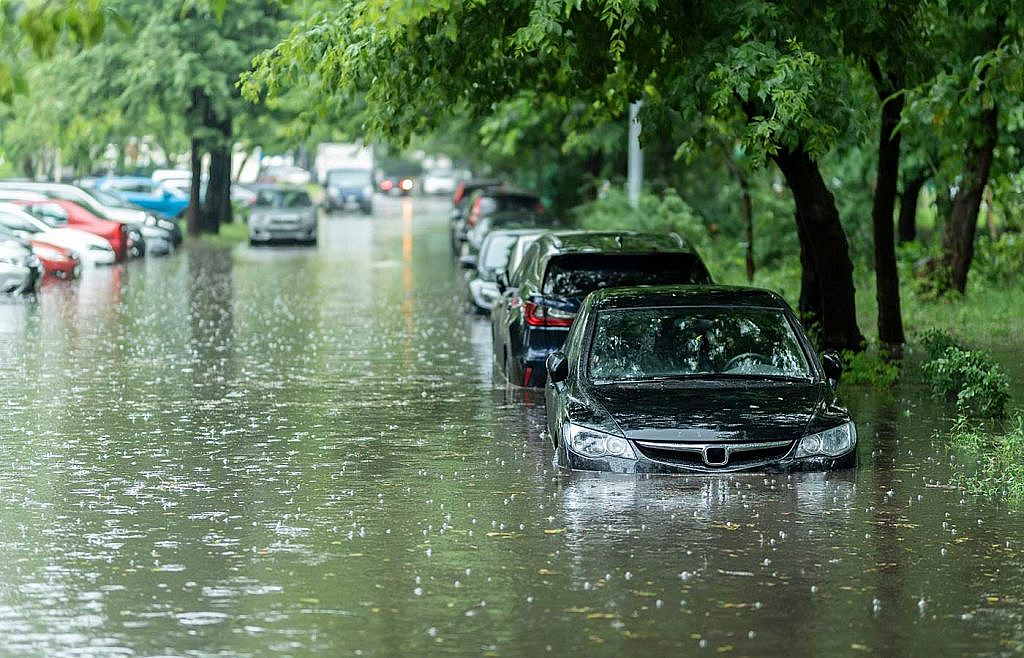
This happens when a vehicle’s air intake sucks in water instead of air. It often occurs when driving through flooded areas or deep water. Moreover, the water blocks the normal combustion process, causing severe damage to the car engine components.
Symptoms of a Hydrolocked Engine
When a car engine gets hydrolocked, it exhibits poor engine performance and affects other engine components. In addition, here are the common symptoms of a hydrolocked engine.
Engine Stalling
A car engine may get stalled by the sudden cessation of engine operation while driving or idling. The disruption of the combustion process leads to a loss of power and causes the engine to stall.

Knocking or Hammering Noises
A knocking or hammering sound is among the car noises that you should not neglect. These noises are also a sign of a hydrolocked engine. This sound is a result of the pistons encountering resistance as they try to compress the water trapped in the combustion chamber.

Fluid Leaks
Fluid leaks can also be one of the symptoms of a hydrolocked engine. When water enters the combustion chambers, it can cause mechanical damage to different parts such as a cylinder head. As a result, coolant or oil leaks from the engine, visible as puddles or drips beneath the vehicle.
Smoke From Exhaust
When a hydrolocked engine is started, the water mixes with the air-fuel mixture and is burned incompletely. This incomplete combustion causes white smoke from the exhaust.
Causes of a Hydrolocked Car Engine
An engine can get hydrolocked when a car is driven over deep puddles or severe rainstorms. Here are the common causes of this severe engine problem.
Driving through deep water
Driving through deep water is one of the primary causes of a hydrolocked engine. When a vehicle’s air intake system submerges in deep water, the water draws into the engine cylinders instead of air.
Once water enters the combustion chambers of the flooded vehicle, it disrupts the normal piston movement and combustion process. As a result, the engine seizes.

Blown Head Gasket or Cracked Cylinder Head
A blown head gasket contributes to hydrolock, although it’s not as direct a cause as water ingestion through the intake system. When a head gasket fails, it creates pathways for coolant to leak into the combustion chamber.
After enough coolant enters the cylinder, it mixes with the air-fuel mixture. This process disrupts combustion and causes hydrolock. A hydrolocked engine is also caused by a cracked cylinder head where the cylinders stop moving due to excessive water or fluid.
Damage Caused by A Hydrolocked Engine
If a hydrolocked car engine is left unattended for a long time, it can cause damage to other car parts. This damage significantly affects the vehicle’s overall performance, compromising road safety.
Additionally, hydrolocking can damage the following components:
- Pistons
- Connecting rods
- Engine block
- Cylinder head
- Valves
- Camshafts
- Crankshaft
- Ignition system
- Sensors
- Wiring harnesses
How to Fix a Hydrolocked Engine
Fixing a hydrolocked engine is a complex process. It is best handled by a professional mechanic due to the risk of causing further damage.
Here’s a simplified overview of the fixing process.
- Water Drainage: First, the mechanic removes the spark plugs and cranks the engine without starting it to expel water from the cylinders. The car battery is disconnected first for safety.
- Component Inspection: The spark plugs and cylinders are examined for damage. They are also dried with compressed air or absorbent clothes.
- Filter and Oil Change: Water contamination can ruin engine oil, so the oil is changed and the filter is replaced.
- Reassembling: Once everything gets dry and inspected, the spark plugs are reinstalled and the battery is restarted. After that, the mechanic restarts the engine.
Moreover, fixing a hydrolocked engine is quite expensive. In the UAE, it costs around AED 11,000 to AED 37,000, depending on the severity and engine damage.
FAQs
What causes a hydrolocked engine?
Hydrolocking occurs when water enters the engine’s combustion chambers, often due to driving through deep water or flooding.
Can you turn over a hydrolocked engine?
Turning over a hydrolocked engine can cause further damage to internal components, such as bending connecting rods or damaging pistons. In such cases, seek professional assistance to address the issue properly.
Can a hydrolocked engine be fixed?
Yes, a hydrolocked engine can be fixed, but it depends on the damage extent. It may also require component replacement or engine rebuilding.
With that, we wrap up the details of a hydrolocked engine. Such severe issues are also one of the main reasons to avoid buying flood-damaged vehicles. What’s more, hydrolocking significantly affects a car’s running and damages other parts.
If your car is showing signs of engine damage or breaking down frequently, it is time for a switch. For that, you can browse these used cars for sale in the UAE that offer a myriad of choices for your next ride.
Stay connected with dubizzle’s autos blog to learn more about various car problems, their causes and symptoms.
Related Posts